User-first start
If you manage a mall, office tower, or mixed-use estate, think about the driver first: they want fast entry, a clear spot, and no circling. A simple indicator at the entrance or a car parking display inside can cut confusion instantly. Most users judge a system by how quickly it tells them where to go, so design choices should make things obvious at a glance.
Proven signals and credibility
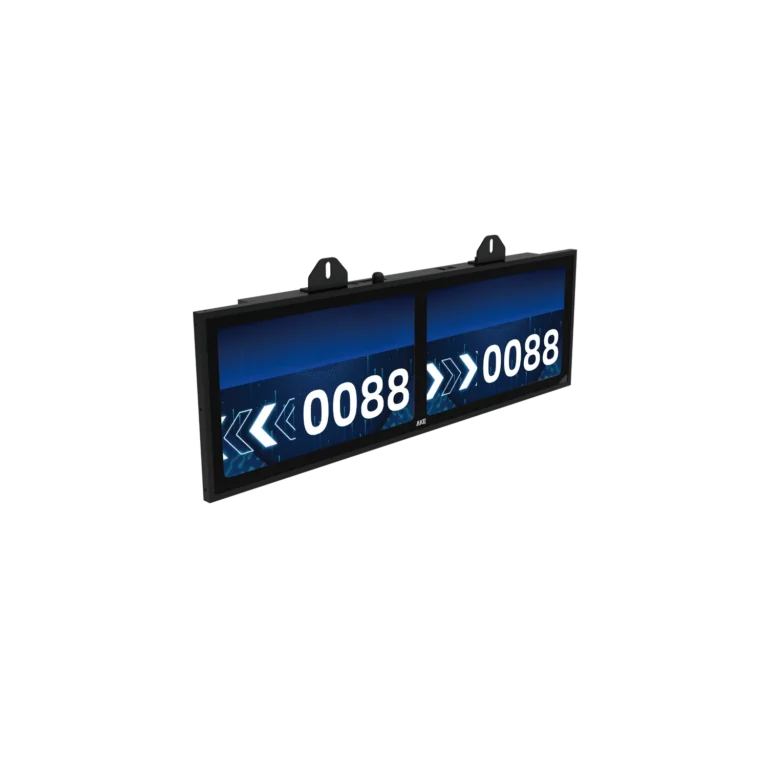
Operators need real evidence that guidance hardware works under load. At the 2019 ITS World Congress in Singapore, industry vendors demonstrated how displays and sensor networks reduce search time, and that kind of field validation matters when you pick components. Engineers and facility managers I’ve worked with value demonstration projects and published pilots more than marketing claims; when evaluation criteria include uptime, latency, and maintainability, the display and sensor set often decide success. For anyone specifying hardware, a reliable parking guidance display is central to turning sensor data into clear driver decisions.

Practical steps for operators
Start with a simple map of user flow: entry, payment, and exit. Place detection sensors where they intercept those flows, and mount displays where drivers can see them without braking. Use clear colours and short text — a green arrow and “A2: 12 spots” works better than long sentences. Test during peak hours, then tweak thresholds for occupancy updates. Keep software simple at first: accurate occupancy and timely updates beat fancy analytics that nobody reads.
Common mistakes to avoid
Don’t overreach with too many features on day one. Avoid relying only on one sensor type — single-point failures are common when you skimp on redundancy. Don’t hide displays behind signage or place them where headlights blind the panel at night. And don’t assume users will read complex directions: keep messages short and consistent across entry signs, in-lane markers, and your mobile or web interfaces.
When alternatives make sense
Camera-based counting is great for large, covered lots but needs good calibration and occasional re-training. Ultrasonic or magnetic sensors perform well in tight, sheltered garages. If you run multiple lots, a centralized management system that aggregates counts is useful; for a single small garage, a standalone controller and well-placed displays can be cheaper and faster to deploy. Choose technology based on operating conditions rather than vendor pitch.
Bottom line
Make choices that reduce driver uncertainty and simplify operations. Start with a clear specification, validate with a small pilot, avoid single points of failure, and pick displays and sensors that match your environment. Practical deployments show measurable reductions in search time and better throughput when guidance is visible and reliable; that practical value is exactly what AKE Parking aims to deliver through matching hardware and deployment know-how.