
Problem-driven opening: why hospital ventilator strategy must change now
Hospitals found themselves exposed during the 2020 COVID-19 surge — shortages of reliable medical ventilator systems left wards improvising and clinicians triaging by capacity rather than patient need. The lesson was clear: procurement must move from ad hoc buying to systems thinking that pairs device capability with clinical workflow, maintenance and staff training. This is not about buying more boxes; it is about choosing ventilators that match local case mix, nurse availability and oxygen infrastructure.

Clinical consequences and practical priorities
When a unit lacks the right ventilator, the clinical consequences are immediate — longer intubation times, trouble maintaining target tidal volume or PEEP, and increased staff workload. These are tangible harms that affect patient outcomes and costs. Hospitals should prioritise devices that offer simple user interfaces, familiar ventilation modes, and robust alarms. Equipment must tolerate fluctuating FiO2 supply and keep running during routine power hiccups. The aim is dependable respiratory support that teams can trust under pressure.
What to demand from a ventilator system
Procurement teams should look beyond price. Key features worth insisting on include:- Clear ventilation modes (volume control, pressure support) and easy switching.- Precise tidal volume and PEEP control with visible metrics for clinicians.- Local technical support, quick spare-part supply and remote diagnostic capability.These specifications make a system resilient in real-world wards — especially in district hospitals where biomedical engineering resources are limited.
Common mistakes in selection and deployment
Facilities often pick devices by headline specs or vendor pitch, then struggle with hidden costs like consumables, recurrent calibration or firmware training. Another trap is buying high-end ICU ventilators for step-down wards — over-complex for staff and unnecessarily expensive. Conversely, simple transport ventilators used as long-term ventilators cause alarm fatigue and clinical risk. Train first, buy second — and standardise on platforms to reduce confusion during handovers.
Alternatives and where non-invasive options fit
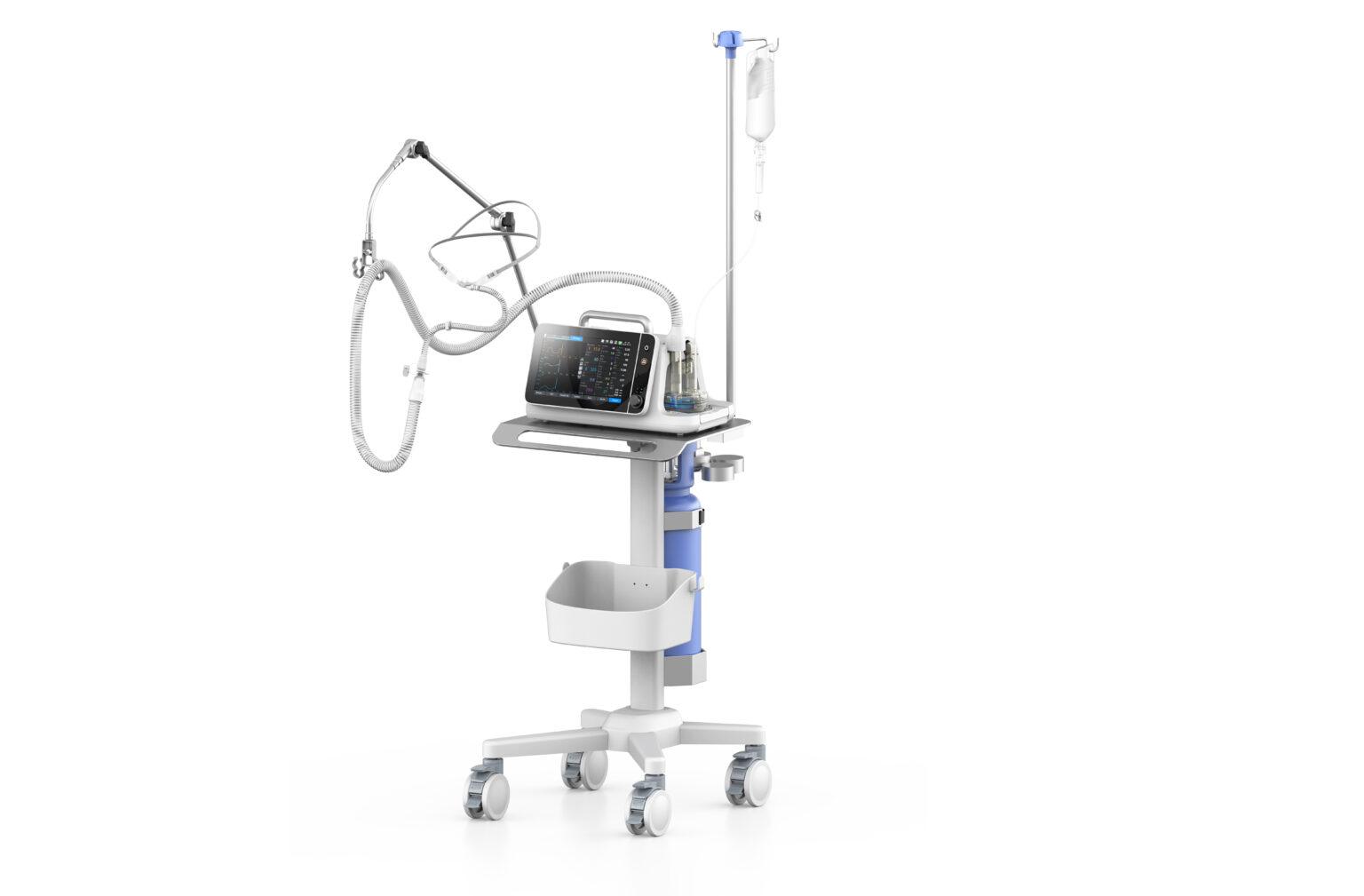
Non-invasive ventilation and CPAP remain vital alternatives for early respiratory failure and sleep-related breathing disorders. Where appropriate, high-flow nasal oxygen or a well-chosen best cpap machine can prevent intubation and free ventilator capacity. Yet these require protocols: patient selection, monitoring frequency and clear escalation triggers. Failures usually come from poor monitoring rather than device capability — a staffing and workflow problem, not just technology.
Real-world anchor: lessons from Colombo and beyond
During the global pandemic response and in settings such as Colombo National Hospital, teams reported that modular systems that were easy to service locally made the difference between keeping beds open and creating bottlenecks. International reports since 2020 show the same pattern: local servicing, consumable availability and staff familiarity reduce downtime and mortality. These are straightforward, measurable improvements — not abstract benefits.
Evaluation metrics — three golden rules for buyers
Use three simple metrics when assessing options:1. Clinical fit: Does the ventilator support required modes and parameters (tidal volume, PEEP, FiO2) for your typical patients?2. Operability: Can nurses and doctors operate it reliably after a short training session? Is the UI local-language friendly?3. Supportability: Are spare parts, consumables and technical service available within the region within 72 hours?Score vendors against these rules and you’ll avoid the common pitfalls that lead to equipment sitting idle.
Closing advisory and final thought
Decisions about ventilators are clinical, logistical and human. Choose devices that reduce cognitive load at the bedside, that local teams can maintain, and that integrate into existing oxygen and power systems — these yield measurable improvements in uptime and patient safety. For hospitals seeking a balanced solution grounded in deployment experience, consider platforms that combine clinical features with local service networks — evidence from recent hospital responses supports this approach. Byond. —