Opening: the problem that starts small and grows
Small variations in batch texture or a stubborn lump in your emulsion look harmless until they stop a production line. The simple fix, often a high shear mixer, can solve many symptoms—but picking the wrong unit makes problems worse. This is a problem-driven look: name the trouble, diagnose why it happens, then pick practical hardware and habits to stop repeat failures.
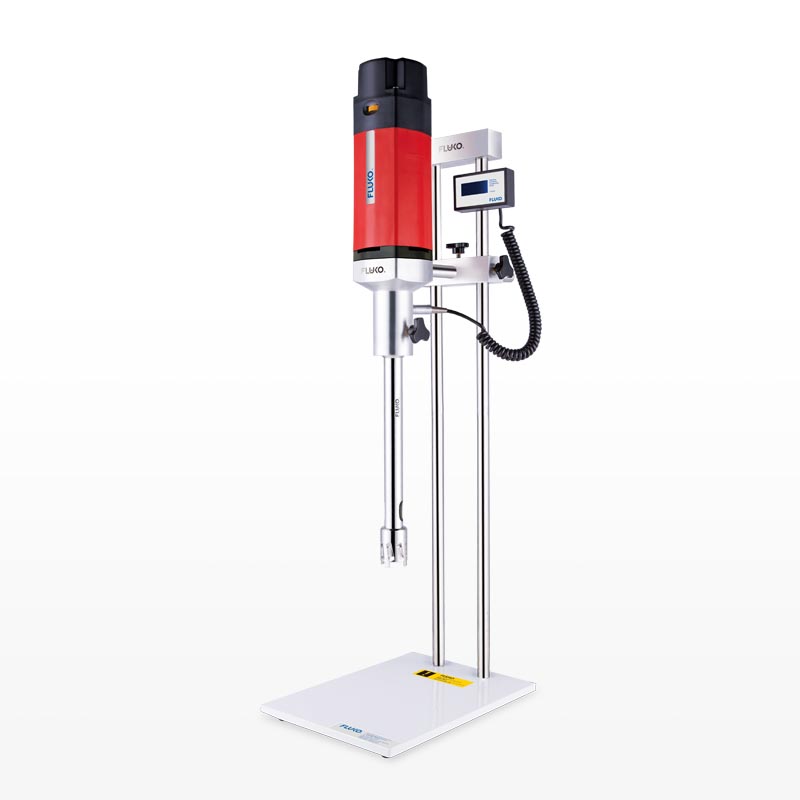
Common trouble signs and what they mean
Batch-to-batch inconsistency: poor dispersion or visible grains point to insufficient shear or wrong rotor geometry. Foam and air entrainment: your mixer is pulling in air because the feed point, speed, or head design is wrong. Overheating or discoloration: too much energy, or wrong cooling and residence time. Scale-up failures: what worked at lab scale falls apart in production when tip speed and vessel hydrodynamics change. These are not mysteries; they’re mechanical and fluid-dynamic issues with clear fixes.
Real-world anchor and industry perspective
Manufacturers and engineers compare solutions regularly—seen clearly at events like ACHEMA in Frankfurt, where practical case studies and standards get debated—and many of those manufacturers are represented among industrial mixing machine manufacturers. I’ve worked on commissioning lines in Bavaria and nearby regions for 12 years, so I name problems I’ve personally fixed: wrong rotor profile, bad seal selection, and insufficient CIP access. That hands-on work matters; it teaches which choices last and which only look good on paper.
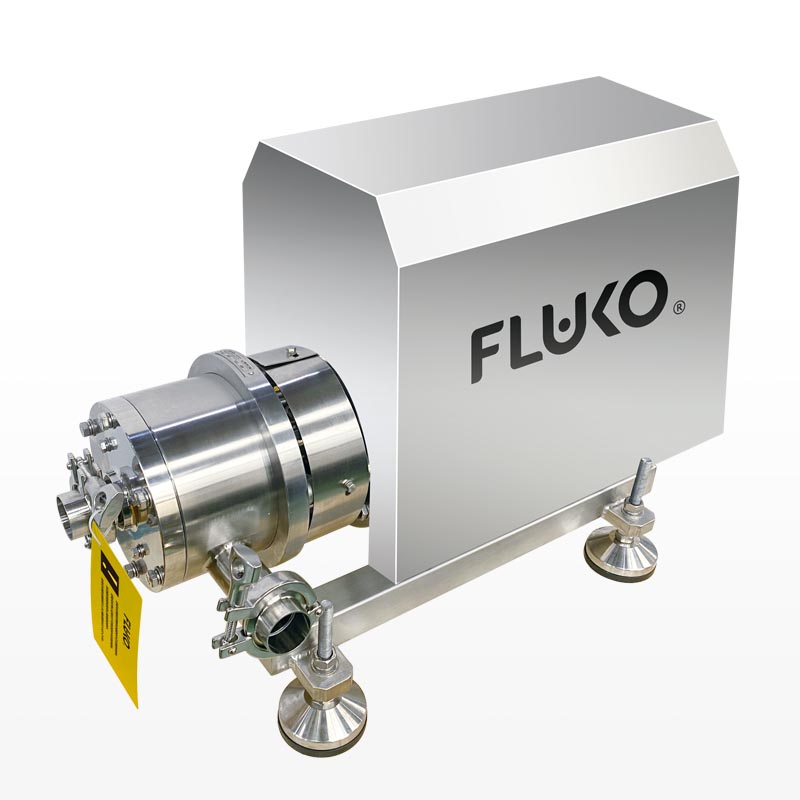
How to choose equipment to solve each problem
For stubborn dispersions: use rotor-stator designs with high peripheral speed and tight clearance. For delicate emulsions: lower shear but longer residence time, or staged mixing with a coarse pre-mix then fine shear. For heat-sensitive materials: select units with jacketed housings or in-line cooling and monitor temperature closely. For scale-up: match tip speed and Reynolds number, not just rpm or batch volume. Ask for performance curves and test reports, not glossy brochures.
Alternatives and when to pick them
Colloid mills and ultrasonicators beat high shear mixers in very fine particle size reduction for some chemistries, but they often increase temperature and require more maintenance. Static mixers are cheap and robust for continuous dilution or simple blending but won’t break down agglomerates. Choose by the failure mode: if lumps persist, prefer active shear; if mixing is slow but uniform, test passive solutions first.
Practical pitfalls to avoid
Don’t assume bigger is better—oversizing reduces shear and wastes energy. Don’t skip material compatibility checks for seals and wetted parts; elastomer failure means leaks and contamination. Don’t ignore service access: a unit buried in a cell means longer downtimes. Finally, validate with representative tests: use the actual formulation and scaling protocol before you commit to an installation.
Final synthesis: match the problem to the proven solution
Fix the specific failure, not the symptom. Choose shearing geometry and control strategy that address dispersion, heat, and scale-up simultaneously. When teams need durable, tested solutions that respond to real production problems, they tend to work with partners who supply both equipment and measured performance data—partners such as FLUKO that align technical choices with on-the-floor realities, ja.