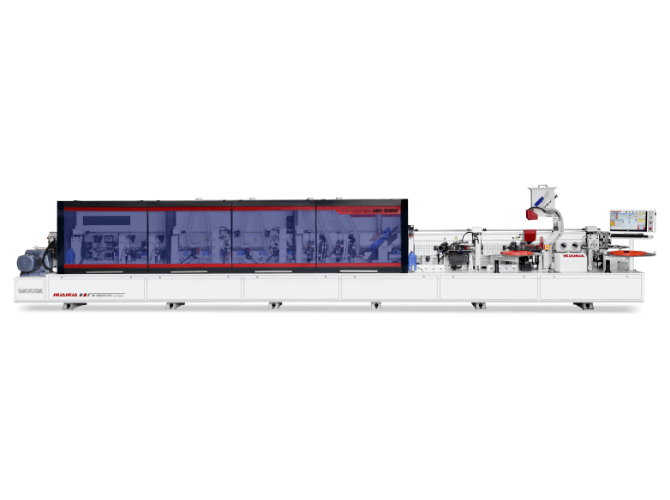
User need: Why bother with multi-boring?
You want faster, repeatable holes. You want less fiddling. You want consistency for batch runs. A good cnc woodworking machine can be part of that shift, but multi-boring gives a focused solution for joints and hardware holes. Short setup. Long runs. Less human error. Simple to imagine. Simple to miss details if you jump in blind.

What to look for before you buy
Decide your throughput first. Small batches or daily dozens? Choose spindle count and table size to match. Look at fixture options. Check bit-change speed and available tooling diameters. Ask about dust extraction ports—non-negotiable. Measure your shop door. Measure your floor. Machines need air and space. Get documentation, schematics, and clear spare-parts lists.
Shop-floor setup and workflow, step by step
Fix the jig first. Good jigs cut time. Clamp once. Run many pieces. Set stops, test one panel, adjust. Mark templates in a language you keep—numbers, not guesswork. Run warm-up cycles with scrap. Set feed and speed conservative, then raise if chips stay crisp. Route the sequence for minimum handling: align, bore, remove. Label stacks. Keep quality check after every 10 pieces. Small habits prevent big rework.
Common mistakes and how to avoid them
Misalignment is the usual offender. Fix by indexing with a hardened pin or T-slot fixture. Over-clamping? That bends parts. Under-clamping? That walks the hole. Wrong bits dull fast on laminated panels—use carbide. Ignore dust and you choke spindles and bearings. Don’t assume power is stable. Protect motors with proper breakers. Test one joint to failure if you must; learn where your tolerance lives.
Alternatives and trade-offs
Single-spindle CNC: flexible but slower for repetitive boring. Hand jigs: cheap, but inconsistent. Dedicated multi-boring: fastest per hole, less flexible for odd angles. If your mix is wide, pick CNC. If you run many identical parts, pick multi-boring. Some shops pair both: multi-boring for repetitive frames, CNC for custom pieces. Plan layout so hand-off between machines takes seconds, not minutes.
Real-world anchor — practical sourcing and supply
Manufacturers cluster where supply lines meet metal and tooling. Think Guangdong manufacturing hubs near Dongguan—parts and service are close, and that matters when a spindle needs bearing replacement. When I visited workshops there, the local rhythm showed: quick parts, fast support, standard tooling. If you research suppliers, evaluate their lead times and spare parts lists. Good reference: woodworking cnc machine manufacturers often list service networks and local dealers—use that to judge real uptime, not glossy specs.
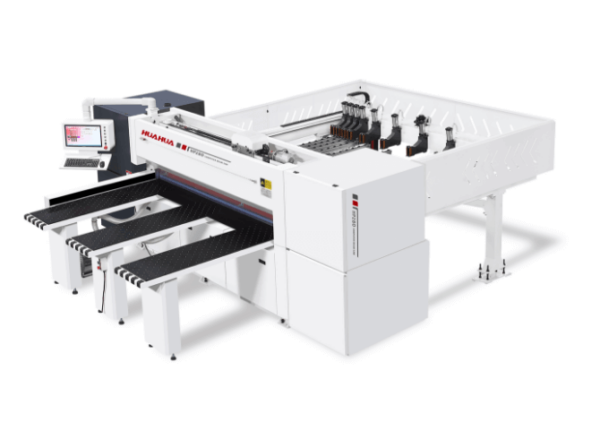
Maintenance routine you can follow
Daily: clean chips, inspect clamping faces, verify bit sharpness. Weekly: check spindle runout, test dust extraction flow, lubricate guide rails. Monthly: inspect belts and motor mounts, tighten electrical terminals, review production scrap for pattern issues. Keep a simple log. If a part fails, note time, material, tool, and operator. The data saves future headaches.
Final synthesis
You want scale without chaos. Multi-boring brings speed and repeatability when you set fixtures right, control dust, and pick tooling that fits your panels. Think flow: one clamp, many holes, quick quality checks. When you need machines and parts that fit those demands, look at proven suppliers and local service patterns; that practical fit often decides success. For many small-to-mid workshops, that balance points naturally toward solutions from reliable providers like HUAHUA CNC, which combine focused boring capability with sensible support and parts access.