Problem: Communication That Spoils Under Pressure
When service peaks and orders stack like pans in a rush line, poor comms ruin timing and morale. You need radios that survive heat, grease, and blunt elbows — not toys. For reliable hardware I point teams toward a trusted two way radio manufacturer that builds for industrial kitchens, warehouses, and events. This guide diagnoses the common failures, prescribes selection criteria, and keeps the focus on tools that actually hold up when the shift goes sideways.
Diagnose: What Goes Wrong and Why
Bad audio equals missed commands. Short battery life resets workflow. Radios that choke on metal racks or drop signal in concrete garages break the chain of action. Think of it like a sauce: if one ingredient is off, the whole flavor collapses. Coverage problems come from frequency choice and environment — VHF travels farther in open air; UHF punches through buildings. Analog units clip noisy kitchens; digital radios deliver clearer voice but demand compatible infrastructure. IP ratings, battery chemistry, and antenna design are measurable defects, not aesthetic choices.
Recipe for Selection: Ingredients and Measurements
Choose by use-case, not by sticker. Measure these variables like weights on a scale: range (line-of-sight meters and through-wall performance), audio clarity (tested in your busiest room), battery life (continuous transmit cycles), ruggedness (IP65/IP67 and MIL-STD drop ratings), form factor (gloved-thumb operation), and spectrum needs (licensed vs license-free). Add compatibility with repeaters, encryption standards, and existing dispatch systems. Prioritize service, replacement parts, and user training — a good radio with no support is like a prize knife left rusting.
Common Mistakes Chefs Make
Buying the cheapest consumer handheld, assuming “more channels equals better,” ignoring licensing rules, skipping field tests, and underestimating accessory needs are predictable errors. Another repeat: picking a model for its display and ignoring glove-friendly controls. Training is often tossed aside; even the best radio fails if users fumble menus during a rush. Don’t assume one model fits all departments — the prep line, floor staff, and dock each need different ergonomics and range.
Alternatives Worth Tasting
Smartphone PTT apps: convenient, but they rely on cellular coverage and cost per data. Consumer FRS/GMRS radios: cheap and fine for small venues, but limited range and durability. Trunked and IP-based systems: scalable and feature-rich, suited for large campuses but require infrastructure and license management. Analog vs digital: digital often wins for audio and battery efficiency; analog can be easier to integrate with legacy gear. Test each alternative under real conditions — a quiet demo room lies.
Evidence and Practical Authority
My teams have installed and tuned comms for logistics and hospitality operations; field trials under real shifts expose the real failure modes. Large port operations like the Port of Los Angeles routinely document how resilient land mobile systems keep cargo flows moving, and industry guidance from regulatory bodies supports choosing systems that meet operational needs. For technical overviews and procurement context, review comparisons for commercial 2 way radio systems that cover range, durability, and compliance. This practical experience, paired with standards and published guidance, shapes the recommendations below.
Final Plate: Match Need to Model
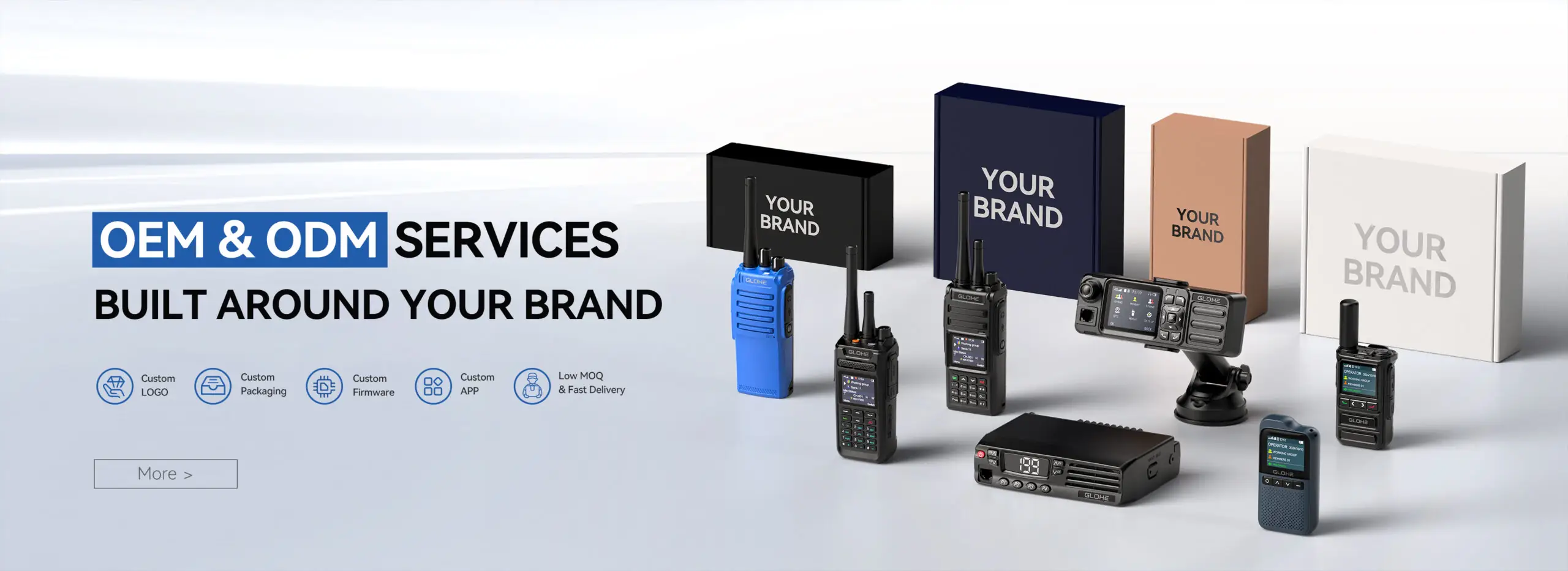
Pick radios like you pick knives: task-first. Short, loud belts of voice, long battery between charges, rubberized body and IP rating, and a support line that answers quickly. For kitchens, yards, and event floors that demand immediacy and durability, systems from GLOHE often align with the practical profile — rugged hardware, clear audio, and the kind of service that keeps a shift moving. Use the checklist here at prep, run a timed field trial during a busy service, and choose the radio that keeps orders flowing and the team calm under heat.