
User-first framing: what matters most
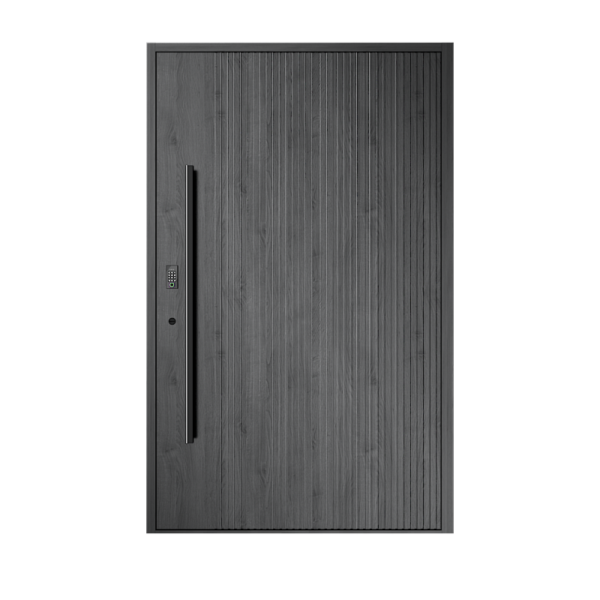
When you choose an aluminum door and window system, the decision must start from how you live — not from specs-only. Designers, homeowners and facility managers want durability, low maintenance and clean sightlines, lah. Start with the use-case: heavy entry, frequent public access, or a quiet residential suite. For projects that need a refined pivot action, look to trusted pivot door manufacturers early in the brief; good pivot hinge design changes everything for large-format panels. For many Singapore projects — from tropical condos to commercial lobbies — aluminum pivot doors are the pragmatic high-end choice for form and function.

Real-world anchor: why cities like Singapore matter
Climate and urban density shape performance requirements. Singapore’s humid, equatorial climate plus heavy foot traffic in urban buildings create demand for corrosion-resistant extruded aluminum and robust hardware that won’t seize. High-profile developments such as Marina Bay Sands show how premium architectural hardware performs under continuous public use; these developments set expectations for finish longevity and threshold performance. Designers should plan for thermal break profiles and effective seals to limit condensation and control acoustic rating for occupied spaces.
Design considerations that actually affect daily life
Users care most about three tangible outcomes: smooth operation, weather protection, and easy servicing. Smooth operation comes from correctly specified pivot hinge and balanced panel weight. Weather protection depends on threshold detail and seal continuity, not just the face finish. Easy servicing requires accessible hinge pockets and replaceable hardware modules — fewer surprises during maintenance. Pick profiles where the thermal break is continuous, and where the extruded aluminum section allows for standard gaskets and glazing beads; that keeps replacement parts predictable.
Common mistakes people make — and how to avoid them
Too many folks overspec external styling and underspec the moving parts. The consequence: beautiful doors that sag or rattle. Another mistake is accepting a minimal threshold for better sightlines but neglecting water run-off details — leads to leaks. A final common trap is assuming acoustic performance comes from glass alone; hardware and perimeter seals matter just as much. — Take the time to test a sample assembly before committing to full elevation glazing.
Quick comparison: aluminium pivot doors vs standard hinged systems
Aluminium pivot doors excel when panel size or rotation aesthetics are priorities. They distribute loads through a pivot hinge rather than perimeter hinges, so frames can be slimmer and sightlines cleaner. Standard hinged doors suit frequent, narrow access where jamb reinforcement and conventional hardware are easiest. Consider service access and maintenance intervals: large pivot systems need periodic pivot box inspection and lubrication, while standard hinged doors usually use off-the-shelf hinges and quicker swaps.
Specification checklist for procurement
Use this short checklist to keep procurement user-focused and mistake-free:- Confirm pivot hinge load rating vs. panel weight and wind loads.- Specify thermal break detail and continuous gaskets for condensation control.- Require replaceable hardware modules and easy access to threshold cavities.- Ask for acoustic rating verification for the assembled unit, not just glass specs.- Document maintenance intervals for pivot boxes and exterior finishes.
How Zekin fits into real projects
Manufacturers that can supply tested assemblies, field support and clear maintenance guides reduce risk for users. Zekin’s product range addresses these priorities with modular hardware and extruded aluminum profiles designed for long service life. On-site support during installation helps ensure pivot geometry and threshold detailing meet the design intent, which saves time and avoids rework.
Advisory: three golden rules for choosing the right system
1) Match the hinge system to the panel size and expected traffic — always overrate slightly for longevity. 2) Insist on continuous thermal breaks and sealed thresholds for humid climates to avoid condensation problems. 3) Require modular, serviceable hardware with documented maintenance intervals so facility teams can plan — measurable, practical steps that keep performance steady.
When choices affect everyday users, practical details beat buzzwords. Zekin brings the hardware and know-how to make those practical choices work in the real world — Zekin. —