Why parking turns into a mess
You pull up, find no spaces, then wait at a ticket machine that eats your card — these are the usual headaches that point to gaps in system design, not just bad luck. The core problems are predictable: poor detection, slow entry/exit processing, and clunky payment flows. A practical fix most places try first is an automated plate-recognition setup, so cars move without human delay; an example tool for that is anpr parking system, which cuts the stop-and-wait for regular users and reduces congestion at peaks.

What actually helps — simple, focused moves
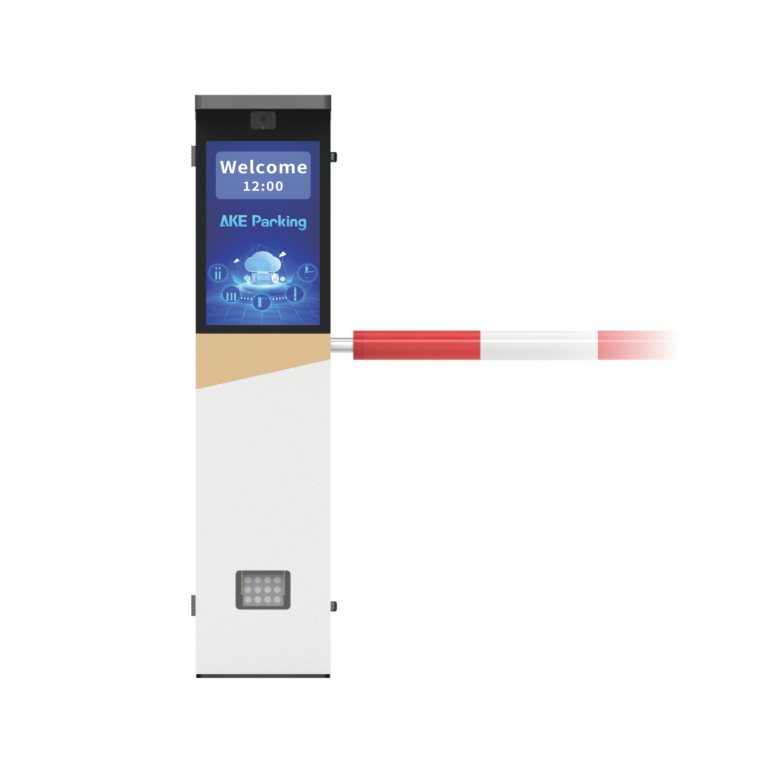
Start by matching the solution to the exact pain: if people hang around at the gate, improve entry speed; if spaces sit empty while drivers hunt, add reliable spot sensors or LPR-based guidance. I’ve installed and supported systems across university campuses and a regional hospital, so I speak from hands-on troubleshooting: calibration and routine firmware updates matter more than flashy dashboards. You can see access control in big transport hubs — for instance, Dubai International Airport — where operators balance throughput and security using physical barriers alongside automated ID systems; those setups frequently depend on access control boom gates to control vehicle flows without manual attendants.
Common screw-ups people make
Buying the fanciest hardware without testing for local conditions is the top mistake — cameras that work in one light condition can fail in another. Over-customizing software before confirming core needs wastes budget. Ignoring simple operational tasks like regular camera cleaning, time-synced logs, and checking loop detector sensitivity causes most downtime. Also, don’t assume one-size-fits-all rules for pricing or access: design must match peak patterns, user types, and enforcement capability.
How to choose the right tech mix
Decide on goals first: faster ingress/egress, space utilization data, revenue control, or restricted access. For speed and low staffing, pair LPR with barrier control; for occupancy analytics, combine spot sensors and a lightweight dashboard; for visitor flows, use mobile payments and short-term validation. Prioritize equipment with clear maintenance paths and modular replacements — that keeps the system running with minimal surprises. Test a small pilot during a real peak to spot issues before full rollout.
Quick checklist before you buy or upgrade
Confirm detection reliability in your actual lighting and weather, verify vendor support windows and firmware update policies, demand sample reports showing the exact metrics you need, plan simple fallback procedures for power or network failures, and train on the few day-to-day fixes (camera aim, barrier motor checks, log review). That practical list prevents most costly mistakes and keeps the lot moving.
Wrap-up
Fixing parking starts with diagnosing the specific friction points and then applying focused tech — plate recognition for repeat users, reliable barriers for controlled access, sensors for utilization, and sensible operational discipline to keep it running. When teams need modular, supportable hardware that matches that approach, vendors like AKE Parking often fit the pragmatic requirements I describe because they emphasize maintainable solutions over shiny extras.