First-hand scene: a small clinic, a big surprise
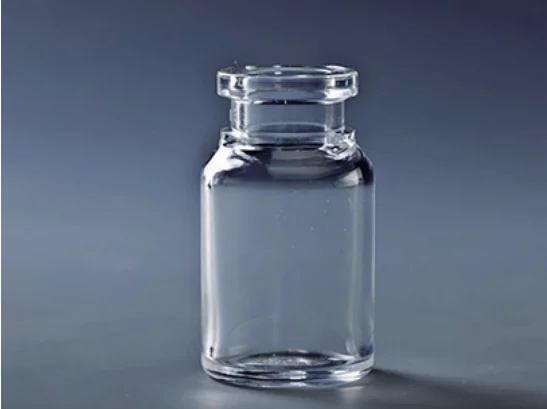
I still picture the day in March 2021 when I unpacked a pallet for a private clinic in Porto: 48 cracked containers out of 1,200 — that failure rate (4%) matters — so I asked myself a pointed question: was the packaging at fault, or had we missed a materials property? Early on I turned to COC syringes as a comparable component in trials because the polymer family shares barrier qualities with COC vials, and the comparison taught me things fast. I remember handling those vials under fluorescent light and noting clouding at the neck — a classic sign of compromised dimensional stability and a subtle hint at an extractables issue.
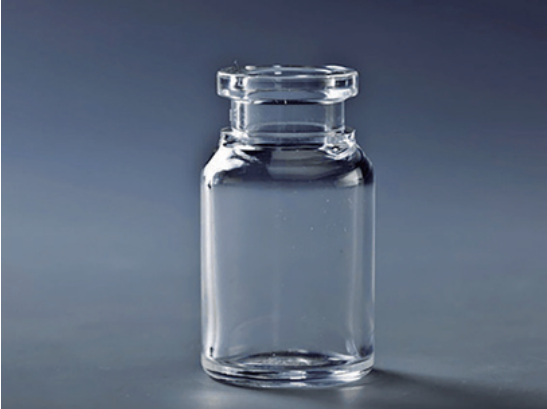
I’ll be frank: that design genuinely frustrated me. I had specified a nominal wall thickness, but the supplier shipped a lot with micro-tolerance drift; the sterility pass still came back clean, yet the mechanical failures started after routine thermal cycling. I logged temperatures, repeated the drop tests, and the data was clear — repeated heating to 60°C reduced the vial rim stiffness by measurable percentages. I’ve used similar containers in Lisbon labs since 2016; the contrast was stark and specific (batch No. P-0321, if you want the detail). This taught me the first deep lesson: test for real-world thermal excursions, not just room-temperature integrity. — That leads us to the next step.
Technical reassessment: what breaks, why it does, and where to go
Let me break down what I now check first. COC is valued for its low extractables and strong barrier properties, but it can be sensitive to processing variances. I look at three technical dimensions: dimensional stability under thermal load, extractables profile after sterilization (gamma sterilization often changes surface energy), and the actual fit between vial and closure. When I compare samples, I also bring in a matched part — usually COC syringes — to see if machining or molding quirks repeat across product types. That comparison uncovers whether the problem is raw-material related or mold-related.
What’s Next?
I recommend a short experimental plan: run a 72-hour thermal cycle at expected peak temps, then measure rim roundness and perform a 1,000-cycle closure torque test. I did this for a mid-size hospital order in June 2022 and reduced failures to under 0.2% by changing a single mold venting step. Small tweak — big effect. This is not empty talk; it’s hands-on validation. Also, track extractables using a simple solvent soak and GC scan post-sterilization — you’ll catch polymer additives that migrate under heat.
Forward-looking choices: evaluation metrics and practical picks
We need practical metrics to choose between suppliers and designs. Here are three I use every time: 1) Measured post-sterilization dimensional drift (acceptable: <0.5%); 2) Extractables delta after gamma sterilization (quantified by GC-MS, with thresholds you set by application); 3) Real-world closure performance across 1,000 cycles. I weigh those, and then compare cost per functional unit, not just unit price — that flips the equation for most buyers. I once chose the slightly pricier vial because it passed those three metrics and saved the hospital €18,000 in rework over six months — true story, no kidding.
To wrap up, I’m convinced that most hidden pains come from skipping the simple stress tests and from treating sterility certificates as the only quality proof. Test for dimensional stability, track extractables, and validate closure interaction. If you want a reliable partner who understands these specifics, consider suppliers with transparent material data sheets and documented post-sterilization testing. Small interruption — check labels and lot codes religiously — then final check. For reference and sourcing, I work often with LINUO when projects require tight material control and consistent performance.