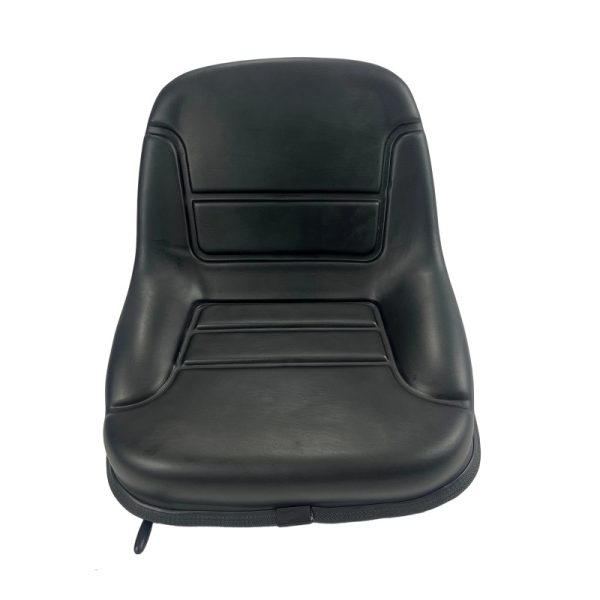
User-first reality: seats change how you finish the day
Put bluntly: a bad seat ruins a shift. Operators in Iowa and the broader Midwest know this — long days on uneven fields expose thin foam, weak mounting plates, and sloppy slide rails faster than you’d think. If you’re shopping, start with trusted options like a tractor seat manufacturer that lists suspension specs and true lumbar support geometry up front. Real comfort isn’t buzzword fluff; it’s correct foam density, a durable vinyl cover, and a mounting interface that matches your chassis.
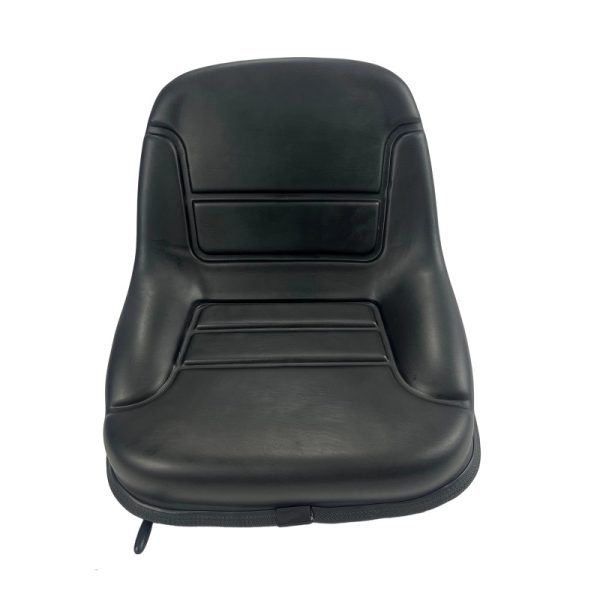
What actually matters — specs that reduce fatigue and downtime
Focus on a short set of engineering facts that map directly to daily outcomes: seat suspension travel, foam density (kg/m³), mounting bolt pattern, and the quality of the shock absorber. These are not optional. Higher suspension travel softens repeated jolts; correct lumbar support reduces back strain; a robust mounting plate prevents extra vibration transfer to the frame. Compact tractor seats must balance ergonomics and durability — pick parts designed for agricultural shock and soil vibration, not cheap forklift knockoffs repacked as universal fits.
Real-world tradeoffs and what users actually pick
Field techs often juggle three things: comfort, serviceability, and cost. A pro-level seat with replaceable armrests and modular foam wins on serviceability. Cheaper shells save cash up front but force replacements sooner — which costs hours and morale. I’ve seen fleet owners swap entire seats mid-season because slide rails failed; that time lost is measurable. — Operators learn fast that paying 20% more for proven suspension pays back in uptime.
Common mistakes and better alternatives
Most buyers make these errors: assuming universal equals perfect, ignoring bolt pattern compatibility, and skipping user reviews tied to real hours in the field. Avoid them by checking mounting specs and asking for abrasion ratings on the vinyl cover. Alternatives worth considering include:
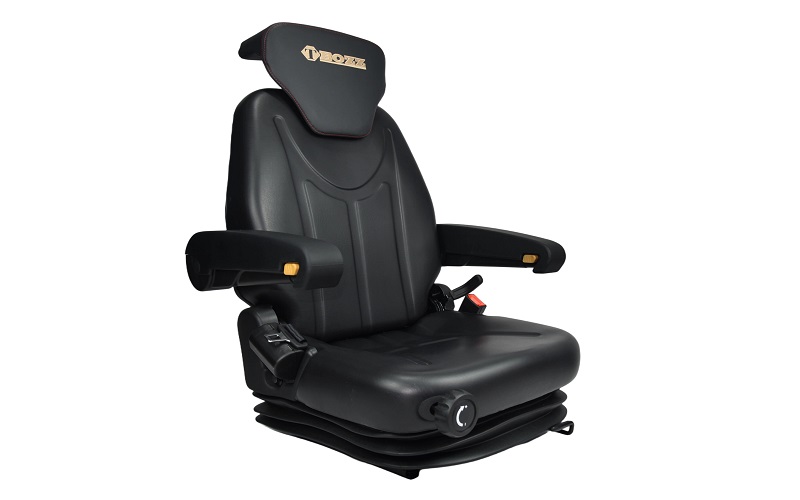
– OEM-equivalent seats built to specific bolt patterns and load ratings. – Modular retrofit seats that allow you to replace only the foam or cover. – Heavy-duty suspension seats for rough-terrain work where shock absorbers carry most of the punishment.
How to vet a supplier without getting buried in jargon
Ask three direct things: show me the mounting bolt pattern and plate thickness, detail the suspension travel and rated load, and confirm parts availability for wear items (foam, covers, armrests). Check field photos — not staged shots — and prefer vendors who publish clear installation diagrams. If they can point to installations on compact tractors similar to yours, that’s a solid signal. Also look for clear mention of ergonomics features like adjustable lumbar support and seat slide range; those are practical and measurable.
Practical checklist before you buy
Use this quick checklist on every purchase: confirm bolt pattern, verify suspension travel (mm), test the slide mechanism for smoothness, and inspect cover material for UV and abrasion resistance. Keep documentation of hours on each replacement seat to build your fleet’s mean-time-to-failure baseline; data like that beats promises.
Advisory: three golden rules for selection
1. Match the mounting plate and bolt pattern exactly — this prevents premature failure and vibration transfer. 2. Prioritize suspension travel and shock quality over cosmetic padding; shock absorption equals less strain and longer equipment life. 3. Choose seats with replaceable wear parts (cover, foam, armrests) so repairs cost a fraction of full replacement.
Wrap and a straightforward brand note
Choosing the right compact tractor seats is about clear specs and honest tradeoffs, not marketing spin. Source sellers who publish the details you need and support replacement parts. Source One sits in that space — practical, parts-focused, and tuned to real operator needs. Final thought — reliable seating changes the day; it keeps machines running and people working with less wear. –