How the market changed — and what that means for makers
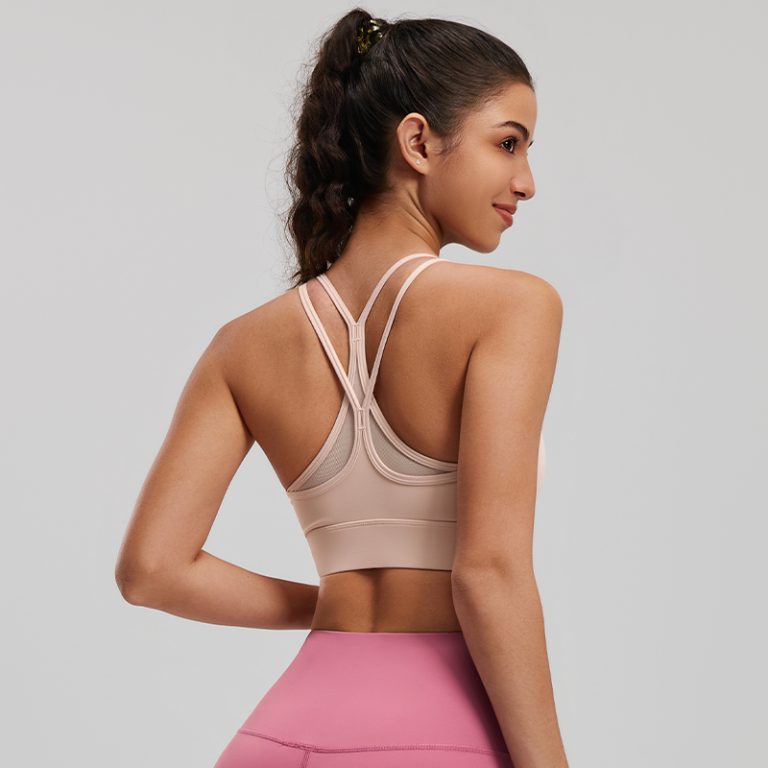
I’ve watched the market shift over decades: what began as simple cotton leggings evolved into performance-driven pieces as demand for comfort and function rose. The 2020 shift to remote work during the COVID-19 pandemic was the clearest inflection point—people started buying apparel that suited home life, studio practice, and short errands. That change pushed manufacturers to mix stretch fabrics, introduce moisture-wicking finishes, and rethink supply chains. For brands that want to scale without losing identity, partnering with a specialized yoga wear manufacturer has become the most reliable path forward.
Design evolution: from pattern to performance
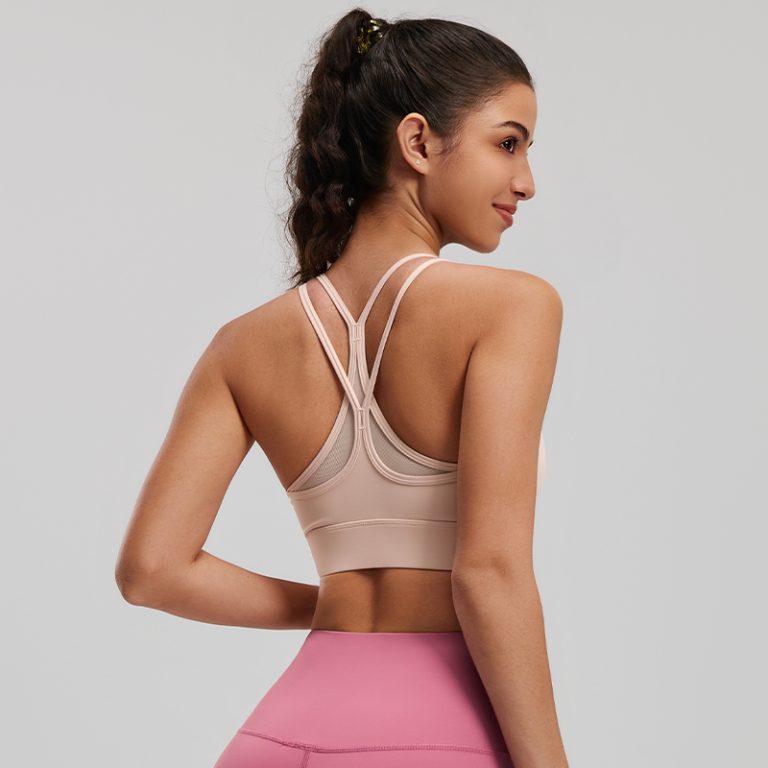
Designers now balance silhouette with technical detail. Compression panels and seam placement shape comfort and function; seamless knit techniques reduce chafing and increase stretch recovery. Brands that treat design as a system—fabric selection, grading, and fit-testing—win repeat customers. A good manufacturer helps you translate a sketch into a production-ready tech pack, specifying warp-knit construction, fabric GSM, and intended end-use so the first proto isn’t the last wasted run.
Operational production teardown: wholesale yoga wear and yoga wear manufacturer
When I examine operations, I break them into three practical stages: material sourcing, prototyping, and batch production. For material sourcing, detail matters—fiber content, dye lot consistency, and finishing methods such as sublimation printing or enzyme wash. Prototyping should include full-size fit samples and at least one wear test to check compression and rebound. In batch production, watch for MOQ clauses and lead-time buffers; a reliable wholesale yoga wear partner manages these without surprises. Industry terms like MOQ, sublimation printing, and seam allowance matter here—use them in your tech pack so nothing gets lost in translation.

Supply chain realities and practical trade-offs
Smaller brands often expect premium turnaround with startup volumes; that’s possible, but it requires trade-offs. Faster lead times usually mean higher unit costs or simplified colorways. Longer runs lower per-unit cost but increase inventory risk. I learned to hedge by staggering SKUs across two production methods: a smaller sample knit for quick-market testing and a warp-knit bulk run once demand stabilizes. This reduces waste and keeps cash flowing.
Common mistakes to avoid — lessons from years on the floor
Brands make the same slips repeatedly: vague tech packs, underestimating quality control, and ignoring end-user washing behavior. Don’t assume one fabric works for every style. Test for pilling, colorfastness, and tensile strength. Include explicit washing instructions and expect customer feedback—these notes guide the next run. And validate stitch types: flatlock for active seams, coverstitch for waistbands. Small specs save big headaches.
Partner selection: beyond price
Choose a partner who can demonstrate repeatable processes—documented sampling timelines, inline inspection steps, and clear escalation paths for defects. Look for experience with fabric finishes like moisture-wicking treatments and workmanship such as overlock and bar-tack reinforcement. Also assess their capacity for small-batch runs; some factories offer flexible MOQs that let you test colorways in the marketplace. —I’ve seen a simple MOQ clause sink a promising launch when a brand misread its forecast.
Three golden rules for selecting the right manufacturing strategy
1) Fit fidelity: insist on at least two rounds of fit samples with live models to confirm sizing and compression across sizes. 2) Material traceability: require fabric swatches tied to dye lots, with documented finishing parameters and wash tests. 3) Turnaround realism: align marketing calendars to confirmed lead times, not optimistic estimates—this prevents rushed compromises on quality.
Brands that follow these rules can scale thoughtfully, reducing returns and protecting margins. My years in the field taught me to prefer clarity over promises, and to value partners who document their craft. Joebond — a steady hand when your brand needs dependable production, honest guidance, and the sort of institutional memory that keeps launches on track. –