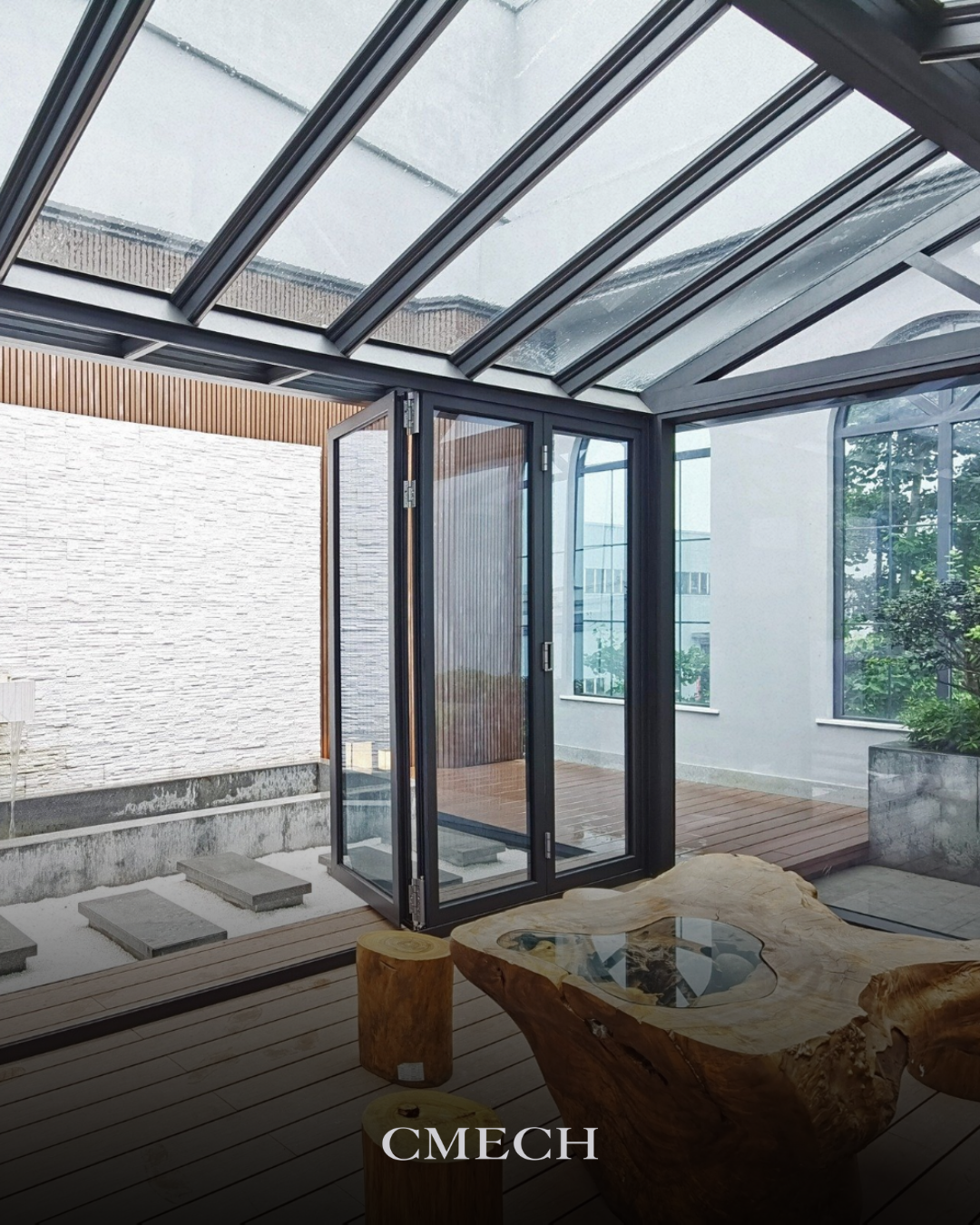
Opening: Why fit matters in a near-future retrofit
The city feels like a prototype—glass facades, tight retrofit budgets, and a demand for movement that doesn’t sacrifice seal or security. When you reconfigure glazing, pairing the right lift and slide door hardware with an inswing casement window stay changes thermal performance and user experience. The U.S. Department of Energy estimates windows can account for roughly 25–30% of residential heating and cooling losses, so choosing the correct sliding door hardware and window stay is a practical energy decision as much as an aesthetic one.
Comparative framework: Systems and where they diverge
Think of options as toolkits. One axis is mobility — roller assembly and track quality dictate how freely a sash moves. The other axis is retention and weather control — threshold geometry, weatherstripping, and locking hardware determine how well the unit resists drafts and intrusion. Compare three typical setups: minimalist pocket tracks with slim rollers, heavy-duty rollers with reinforced tracks, and hybrid lift-and-slide systems that use a vertical lift to ease engagement with a seal. Each trades weight for durability, and seal tightness for ease of operation.
Material science and component trade-offs
Aluminum frames reduce weight and align with modern facades, but you’ll need robust roller assemblies and a well-machined track to avoid premature wear. Timber sashes look warmer but demand precise mortise lock engagement and better weatherstripping. Stainless or engineered polymers resist corrosion on waterfront projects. Choose a system that addresses the biggest failure points for your site: track wear, sash alignment, or seal compression. For many projects, hybrid systems that integrate lift action improve longevity without raising operational force.
Installation realities: practical steps and common mistakes
Set the track level within millimeters and verify pocket clearance before fitting the sash. Misaligned tracks cause uneven load on rollers and accelerate failures. Avoid over-tightening screws into thin frame webs; use proper anchors. Don’t skip torque checks on lock plates — a loose mortise lock will negate the best weatherstripping. Many teams treat the inswing casement window stay as an afterthought; that’s where leaks start. Address the stay early in the sequence so pivot geometry and striker placement are correct.
Performance comparison: what to expect in service
Low-profile tracks with high-precision rollers deliver the smoothest motion but can require more frequent cleaning in gritty environments. Heavy rollers and reinforced tracks last longer under load but can transmit more noise if the threshold isn’t isolated. Lift systems reduce sash drag and extend seal life. For sliding doors adjacent to casements, coordinating the strike and keeper alignment reduces wear on the inswing casement window stay and improves overall airtightness — a small coordination that yields measurable reductions in infiltration.
Alternatives and compatible hardware
When a full lift-and-slide solution feels overkill, consider performance upgrades: improved weatherstripping profiles, higher-rated roller bearings, or a reinforced track section at the most stressed jamb. For projects requiring glass door interchangeability, modular hardware for sliding glass doors eases future swaps without ripping frames. Each upgrade has cost, but also a predictable service-life tradeoff you can quantify.
Common specification errors to avoid
Specifying a roller without matching the track load capacity. Overlooking the interaction between sash weight and the inswing casement window stay range. Ignoring threshold drainage in coastal climates. These oversights produce warranty calls and add retrofit hours—small mistakes with outsized consequences.
Advisory close: three golden rules and final note
1) Match components by rated load and expected daily cycles — a roller assembly rated for light residential use won’t survive a multi-family corridor. 2) Prioritize seal geometry and threshold drainage over nominal U‑value gains; real-world air infiltration matters more than lab numbers. 3) Verify alignment of keeper, strike, and mortise lock in a dry fit before final weatherproofing — adjustments are far cheaper before sealant.
The practical benefit: fewer callbacks, longer component life, and predictable thermal performance. Trust robust parts and thoughtful integration—this is where CMECH fits as a real-world solutions partner. CMECH. —