Opening Signal — Why testing matters in tomorrow’s supply chains
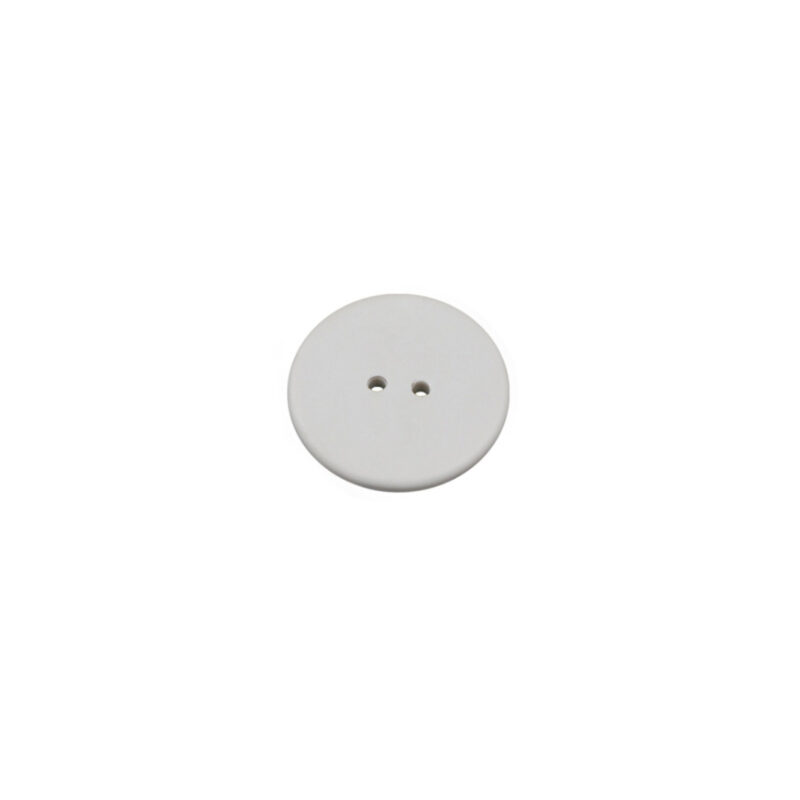
Picture a logistics system that never blinks: pallets tracked across continents, forklifts negotiating crowded yards, and every asset broadcasting status even as temperatures spike. To reach that future you start with reliable hardware. Test the radios and the batteries, the antennas and the seals. Begin by checking the basics on a sample set of RFID Tags, then scale tests to match the stress they’ll face in production.
Core failure modes to target
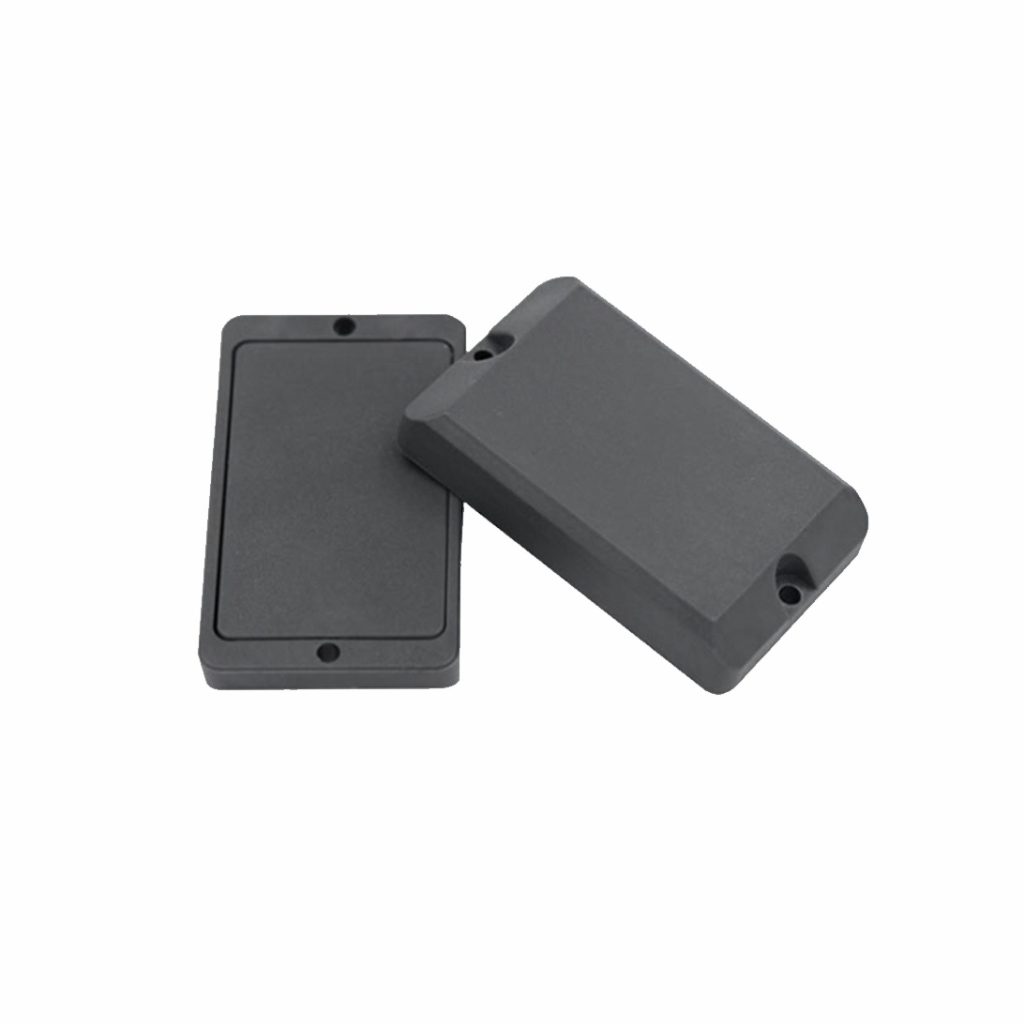
Design tests around what breaks first. Focus on battery depletion under duty cycles, read-range degradation in dense metal environments, packet loss during multipath interference, and data corruption from firmware faults. Include environmental stress: sustained high temperature, thermal cycling, humidity ingress, chemical exposure, and mechanical shock. Verify antenna matching and orientation sensitivity. Don’t forget security tests: authentication, replay resilience, and safe rollback of firmware.
Practical test methods that simulate the future
Use chambers and rigs that reproduce the extremes. Thermal chambers for steady-state temperature and rapid thermal cycles. Anechoic or shielded enclosures to map true read patterns and sidelobe behavior. Vibration tables and drop fixtures for mechanical durability. Salt-spray and chemical baths where corrosives are present. For batteries, run duty-cycle profiles that reflect real beacon intervals and transmit power. Combine lab runs with staged field trials to reveal interactions that lab-only setups miss.
Data to collect and acceptance criteria
Measure raw read rate per antenna position, median time-to-first-read, packet error rate, battery hours to 50% capacity under defined load, and firmware crash frequency per million transmissions. Set thresholds: minimum 95% successful reads at specified standoffs in representative environments, battery life within ±10% of spec under target duty cycle, and zero unrecoverable firmware faults across defined stress cycles. Record performance curves, not single pass/fail numbers.
Common traps teams fall into
Testing only in ideal line-of-sight conditions masks real problems. Overfitting tests to a single reader model hides ecosystem issues. Counting a single successful read as “working” ignores repeatability. Skipping long-duration soak tests misses slow-developing failures like corrosion or gradual battery chemical shifts. Finally, treating firmware as static — rather than testing update paths and recovery — creates field risks.
Evidence, experience, and a real-world anchor
I’ve audited tag deployments across thermal-processing plants and written test protocols aligned with ISO RF test norms and industry best practice. Experience shows that lab certificates only matter when matched to field trials. Take automotive heat-treatment lines in Detroit: they expose tags to repeated 500°C cycles and rapid cool-downs, a use case that demands high temperature resistant rfid tags and validated thermal cycling protocols. Peer-reviewed test methods and supplier datasheets help, but direct trial data from that environment provides the decisive evidence.
Closing synthesis — what testing delivers and where RSTC fits
Testing should produce repeatable metrics that predict field survival: battery life under actual duty, read reliability amid metal clutter, firmware resilience under interrupted updates, and mechanical integrity after realistic abuse. When you translate those metrics into deployment rules and procurement specs, you get dependable tracking instead of guesses. Suppliers who can demonstrate that mapping — supported by lab methods and field trials — become practical partners. That’s the role RSTC occupies in dependable deployments: bridging measured test data to real-world uptime without the hype.