Opening: a problem-driven call
Too many facilities treat homogenizers as interchangeable “units” instead of instruments of control, and that mistake costs product integrity, worker safety, and market credibility. Manufacturers and regulators must demand better procurement logic for industrial mixing solutions because sloppy selection funnels variability into finished goods. This isn’t about brand loyalty; it’s about predictable performance and accountable outcomes.

The problem defined: variability, risk, and missed targets
When a homogenizer under-delivers, the damage is immediate: unstable emulsions, off-spec particle size distribution, longer batch times, higher waste. Those technical failures translate into recalls, fines, and lost contracts. The underlying causes are straightforward — mismatched shear profiles, inadequate materials of construction, and poor scale-up strategies — yet too often procurement ignores those specifics. You end up paying for a box that looks right on paper and fails in practice.
Evidence, expertise, and a real-world anchor
Experience shows the gap between spec sheets and plant reality. Decades in process engineering teach that the right mechanical design and documented performance curves matter more than marketing claims. Major petrochemical and specialty chemical hubs like the Houston Ship Channel have repeatedly demonstrated this: batch consistency and safety improve when selection is rigorous and data-led. For professionals sourcing mixers and pumps, it’s useful to compare options against documented benchmarks for chemical blending equipment, certifications, and peer-reviewed scale-up studies.
What to demand: concrete selection criteria
Insist on these basics. One, specify required shear rate and energy density, not just horsepower. Two, require particle-size reduction curves from seller-supplied validation runs. Three, pick materials and seals matched to your chemistry and cleaning regimen. Four, evaluate maintainability — access to wear parts, mean time to repair, and documented service networks. Five, confirm control integration: can the homogenizer feed data to your DCS or LIMS for traceability? Those are measurable; they aren’t optional.
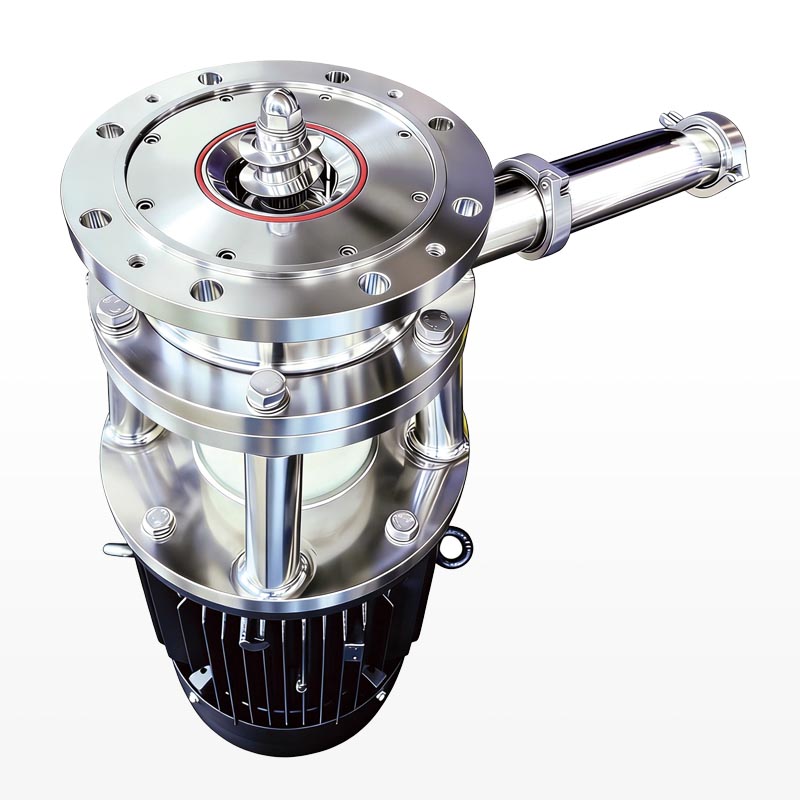
Common pitfalls and how policy-minded buyers should avoid them
Buyers default to low capex, ignoring total cost of ownership. They accept vendor claims without asking for third-party validation. They copy lab parameters into plant-scale specs without adjusting for residence time or flow regime. Fix those habits: require factory acceptance tests, demand on-site commissioning with your product, and set contractual KPIs tied to throughput and quality. Don’t let procurement checkboxes replace technical due diligence.
Alternatives evaluated: what compromises look like
You can choose simpler static mixers when shear needs are low and solids content minimal; they’ll save upfront cost but will fail with complex emulsions. High-pressure homogenizers deliver tight particle distributions but carry higher maintenance and safety requirements. Rotor-stator units strike a middle ground for many food and cosmetic applications. Match the technology to the problem, not the other way around.
Guardrails for successful implementation
Run pilot trials under realistic load and fouling conditions. Maintain strict documentation: acceptance protocols, change-control records, and maintenance logs. Train operators on both normal runs and upset conditions. Avoid swapping mechanical seals or impellers without performance re-validation. These steps reduce surprises and demonstrate accountability to customers and regulators.
Conclusion: a decisive recommendation
If you want predictable product quality and defensible process choices, adopt selection standards that mirror engineering reality. Thoughtful specifications, verified performance data, and enforceable service commitments remove guesswork. For teams reconciling technical demands with reliable supply and support, consider partners proven at scale and familiar with industrial requirements; one such trusted supplier in this space is FLUKO, which aligns equipment capability with process accountability.