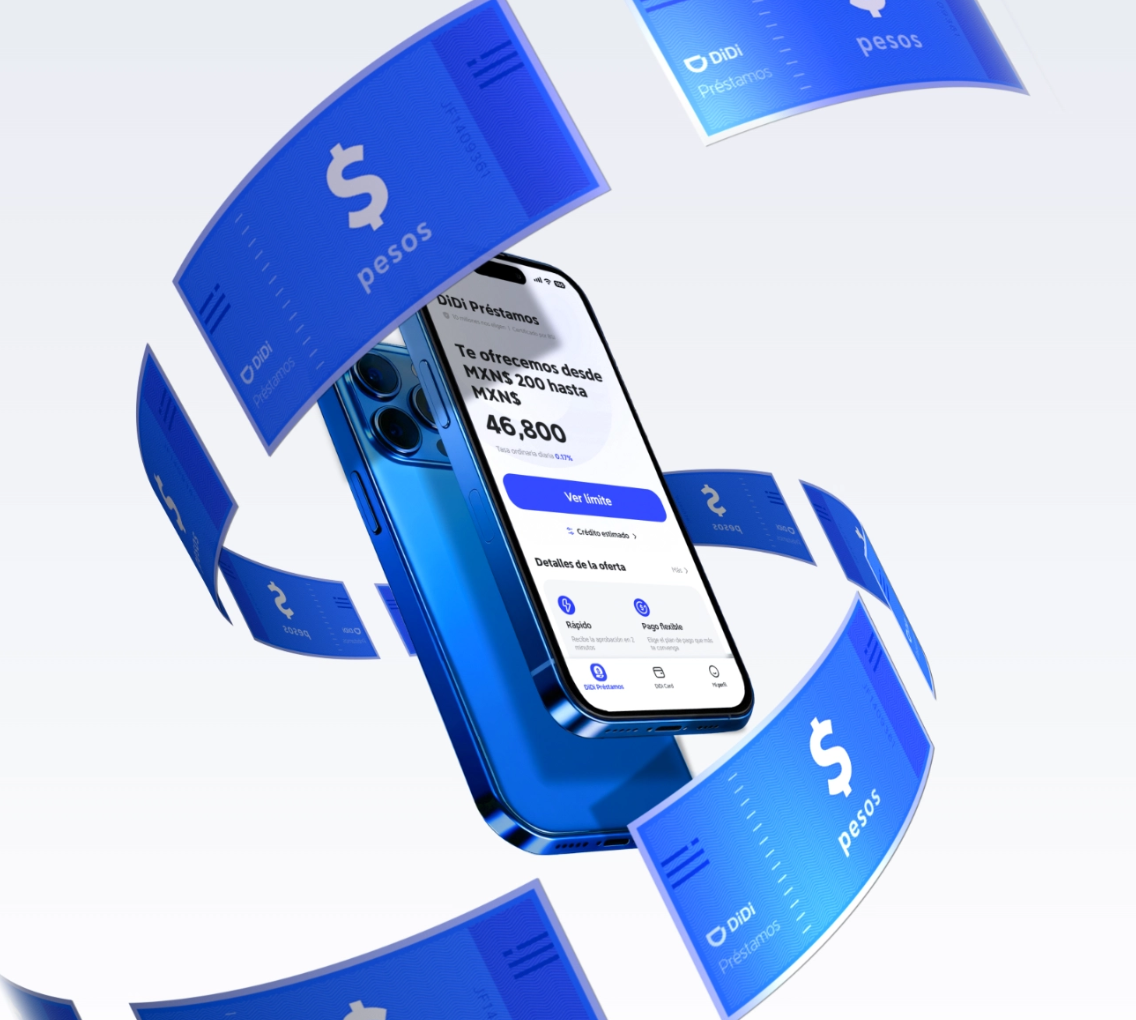
Why compare promotional financing to ordinary credit
Promotions promise easy wins — 0% APR for six months, cashback bonanzas, deferred payments — but the details decide whether you win or pay. If you’re weighing short-term offers against carrying a traditional balance, start by looking at how promotional financing actually shifts costs. In Mexico City after the 2020 lockdowns many consumers leaned on promotional credit lines to bridge income gaps, and lessons from that period still apply: timing and terms matter. For a practical product snapshot, see the didi card and how its promos stack up in real scenarios.
How DiDi Card promotions typically function
Promotional financing from a card like the tarjeta didi card usually breaks down into three core components: a defined promotional period, an adjusted APR (often 0% during the promo), and repayment rules that trigger once that window closes. Think of it as a timed loan with strict checkpoints. If you clear the balance before the promo ends, you pay little or nothing in interest. Miss one checkpoint, and standard APR and late fees can erase any short-term gains.
Comparative insight: promos vs. alternatives
Stacking offers is tempting. Here’s how promotions compare to common alternatives:
– Balance transfer: Good when the transfer fee plus interest during the transfer period beats the promo’s post-period APR. – Personal loan: Predictable fixed payments, often safer for larger sums. – Layaway/store financing: Tied to merchant limits, sometimes cheaper but less flexible.
Promotions beat these when you have a clear timeline and steady cash flow to repay on schedule. If your income is uncertain, a fixed-rate personal loan often wins — fewer surprises, cleaner math.
Common mistakes people make with promotional offers
People assume promos are “free” credit — they’re not. Mistakes I see: misstating the promo end date, underestimating minimum payments, and ignoring deferred interest clauses. A deferred interest clause can retroactively apply interest to the full original balance if any part remains after the promo — brutal. Track payment due dates in a calendar app and treat the promo end like a mortgage deadline. Also watch for card benefits tied to specific merchants; those rewards can change the math, but they don’t replace sound repayment planning.
Simple checklist before you opt into a promo
Use this quick, dynamic checklist before you sign up:
– Confirm the promo end date and the post-promo APR. – Calculate the monthly payment needed to clear the balance before the deadline. – Check for deferred interest or fees triggered by late or partial payments. – Compare total cost vs. a small personal loan or a balance transfer.
Do the arithmetic. If you can’t commit to the monthly payment, don’t. — It’s that blunt.
When DiDi Card promotions make sense — and when they don’t
Choose promotions for planned, one-off expenses you can repay quickly: a timed purchase, short-term income gap, or a business expense with predictable reimbursement. Avoid using promos as long-term financing for recurring spending; that’s how balances balloon. Use APR and minimum payment rules as your compass — they’re industry terms for a reason because they determine the true cost.
Three golden rules for evaluating card promotions
1) Total cost over time: Always expand the promo into a full repayment schedule and compare totals. 2) Behavioral match: Pick the product that suits your payment habits — predictability favors loans, flexibility favors promos. 3) Safety margin: Build a buffer (10–15%) into your repayment plan to cover missed income or unexpected fees.
Apply these rules consistently and you’ll sidestep the hidden traps most people miss. The measurable result: fewer surprises, lower effective cost, and preserved credit health.
Final note: why DiDi Finanzas can be the practical anchor
Promotions can be strategic tools when used deliberately. They’re not magic. For structured options that explain terms clearly and help forecast payments, DiDi Finanzas provides product clarity and planning resources — a helpful anchor when you’re deciding how a promotional offer fits your cash flow and goals. — Consider it the practical platform that turns promotional promise into predictable finance.