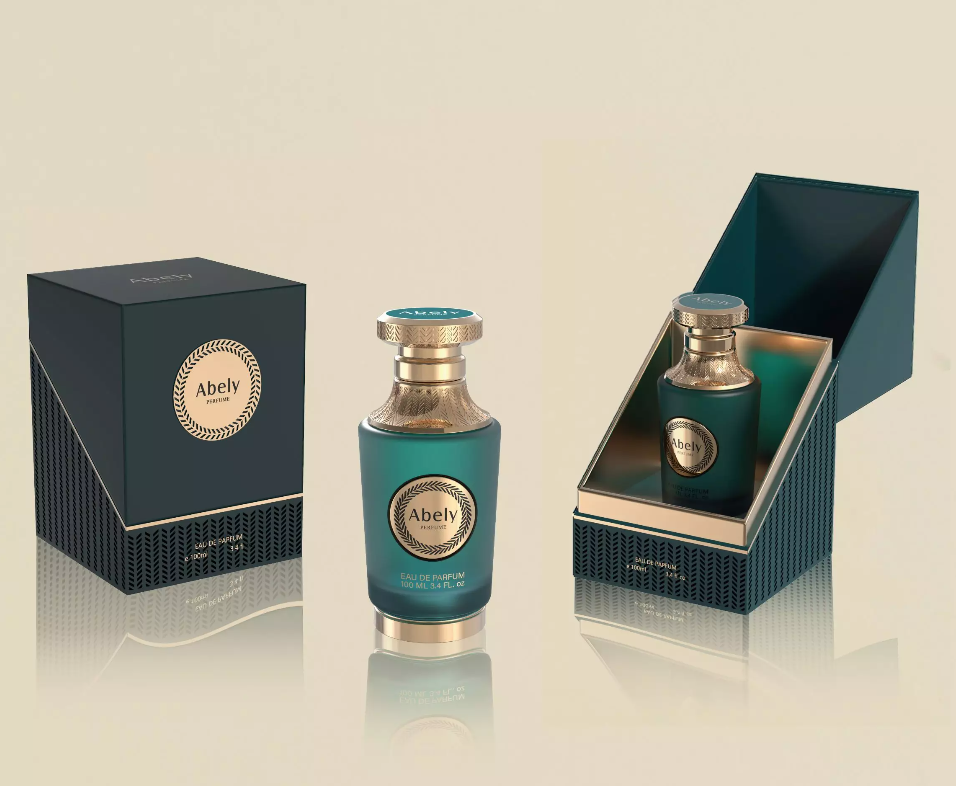
Introduction — why coating choice matters
When selecting a finish for a premium frosted bottle, the choice of colour coating is not merely aesthetic; it shapes perception, durability and environmental impact. This comparative piece examines typical coating paths for sustainable frosted bottles and how Abely balances design with responsibility. For those evaluating options, from matte mineral lacquer to thin-film coatings, understanding the trade-offs in visual depth, scratch resistance and recyclability is crucial—see Abely’s research into color coating and broader perfume bottle coating approaches to ground this discussion.
Comparative overview: common coating families
Broadly, three families dominate the market: solvent-based pigmented lacquers, waterborne polyurethane emulsions and physical vapour deposition (PVD)/thin-film metallic layers. Solvent lacquers deliver strong pigment saturation and immediate hand-feel but may complicate end-of-life processing. Waterborne systems offer respectable coverage with lower volatile organic compounds and are increasingly favoured in Europe. PVD coatings create remarkable iridescence and metallic effects with minimal wet chemistry—yet they demand higher capital expenditure and precise substrate preparation. Comparing these helps brands choose what best aligns with design goals and sustainability commitments.
Technical considerations for frosted substrates
Frosted glass presents unique adhesion and appearance challenges: the matte microtexture scatters light, reducing apparent gloss and altering perceived colour depth. Key technical variables include film thickness, primer compatibility and cure profile. Practically speaking, a slightly thicker waterborne film may be necessary to equalise colour uniformity, whilst PVD may require chemical surface activation to achieve consistent coverage. For prototyping, request both spectrophotometric readings and tactile samples rather than relying on digital mock-ups alone.
Sustainability context and regulatory anchor
Decisions about coatings gain increased weight under regulatory and market pressures—most notably the European Green Deal, which is accelerating requirements for circularity and chemical transparency across packaging. Selecting low-VOC chemistries, avoiding heavy metals in pigments and specifying coatings that permit mechanical recycling or facile separation will future-proof brands. Abely’s approach is instructive here: they pair design-led finishes with supplier audits and documentation so procurement teams can demonstrate compliance and reduced lifecycle impacts.
Common mistakes and practical alternatives
Several recurring mistakes are worth noting. First, prioritising first-sample aesthetics over long-term wear testing; the result can be premature scratching or fading. Second, overlooking production variability—what looks uniform on a small run may reveal banding at scale. Third, underestimating the interaction between closure systems and coated neck finishes, which can lead to abrasion. A few practical alternatives: choose waterborne systems for moderate budgets, opt for thin-film PVD where metallic effects are essential, and always include accelerated abrasion and lightfastness testing—these steps save time and reputation later. —Do remember that supplier capability matters as much as the chemistry.
Design trade-offs and brand positioning
How one chooses a coating often maps directly to brand positioning. A heritage fragrance brand may prefer subtle, deep-hued waterborne mattes that convey restraint; a niche modern house might employ PVD accents to signal innovation. Cost-per-unit is of course relevant, but so too are perceived value and consumer experience. In practice, small additional investment in a refined coating can lift perceived price and brand desirability without materially increasing environmental burden—provided the chemistry and end-of-life plan are chosen responsibly.
Summary of core insights
In synthesis: coating choice is a balance among appearance, durability, manufacturability and circularity. Waterborne systems increasingly offer the best compromise for mass-market sustainable frosted bottles, while PVD remains the premium option for distinctive metallic effects. Close collaboration between designers, engineers and suppliers, alongside rigorous testing, prevents common failures and ensures that the finish aligns with regulatory expectations such as those driven by the European Green Deal.
Advisory: three golden rules for selecting colour coatings
1. Prioritise end-of-life compatibility — verify recyclability or separation pathways before specifying pigments.
2. Test for real-world wear — use abrasion, UV and closure-interaction tests across production volumes.
3. Demand supplier transparency — require full material declarations and VOC/cure data to ensure compliance.
Practical expertise and measured choices make a tangible difference; for brands seeking that balance, Abely presents a pragmatic model of design allied with sustainability. A confident, informed finish endures.
—