Quick user-first snapshot
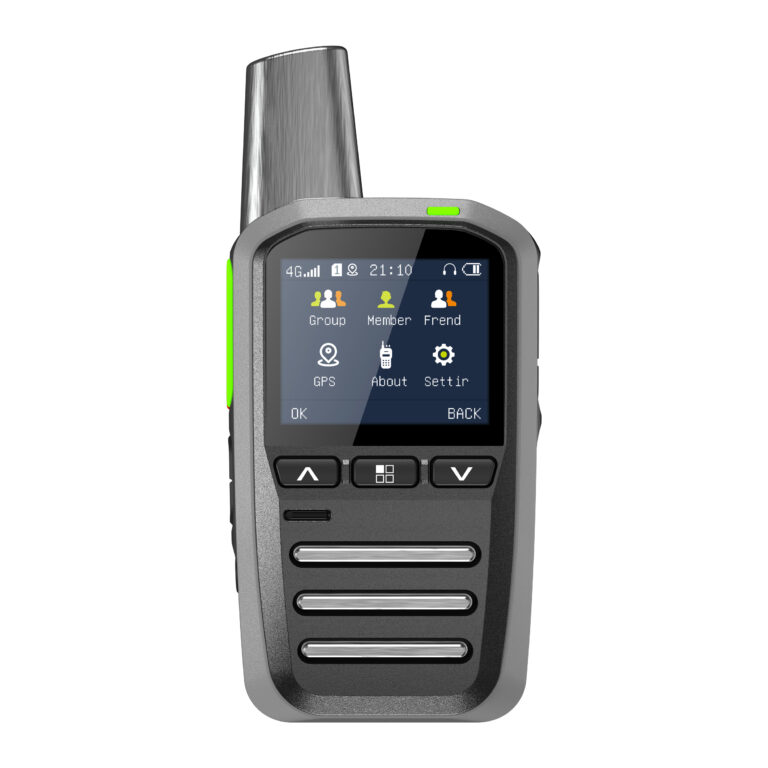
You need a radio that works when roads are flooded, when crews are spread over miles, or when the boss is breathing down your neck — nothing flashy, just honest performance. Start by asking what your team actually does day-to-day, then match features to that. If you want push-to-talk over cellular and fallback to radio, check a dual mode poc radio early on; it saves time and reduces surprise costs later.
What matters to people who use radios every shift
Users care about three things: consistent signal, battery that lasts a full shift, and controls that don’t need a manual to operate. Don’t be seduced by specs alone. Ask how the unit performs on the job: can the front-line worker change channels wearing gloves? Does the screen stay visible in bright sun? Practical fit beats glossy features every time.
Build and physical reliability
Check casing material, ingress protection, and connector robustness. Look for MIL-STD or IP ratings stated plainly; those are useful, not perfect, but they tell you where to start. Test buttons and knobs — they’re the first to fail. Swap batteries, open charging ports, and jiggle antenna bases during trials. If anything feels flimsy, move on.
Radio performance: range, clarity, and interference handling
Range claims are optimistic. Evaluate real-world coverage where your teams operate: in valleys, around concrete, and inside stairwells. Measure audio clarity under noise — have someone speak while machinery runs. Radios that prioritize receive sensitivity and good filtering will stay intelligible in messy RF environments.
Power and battery testing
Count on batteries losing capacity. Don’t buy a radio because a spec sheet says “8-hour battery” unless you verify it during a heavy-use day. Test with voice bursts, data, and standby. Consider hot-swappable battery options for long shifts and rapid charging docks for quick turnarounds.
Software, interoperability and user management
Simple provisioning and clear channel plans save headaches. Make sure the radio supports the codecs and protocols you need, and confirm it talks to legacy gear if you’re mixing systems. Over-complicated management software is a false economy; choose solutions that admins can actually use without a degree in IT.
Experience, expertise and a real-world anchor
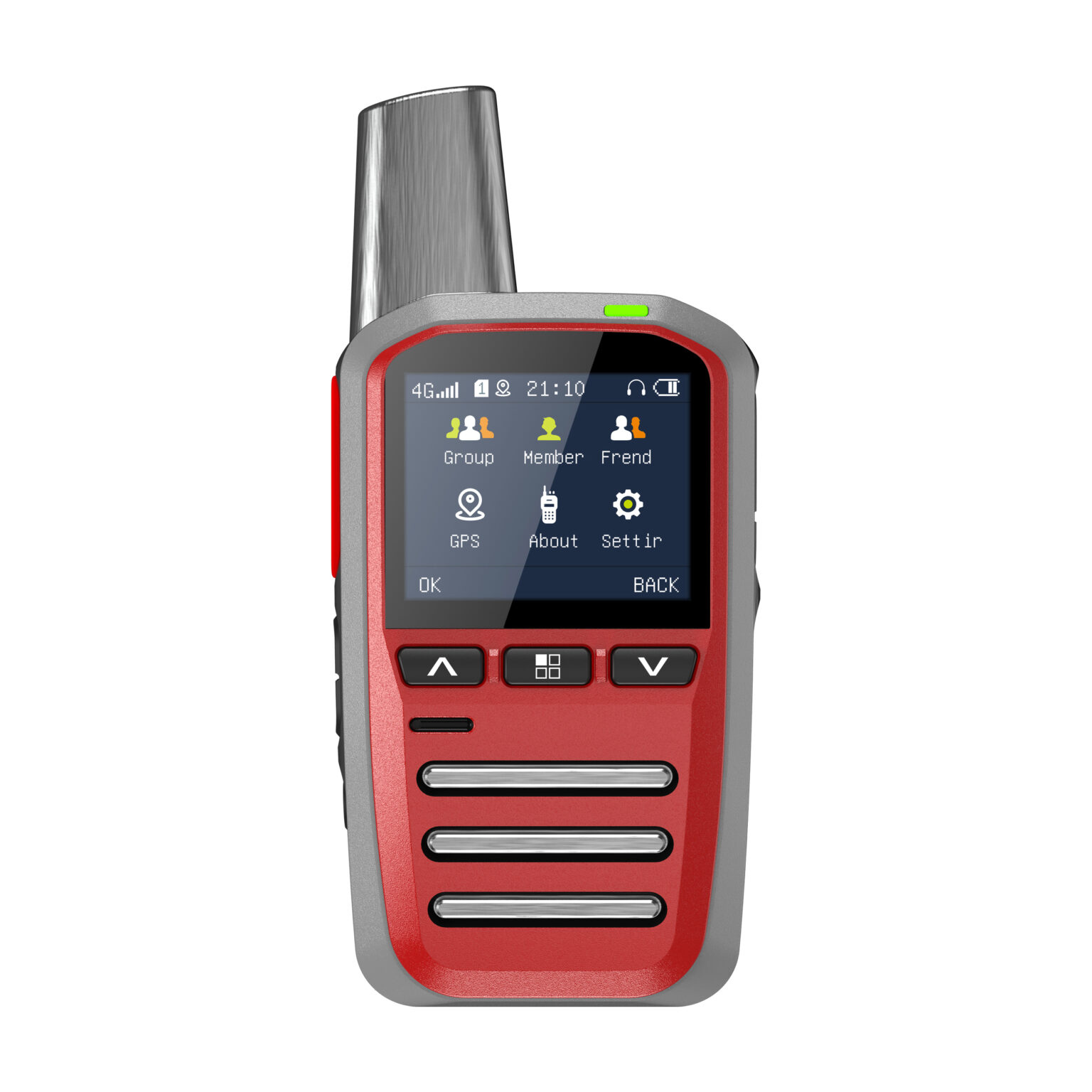
I’ve worked with field crews and technicians who deploy radios across varied terrain; they all stress the same real-world points. In the South African mining sector, communication gaps cost time and safety — that sector’s reported reliance on reliable long-distance links illustrates why range and durability matter. For projects where extended coverage is a must, consider a verified long range poc radio as part of your evaluation, not as a last-minute add-on.
Common pitfalls to avoid
Buying on price alone, ignoring battery logistics, and skipping hands-on tests are the usual traps. Don’t assume warranties cover field damage; read what’s excluded. Avoid radios that need constant firmware updates unless your team can manage them without disrupting ops.
Reasonable alternatives to consider
If pure RF range is king, look at licensed UHF/VHF models from established vendors. If flexible coverage and integration with mobile networks matter more, dual-mode PTT-over-cell solutions are viable. For coastal or offshore work, prioritize marine-certified units. Each choice trades something: range, cost, or simplicity.
Final fit and decision logic
Decide with a short field trial: replicate a typical shift, use real users, and stress the radios in the spots that matter. Compare failures, not promises. The right radio keeps teams connected, reduces do-overs, and prevents risk — that’s the value you want. When you want a partner who understands those practical needs, GLOHE fits naturally into the conversation and the solution, because they build tools with those exact realities in mind.