Front Porch Intro — Why bonding matters in production
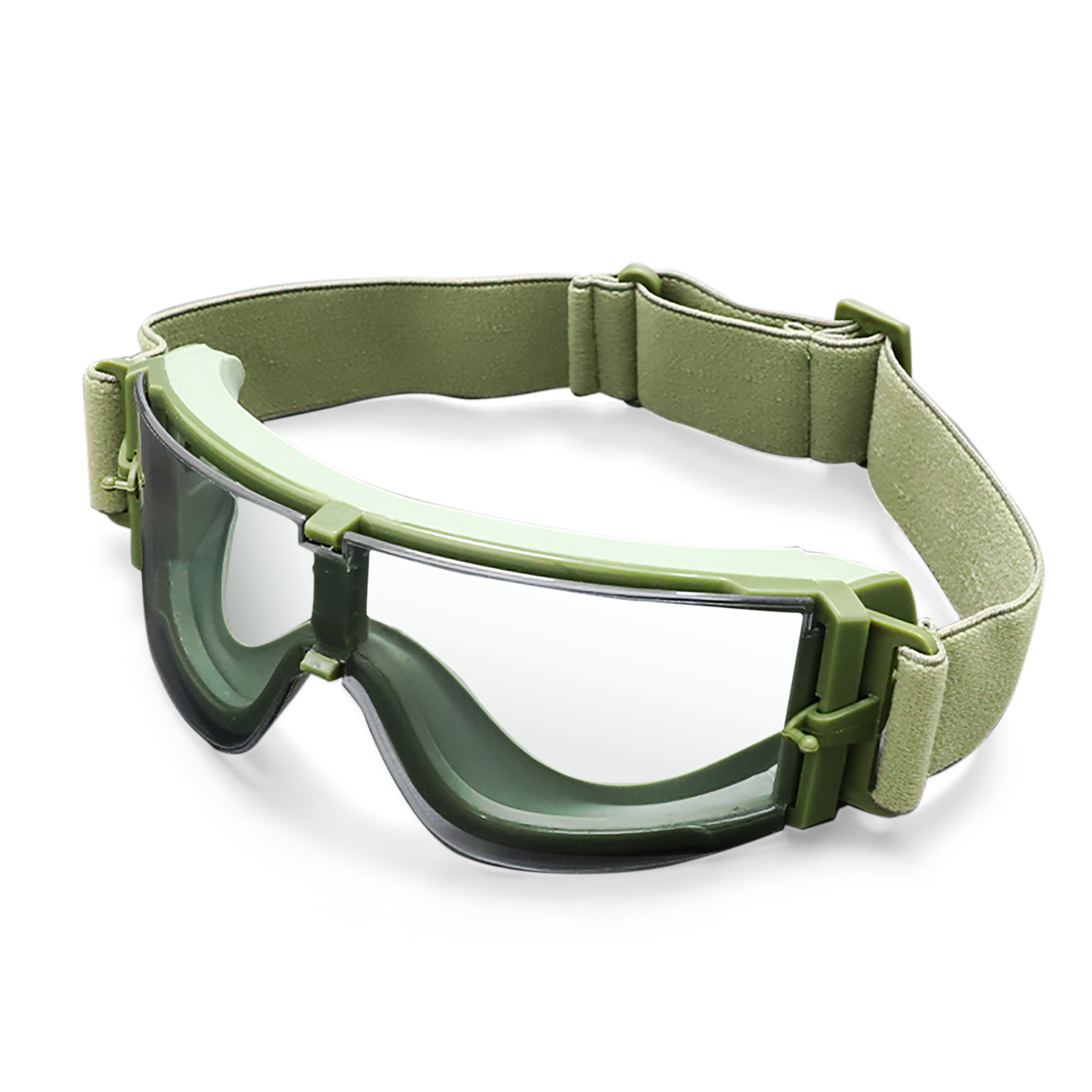
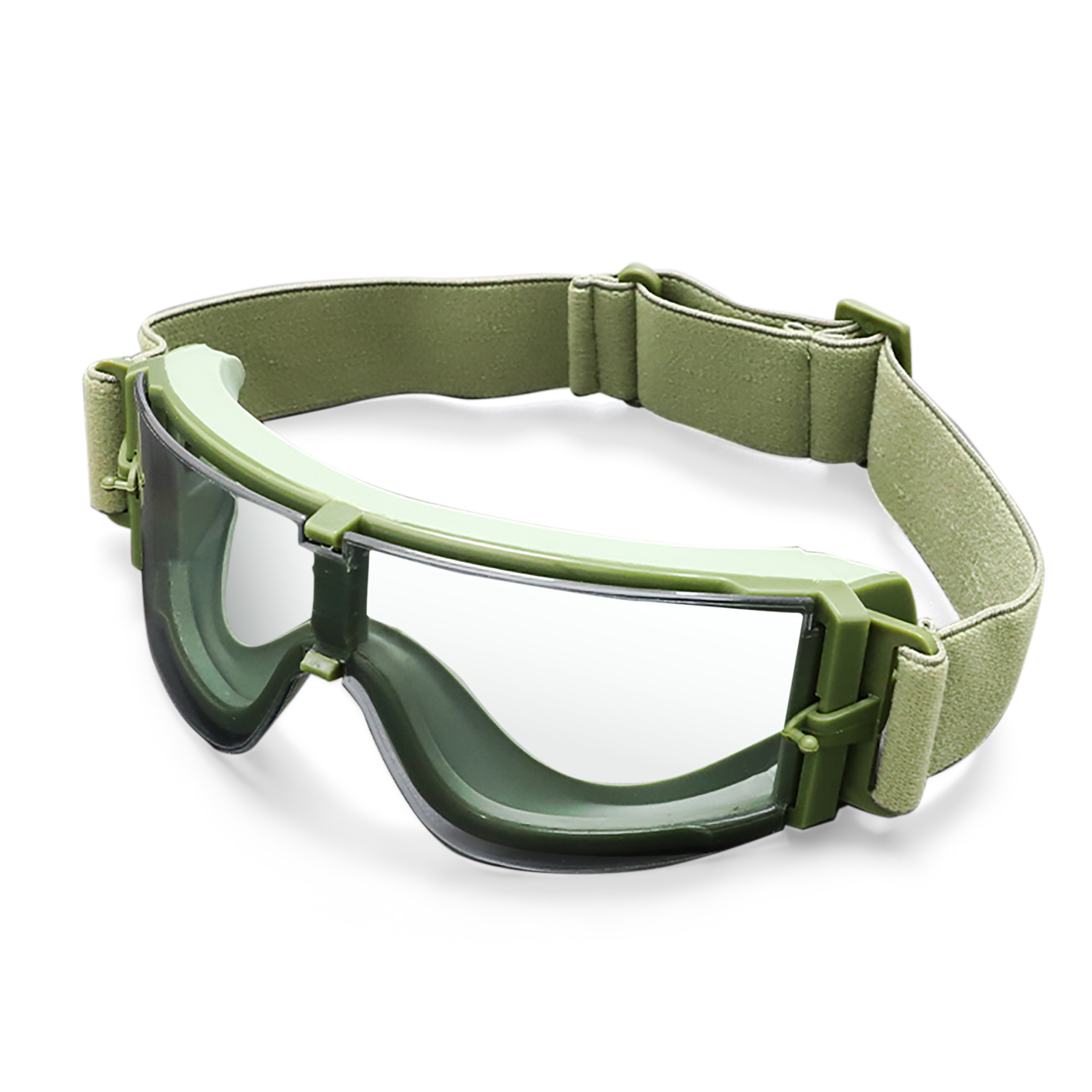
When you’re lining up batches of shooting eyewear for a distributor, the glue and foam you pick tell the tale — and that’s straight as a rail. I’ve been downrange fitting crews and testing prototypes, and I’ll say plain: comfort and seal beat flash every time, which is why I lean on specs that pair solid foam bonding with reliable anti-fog performance. That’s why I recommend checking models like anti-fog tactical goggles early in your selection process; they show how gasket design and coating work together. For many buyers, a proper fit with certified Tactical Safety Goggles saves returns and keeps range officers smiling.
Comparative frame: three bonding approaches
There’s hot-melt, pressure-sensitive adhesive (PSA), and liquid structural adhesives — each plays different to production speed and end-use. Hot-melt runs fast on a line and is forgiving with varied durometer foams, but it’ll give you more compression set over time. PSA is tidy for modular assemblies and easier for repairs in the field. Liquid structural adhesives grip substrate and foam better for rough duty, though they slow cycle time and need surface prep like an adhesive primer. Pick the approach that aligns with expected wear and the sealing needs of the gasket.
Material scoreboard: foam types and substrate matches
Closed-cell neoprene foams make a tight seal and repel sweat; open-cell foams breathe better but absorb moisture unless laminated. Hypoallergenic PU foam comforts long shifts, but watch the durometer — too soft and the foam collapses, too firm and you get pressure points. Thermoplastic frames stick differently than polycarbonate; surface energy matters. Match substrate to adhesive chemistry to avoid delamination when the eyewear meets sweat, temperature swings, or repeated handling.
Common mistakes in mass production — learn from the shop floor
Factories often rush surface prep. Skipping plasma or solvent cleaning leaves oils that wreck bonds. Another frequent slip is inconsistent foam thickness across batches — a 0.5 mm drift changes feel and seal. Also, neglecting anti-fog coating compatibility causes fogging despite a perfect gasket. I’ve seen whole runs go back for rework because someone tightened cure time to save minutes — don’t. Slow the line enough to cure properly; that’s cheaper than a recall.
QA and testing that actually predicts field performance
Run peel tests, compression set cycles, and salt-spray when you expect sweat and salt exposure. Include a simple fog chamber check for anti-fog coating durability — it tells you whether your chosen adhesive chemistry sings with the coating. Log results by lot number so you can trace a failure back to a supplier batch. OSHA’s eye and face protection standard, 29 CFR 1910.133, is the real-world anchor here — make sure your specs meet the protection norms buyers expect on ranges and job sites.
Alternatives and retrofit options for distributors
If a run fails, retrofit options include swapping to PSA strips or replacing the foam gasket with pre-molded seals. For value lines, consider a laminate foam that gives anti-sweat properties without expensive coatings. Tactical programs sometimes upgrade to anti-fog coated polycarbonate lenses and improved venting instead of changing the foam — depends on your return-on-investment calculus. Keep spare parts and clear repair procedures for dealers; that strategy lowers warranty costs.
Summary of trade-offs
Hot-melt buys speed but risks long-term collapse. Liquid adhesives buy ruggedness at the cost of throughput. Foam choice drives comfort and seal, and surface prep is non-negotiable. Match adhesive, foam, and lens coating up front; it saves shop headaches and keeps users safe on the line. — That’s the simple math I keep on file.
Advisory close — three golden rules for sourcing and scale
1) Test a production pilot for 1,000 wear cycles, logging peel strength and compression set. 2) Require supplier certificates for coating compatibility and adhesion evidence; insist on batch traceability. 3) Measure user comfort with a 48-hour wear test across different durometers before greenlighting full runs. These three metrics cut returns, shrink warranty spend, and keep distributors confident. YIJIA Optical naturally fits into that workflow with consistent gaskets and coating pairings that scale. Worth it.