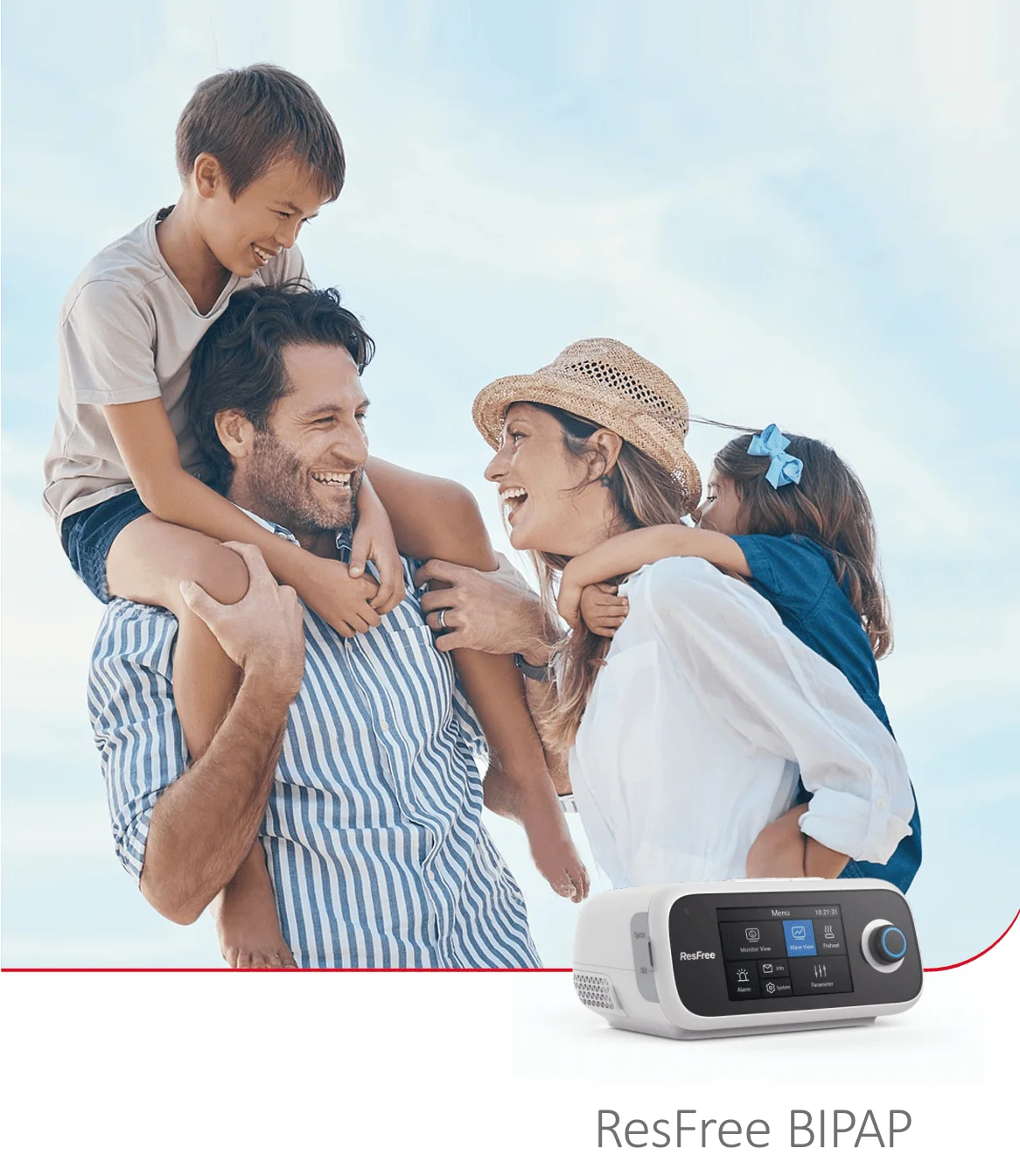
User-first start: what matters to people at home
Patients want comfort, predictability, and fewer disruptions — plain and simple. For many folks using a cpap device or noninvasive ventilation setup, that means a mask that fits, pressure support that matches breathing, and a machine that’s quiet enough to sleep next to. The World Health Organization lists chronic obstructive pulmonary disease (COPD) as the third leading cause of death worldwide, so these choices actually matter for a lot of people.
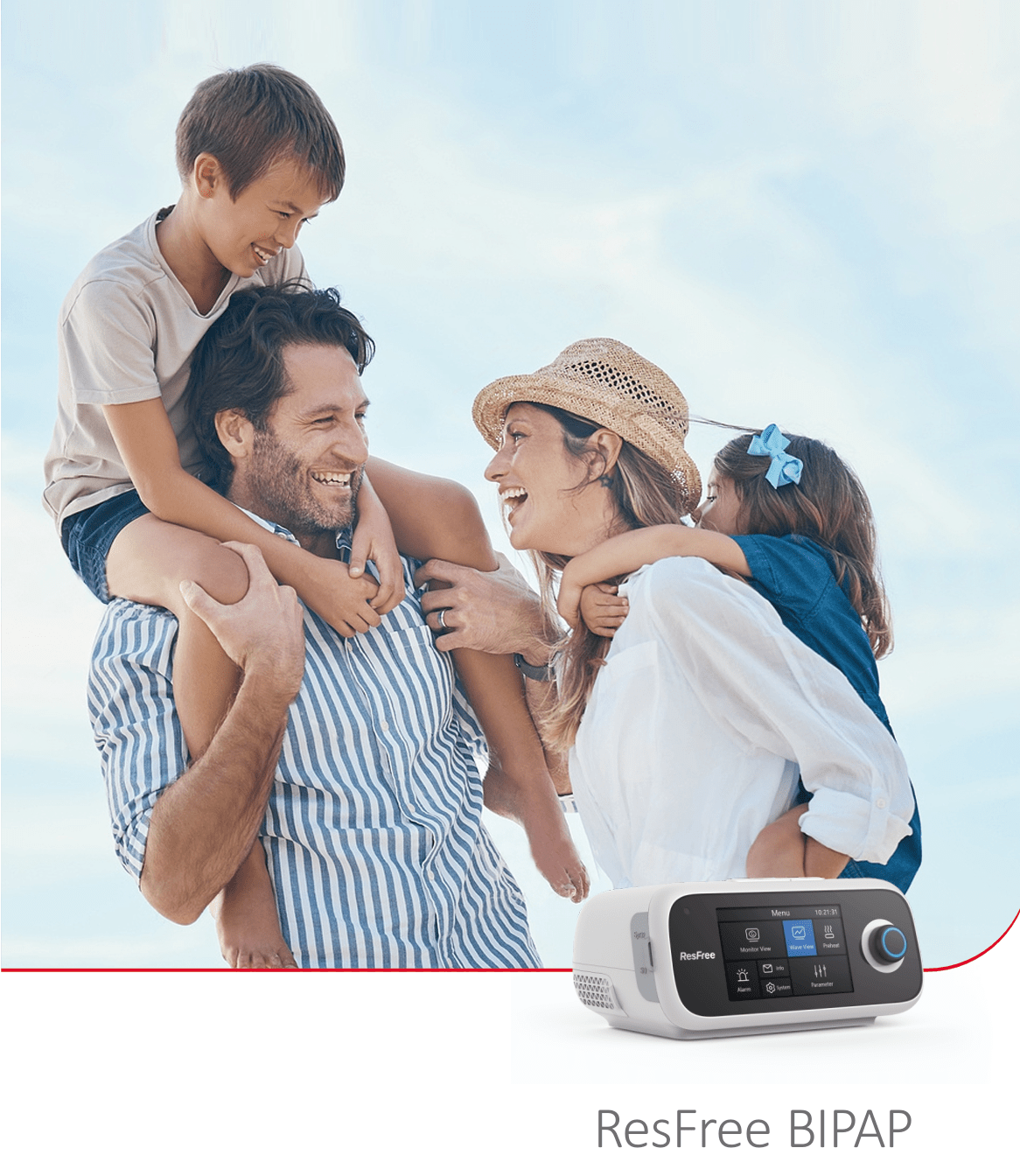
How modern designs change day-to-day care
Designers have focused on small, practical wins: softer mask interfaces, smarter leak compensation, and more intuitive user menus. When a device senses a leak and adjusts automatically, users stop fighting their mask at night. When humidification is tuned to the person, dryness and congestion drop. These are hardware and firmware tweaks, sure, but they change adherence — and adherence is the real outcome people care about.
Real-world evidence: devices that show up in homes
Clinics and home-care teams report better tolerance when systems provide adaptive BiPAP modes and easy-to-read feedback. Take resplus bipap options used in community settings: they often replace bulky hospital machines for chronic management, so patients stay out of the clinic and keep routines. That shift—less disruption, fewer clinic visits—matters in places where clinic access is limited.
Common mistakes patients and caregivers make
Most slip-ups aren’t dramatic. They’re small things that add up.
– Choosing a mask by looks rather than fit. A pretty mask that leaks ruins therapy. – Ignoring basic maintenance: filters, tubing, and seal checks. Clogged filters reduce effective pressure. – Overlooking comfort settings: ramp, pressure support, and humidification are adjustable — use them. These aren’t fancy problems. Fix them and outcomes improve fast.
Practical comparisons: what to weigh between models
When you compare systems, think in human terms. Comfort and data matter, but so do service and training. A unit with robust remote monitoring helps clinicians spot issues before they become failures. A compact unit helps people travel. Some devices emphasize advanced algorithms for synchrony; others prioritize simple displays and manual controls. If you want raw synchrony and advanced algorithms, look for BiPAP features and explicit pressure support settings. If you want ease, prioritize a proven mask interface and straightforward maintenance.
How clinicians and families can avoid pitfalls
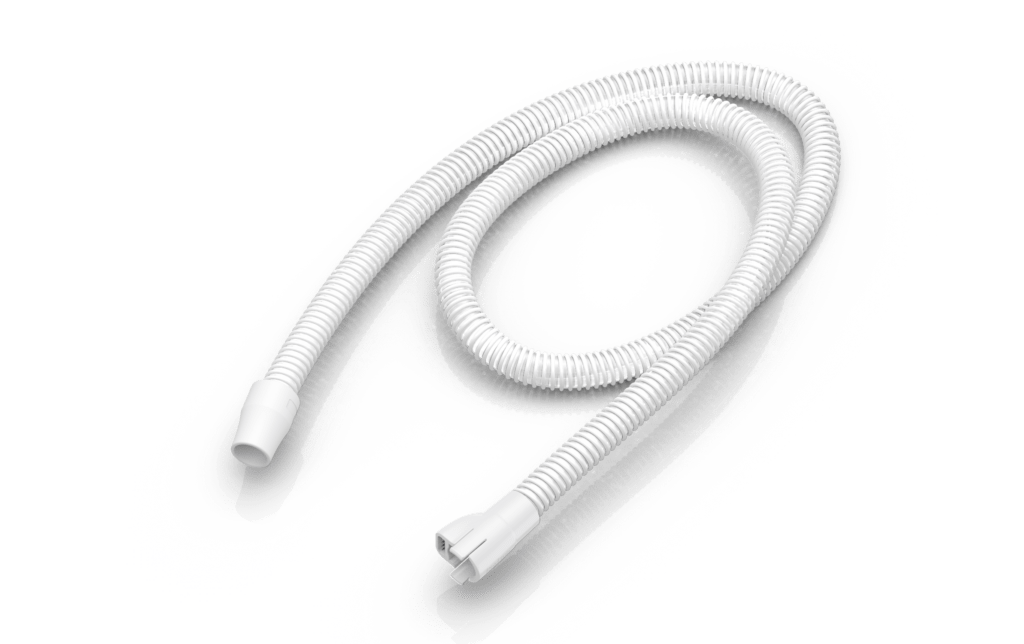
Start with real usage checks: observe sleep or daytime use, review adherence data, and confirm mask fit. Teach one clear maintenance routine and stick with it. Don’t chase every feature if basic usage is unstable — sometimes simpler wins. And document changes; small tweaks to pressure or humidification should be logged so you can see patterns.
Three golden rules for choosing the right system
1) Clinical fit over feature list — prioritize effective synchrony and a mask interface that matches anatomy. 2) Measurable adherence and data access — choose systems that record usage, leak, and inspiratory flow so you can evaluate therapy. 3) Support and service — local training, replacement parts, and clear instructions beat flashy extras every time.
Picking equipment is ultimately about daily life, not specs. Devices like resplus bipap and common cpap device options show that modest design choices — better leak handling, adaptive pressure, clear feedback — make the biggest difference. For teams and families, that means focusing on fit, data, and support rather than chasing the newest gimmick.
Small wins add up. — Byond.