Opening — the problem buyers keep hitting
Buyers tell the same story: they buy trackers and software expecting calm, but the site still fights late loads, blind maintenance, and unclear cost lines. The first question is whether you need systems made for heavy haul or something adapted from lighter work. For small support fleets and supply runs to pits, a focused van fleet management approach often proves the quicker, cheaper fix; for primary haul rigs you need ruggedised telematics and a different data cadence. This piece is problem-driven: identify the precise fault, then match the practical solution buyers can trust.

Common pain: visibility that vanishes after purchase
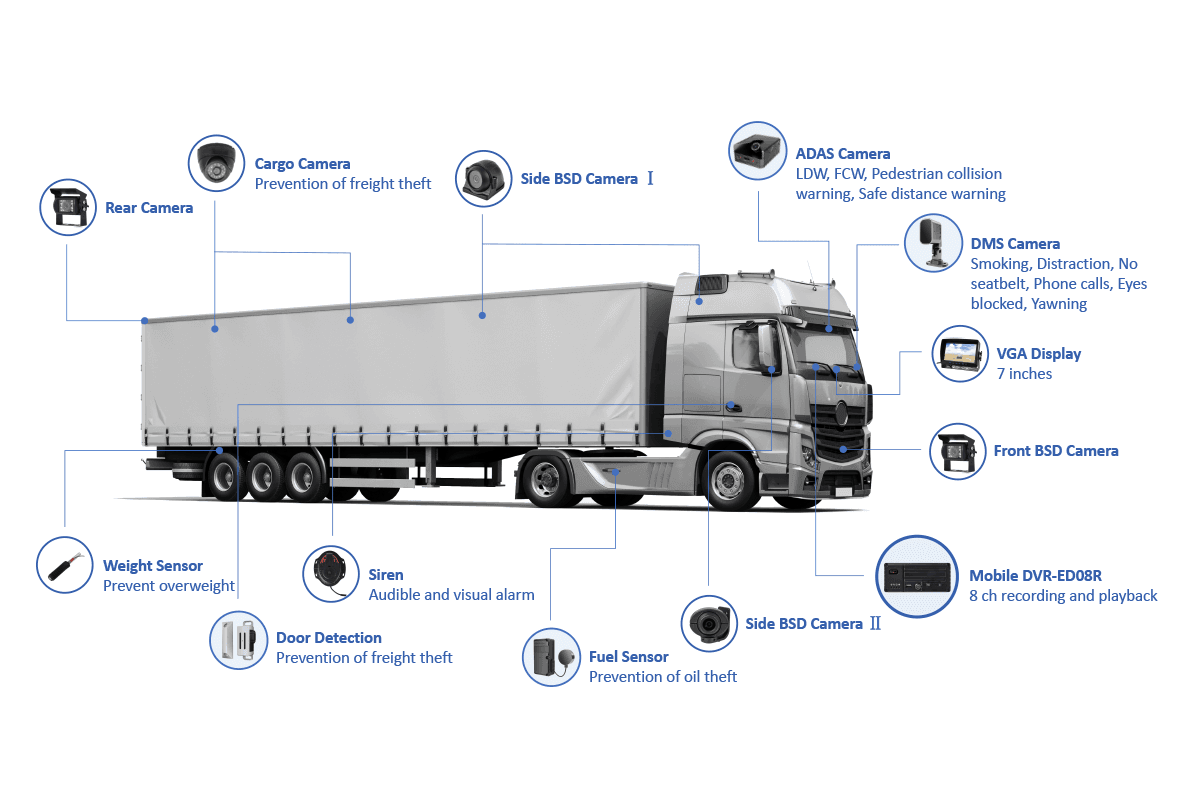
Problem: GPS shows routes but not utilisation, fuel use, or whether a vehicle is operating under heavy load. Answer: insist on telemetry that logs both location and engine parameters, with configurable sampling intervals. Practical checks before you buy:- Ask for a 30-day data export from a live demo.- Confirm the device reads CAN bus for load, RPM and fault codes.- Require geofence and timestamped stop reporting so you can reconcile site logs.A short on-site trial catches systems that look fine in sales decks but fail to record real operations.
Driver behaviour and safety — where buyers underestimate risk
Problem: Speeding, harsh braking and off-route driving increase tyre, brake and fuel costs, yet many systems report only after damage happens. Fix it by combining alerts with coaching. Technical needs:- Real-time alerts for excessive speed and harsh events.- A review workflow so supervisors can assign corrective sessions and record outcomes.Safety data is useful only when it feeds a simple corrective loop; otherwise buyers get reports that sit unread.
Choosing hardware and software — what to prioritise
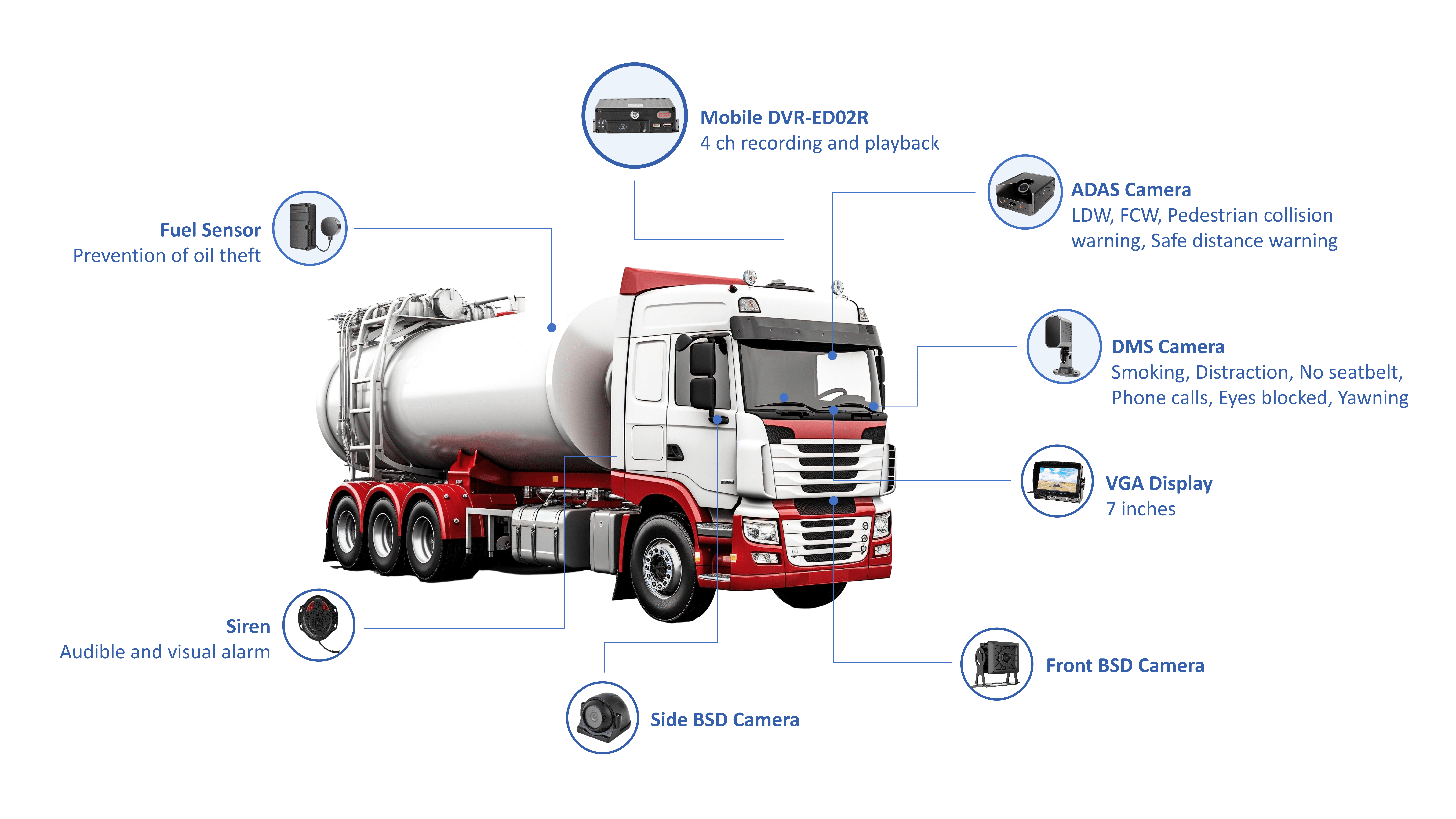
Buyers ask: pick cheap hardware and top software, or the reverse? Priority order:1. Data fidelity — can the device capture the engine and load signals you need?2. Durability — rated for dust, vibration and temperature typical at mining sites.3. Interoperability — open APIs so your planning and payroll systems get the same truth.4. Local service and spares.Feature lists can blind you. Focus on what you will use daily: accurate hours, fault codes, geofencing and exportable logs.
Cost and ROI — sensible calculations
Stop expecting magic. Typical ROI items are lower fuel use, fewer breakdowns, better tyre life, and reduced overtime. Structure ROI conservatively:- Measure baseline fuel and downtime for 60–90 days.- Project modest improvements (5–15%) for conservative buyers.- Include subscription and installation in year-one costs.Buyers who pilot for 90 days see realistic returns and fewer surprises at scale.
Integration and data flow — the practical traps
Problem: vendors export data in proprietary formats or delay API responses. Demand:- REST APIs with documented endpoints.- Batch export options (CSV/JSON) and sample files ahead of purchase.- A clear service-level agreement on data latency.Avoid systems that require manual data stitching; you will lose trust in the reports fast.
Delivery and last-mile relevance — a real-world anchor
Many mining support operations mirror challenges seen in Nairobi’s last-mile delivery operations: tight time windows, unpredictable site access, and a need for clear custody records. For support fleets, apply the same discipline used there — live ETA feeds, proof-of-arrival photos, and chain-of-custody logs — to avoid lost shifts and contested deliveries.
Common technical mistakes buyers make
Buyers often:- Underestimate installation complexity and choose untrained installers.- Accept default sampling rates that miss short trips or heavy load events.- Fail to test alerts during a pilot.Avoid these by writing installation checklists, specifying sampling needs, and running real-condition pilots rather than static bench tests.
Vendor evaluation checklist
When you evaluate vendors, use a short checklist:- Can the device read CAN bus and record fault codes?- Is the hardware dust- and vibration-rated for mine use?- Are APIs documented and sample exports provided?- Do they offer local support and spare units?- Will the system handle geofences and proof-of-service media?Score vendors on these practical points rather than feature count.
Technology options and where delivery tracking fits
GPS-only trackers suit basic location needs. Telematics packages add engine diagnostics and driver events. For support fleets that move parts and samples, include delivery fleet tracking features such as ETA sharing, photographic proof, and route adherence. Choose technology based on the problem you want to solve: visibility, compliance, cost control, or safety.
Final synthesis — what buyers should act on now
Buyers win by matching the problem to the simplest reliable fix: prove the data in live conditions, demand durable hardware, verify API access, and set a corrective process for driver behaviour. If you align technical choices to those clear problems, you reduce guesswork and get a usable system fast. Practical vendors that support trials and local service integrate better with site teams, which is why experienced fleet teams often trust partners like BSJ when they need measured, field-tested solutions rather than glossy promises.