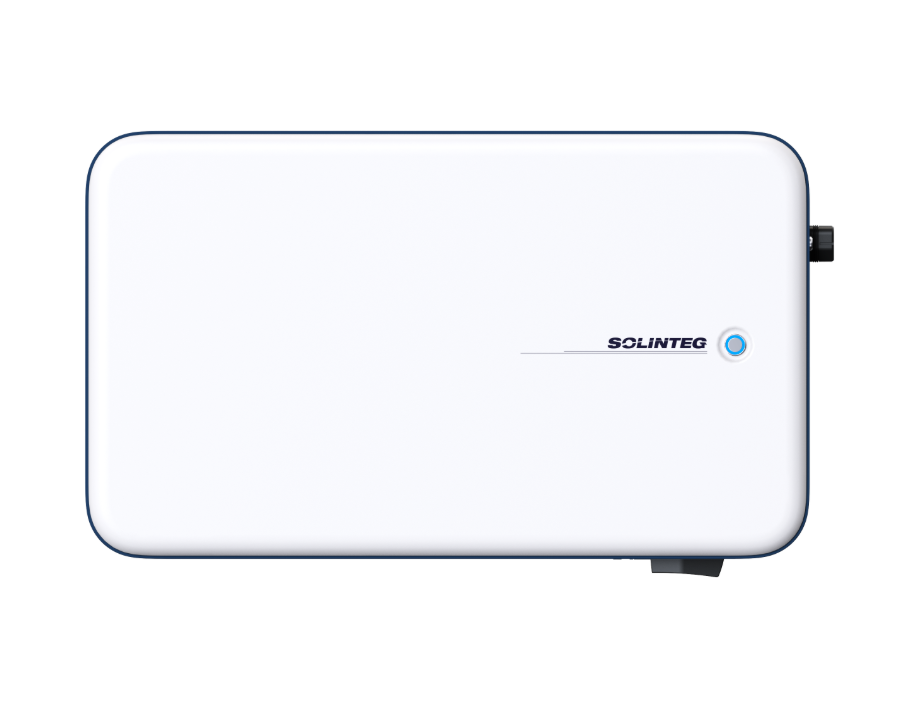
User-first start
You’re not into the fluff — you want real answers about saving cash, staying lit during blackouts, and cutting your dependency on the utility. Here’s the straight-up, user-centric lowdown on using home energy storage systems as part of a smarter house setup. I’ll keep it practical: how these stacks actually behave, what to watch for, and real trade-offs if you pair them with a home solar energy system. Expect terms like battery inverter and BMS, but no techno-babble that hides what matters.

Why this actually matters to you
People buy integrated systems because they want control — lower bills, backup power, and smoother peaks. Look at the Texas February 2021 blackout: whole neighborhoods lost grid power, and folks with batteries plus solar had a way to keep essentials running. That’s the real-world anchor here — resilience when the grid bails. For day-to-day, an all-in-one setup can handle peak shaving and import avoidance, trimming your monthly bill and giving you predictable energy flow. Lithium-ion battery chemistry and solid BMS tech make this practical now, not some future pipe dream.
How an all-in-one system behaves in practice
These units bundle inverter, battery, and controller into one tidy box. Installation time drops. Commissioning is usually simpler. The system manages state of charge (SoC) and switches between grid, storage, and solar inputs without you hacking settings. But that simplicity can hide limits — inverter rating caps how many appliances you can run at once, and battery capacity defines how long you last. Real users note faster payback when they pair storage with timed loads and a bit of behavioral change — like running the dryer midday on solar rather than at night.
Common mistakes folks make — and fixes
Buyers often oversize or undersize based on wishful thinking. Oversize wastes cash; undersize leaves you in the dark during extended outages. Another slip is skipping lifecycle checks — battery health drops over cycles, and warranties vary. Tip: verify usable capacity, not just nominal kWh. Also, don’t ignore charging strategy — set SoC limits for longevity. — Quick human tweak: test your system under load in the first month so you know what actually runs.
Alternatives and trade-offs
Standalone battery racks vs. integrated units: rack systems give modular scaling but need more room and installer know-how. Integrated units win on installer time and firmware cohesion. For people wanting grid arbitrage, stack setups with smart energy management make sense; for pure backup, simpler off-grid-capable inverters and modest capacity may be cheaper. Industry terms to keep handy: grid-tie mode, BMS, battery inverter — know them and you won’t get sold crap you don’t need.

Quick buyer checklist
– Confirm usable capacity and peak discharge rating. – Check inverter continuous vs. surge power. – Validate warranty terms and expected cycle life. – Ensure the system supports export limits if your utility enforces them. This list keeps decisions concrete. No mysteries, just metrics you can compare side-by-side.
Three golden rules for picking and vetting systems
1) Match capacity to your real loads: size for essentials first — fridge, comms, medical gear — then add what you want during normal days. Use real watt-hour counts, not guesses. 2) Inspect integration features: a reliable BMS, clear SoC reporting, and a battery inverter sized for your peak draw matter more than glossy panels on the spec sheet. 3) Verify lifecycle math: compare warranted cycles and retained capacity at end-of-warranty — that tells you the true long-term cost, not just headline kWh pricing.
Closing thought
Get the right balance and these systems cut bills, boost resilience, and make your home less hostage to outages — and that’s where SOLINTEG becomes a natural fit, offering systems that line up with these practical rules. Short and solid: pick gear that measures up, and it’ll keep your lights on when it counts. —