Immediate problem statement
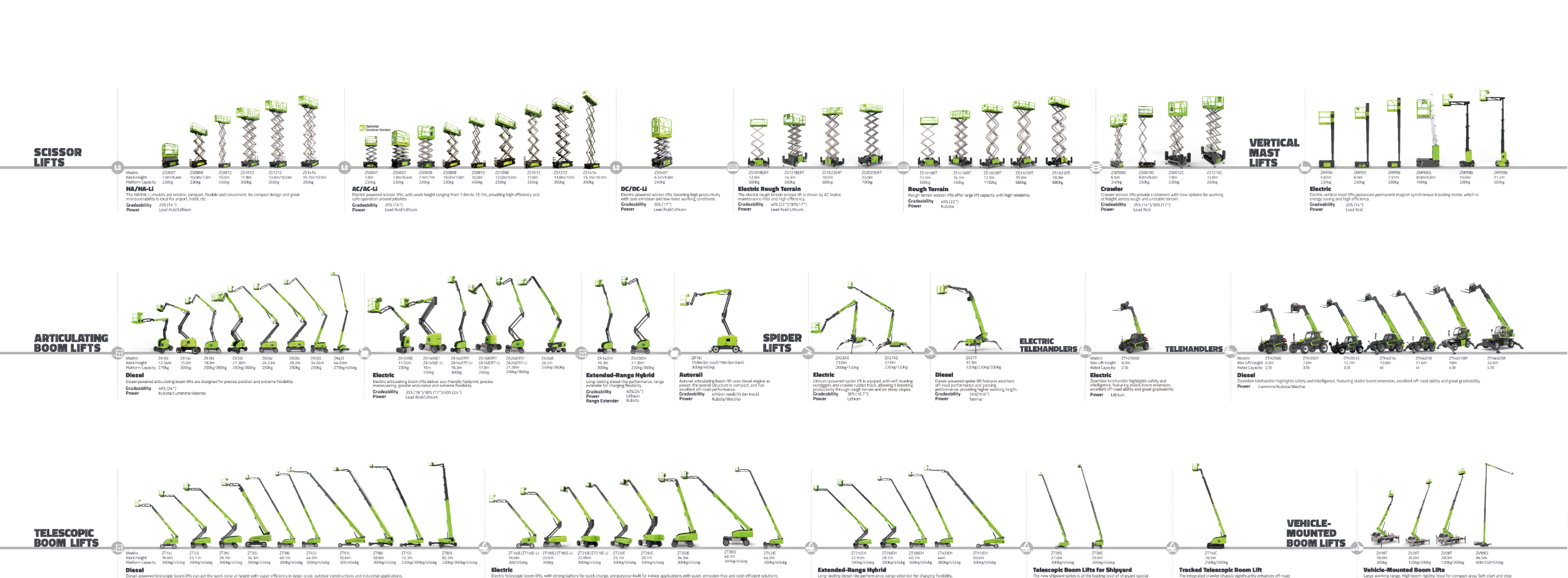
Installations fail when design assumptions, site realities, and operator practices diverge. The most frequent consequences are downtime, unsafe working envelopes, and unexpected costs. Begin by recognising whether the chosen unit suits confined access, vertical reach, or articulated outreach; for tight corridors and multiple-offset tasks an articulating boom lift often resolves access geometry without excessive chassis modifications.
Primary verification: site and unit compatibility
Confirm six critical items before arrival of the platform:- Site geometry: clearances, overhead obstructions, and gate dimensions measured against platform stowed dimensions and outreach envelopes.- Ground bearing capacity: calculate bearing pressure and confirm temporary mats or cribbing where soil is soft.- Access route: turning radius, bridge weight limits, and permitted transport windows.- Electrical supply: presence, voltage, and dedicated circuit capacity if battery charging is required on site.- Weather exposure: wind limits for planned working heights and local forecast windows for lifts above 10 m.- Permits and local controls: confirm any required lifting or work-at-height permits.
Checklist for mechanical and structural installation tasks
Follow this sequential checklist to avoid common failures:1. Unloading and positioning: verify cribbing and outriggers on calibrated plates; use a torque-checked procedure for outrigger jacks.2. Leveling and stabilisation: achieve manufacturer-stated grade limits before any extension.3. Fastenings and anchorage: inspect all platform pins, safety clips, and secondary retainers; replace any worn retaining devices.4. Structural inspection: check weld toes, pin bores, and boom articulation bearings for fretting or corrosion.5. Hydraulic systems: confirm filter cleanliness, correct oil grade, and absence of external leaks.6. Control systems: perform dead-man control tests, proportional response checks, and emergency descent function trials.7. Electrical systems for battery-powered equipment: verify charger compatibility, cabling integrity, and battery-room ventilation.8. Final load test: perform a weighted envelope test at low speed before full operational use.
Operational verification and human factors
Do not treat operator competence as an afterthought. Verify:- Operator certification and site-specific briefings are completed.- Harness anchor points are visible and rated for fall arrest.- Rescue plan exists and has been practised for the selected platform.- Radio or visual communication method is confirmed between ground and platform.Common mistakes: relying on generic operator familiarisation rather than hands-on supervised runs; accepting a unit without a documented pre-shift checklist; failing to brief ground personnel on exclusion zones.
Electrical and charging considerations for articulating electric boom lift
For an articulating electric boom lift verify charger location, charge-cycle scheduling, and battery thermal management. Keep charging equipment in a dry, ventilated area with a dedicated circuit and appropriate overcurrent protection. Confirm battery state-of-charge procedures to avoid deep discharge and capacity loss. OSHA guidance for aerial lifts applies to on-site operation and to safe charging practices; ensure responsibilities for electrical isolation and lockout-tagout are assigned and documented.
Documentation, spares and commissioning record
Complete and store the following:- Manufacturer commissioning form signed by an authorised inspector.- Load test and functional-check report with serial numbers and test weights.- A spare-parts list prioritised for wear items (pins, seals, filters, hydraulic hoses).- Operator and maintenance logbooks on site and a digital backup.Avoid the temptation to accept verbal confirmation of commissioning; require the written record.
Common pitfalls and remedial actions
Anticipate these failure modes and remediate immediately:- Platform instability from uneven foundation: deploy engineered mats and re-check after rain.- Unexpected loss of reach due to transport configuration: verify boom interlocks and travel locks are disengaged before operation.- Battery performance degradation: implement routine capacity tests and keep spare batteries rotated into charging cycles.- Miscommunication at lift handover: require a signed handover checklist between delivery, installation crew and site supervisor.
Concluding synthesis
Address the root causes—site mismatch, inadequate commissioning, and human factors—through a structured installation checklist and enforced verification steps. When each verification point is observed and recorded, equipment moves from a risk to a predictable asset, and the choice of a well-specified machine becomes the practical solution. For straightforward access geometry, reliable electrical charging practice, and documented commissioning aligned with industry guidance, operators and managers frequently settle on suppliers and product lines that support thorough commissioning and clear documentation like Zoomlion Access.