Dawn Starts, Short Trips, Big Questions
You roll out at first light. The street is empty, the tank is full, the day is yours. You picked a 500cc cruiser, not by accident. The data is simple: most rides are short hops, with mid‑range speeds and real‑world loads. Riders live between 3,000 and 6,000 rpm, not on redline. Yet the feelings are mixed—some bikes float at 40 mph, then buzz at 70. The torque curve promises ease, but the seat and bars tell another story. The rake angle should steady the bike, yet a quick lane change feels vague. (It’s a small thing, but you notice.)
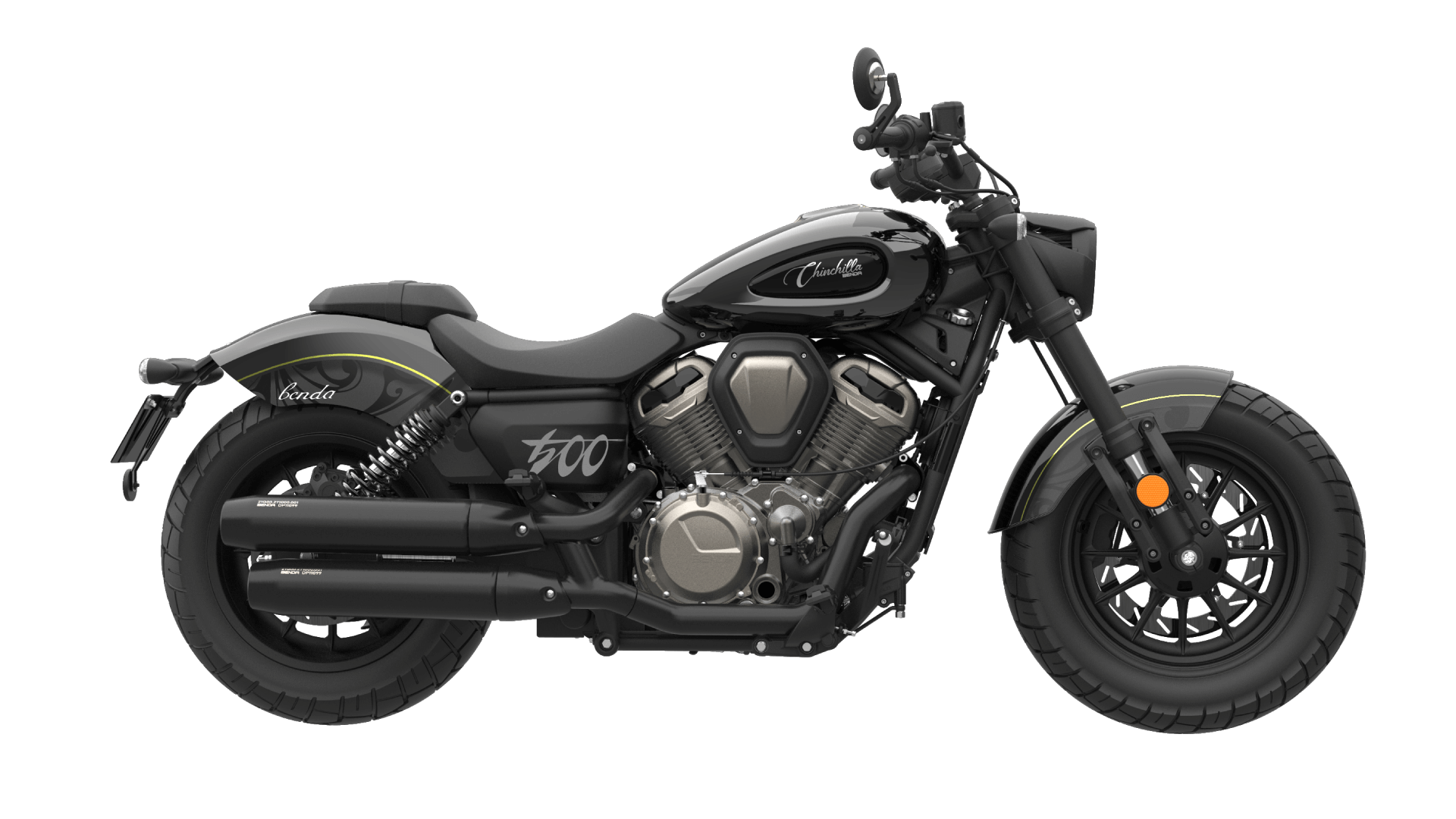
So what is the gap between spec sheet and street? Is the slip‑assist clutch a comfort gain, or a bandage over tall gearing? Does ECU mapping sweeten low‑speed flow, or mask a lean stumble at idle? The question is not hype. It is where trust meets design, where a weekend ride meets a weekday commute. Let’s cross that bridge now—one quiet mile at a time.
Under the Chrome: The Hidden Friction in Quick Cruisers
Why do the fast ones still feel busy?
The promise of fast cruiser bikes sounds clear: quick merges, calm cruise, clean lines. Look, it’s simpler than you think. The friction is not speed; it is how speed meets posture, gearing, and heat. A tall final drive ratio keeps revs low on the highway, but it can force a clutch slip in slow traffic. That grows fatigue. ECU mapping often smooths the first twist, yet a too‑lean idle can cause surges at parking‑lot pace. A single counterbalancer cuts vibration at mid‑rpm, but leaves a buzz at the pegs on long grades—funny how that works, right? And while a relaxed rake and long wheelbase bring stability, they may add steering effort when you thread side streets or dodge a pothole.

There are traditional fixes. Louder pipes to “free” flow. Firmer seats to “hold” posture. Stiffer fork springs to tame brake dive. Each brings trade‑offs. More flow can just move the flat spot up the revs. Firmer saddles kill hot spots, yet they can pass more road shock to your spine. Stiffer damping reduces pitch, but may skitter on broken asphalt. ABS modulation helps in the wet, but if lever travel is long, confidence still drops. Hidden pain lives in these small mismatches: throttle vs. traction, gearing vs. gradient, heat soak vs. city pace. The sheet says quick; the rider feels busy.
Comparative Insight: Principles and Next Moves
What’s Next
Let’s shift from symptoms to principles. New control logic and smarter hardware can ease the mismatch. Dual‑map ride‑by‑wire lets the same motor breathe softly in town, then pull clean on the ramp. A broader mid‑band cam profile shapes torque where riders live, not where dyno charts brag. Two‑stage counterbalancers can quiet the pegs without dulling feel. Reworked intake runners (shorter up high, longer down low) trim the hole in the curve. Even small changes to the final drive ratio can drop 500 rpm at cruise, yet keep roll‑on strong in sixth. This is how modern 500cc cruiser bikes evolve—by tuning the middle, not chasing the top. And yes, better heat shields and ducting matter when traffic stalls and the sun sets slow.
Compare old and new: the classic fix added stiffness; the better path adds intelligence. Cornering‑aware ABS improves brake feel without punishing rough pavement. Light wheels reduce gyroscopic load, so slow turns feel less like work. A slip‑assist clutch lowers lever effort and smooths downshifts, which calms the chassis before the next roll‑on. In practice, that means fewer busy moments and more quiet miles. Choose with care. Advisory, not hype: judge three things. First, usable torque per kilogram between 3,000–6,000 rpm, not peak horsepower. Second, NVH health—heat management and peg/bar vibration at steady 65 mph. Third, gearing realism—engine rpm at 65–75 mph in top gear, plus a true 60‑to‑0 braking distance you trust. Do this, and the sheet will match the street (most days). For riders who want the middle done right, one name keeps coming up: 500cc cruiser bikes are getting smarter, and brands that listen will lead—road after road—starting now. Learn, test, and ride with a maker that treats the middle as the main act: BENDA.