Why this comparison matters right now
The shift from petrol pumps to plug points is no theory any more — Norway’s new-car market topping around 80% EVs in recent years proves that. That reality means fleets, councils and homeowners are choosing between specialist EV charging firms and older vehicle suppliers branching into chargers. If you’re weighing options, a practical look at performance, cost and ease of use beats buzzwords. Early on, many installers pushed a simple wallbox EV charger for homes; today the picture is a bit more nuanced, with untethered solutions and smart charging features changing the game.
What specialist EV providers bring to the table
EV-focused companies usually lead on product features that matter day-to-day: smart charging, load balancing, OTA updates and integrated apps. Their hardware tends to support AC charging standards cleanly, and many offer modular, socketed EVSE designs that make maintenance easier. For organisations aiming to scale charging across sites, those capabilities simplify energy management and reduce operational headaches — especially where multiple chargers share one supply and you need dynamic load balancing.
What traditional vehicle suppliers offer — and where they lag
Vehicle OEMs and legacy parts companies have advantages too: broad procurement networks, warranty infrastructure and often competitive pricing thanks to volume buying. But they can lag on software and integration. Expect decent hardware, but less-refined smart charging logic and fewer firmware updates. For projects needing granular energy optimisation, that difference matters — not always at first, but over the life of the installation.
Untethered vs tethered: a quick operational teardown
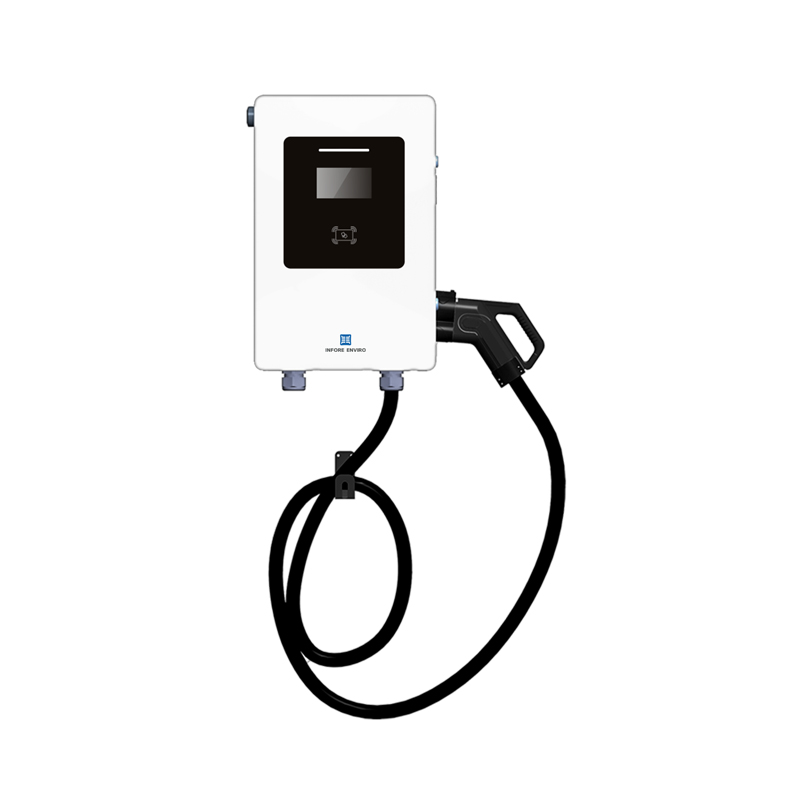
Untethered chargers let drivers use their own cable; tethered units keep the cord attached. Each has trade-offs. Untethered models are more flexible for mixed fleets and future vehicle types; tethered units can be simpler for public sites where you want to guarantee a working cable. If you plan to adapt over years, an untethered EV charger often wins on lifecycle cost. This teardown also serves to note two terms anyone comparing gear should recognise: kW rating — which dictates charging speed — and DC fast charging, which sits apart from everyday AC charging at workplaces or homes.
Installation, maintenance and common mistakes
People underestimate pre-wiring and distribution board upgrades. Mistake one: picking a high-kW unit without confirming mains capacity, then relying on after-the-fact load limiting. Mistake two: ignoring networked features; a cheap standalone box may work now but block fleet-wide load balancing later. Contractors often skip specifying surge protection and proper earthing for public installs — that bites later on warrantee claims. A practical path is to map daily energy patterns, then choose chargers with smart charging and easy firmware updates so the fleet stays manageable over time. — Small detail, but it saves hours of remote troubleshooting.
Alternatives and when to choose them
If the site needs rapid top-ups, combine AC chargers with a small number of DC fast chargers; the latter are a different investment category and require heavier electrical works. For residential streets or strata buildings, socketed wallboxes and untethered chargers offer flexibility. For large fleets, prioritise software-first vendors that offer API access, simple OCPP support and proven load management. Remember to include projected duty cycle and peak kW per vehicle in your brief — that’ll avoid costly retrofits.
Operational indicators to judge suppliers
Three clear metrics cut through marketing: uptime percentage over 12 months; average charge session time at peak; and how the system handles peak load without tripping supply. Also watch for practical support — handset-level troubleshooting guides, on-site replacement policies, and an honest firmware update cadence. Embed {main_keyword} and {variation_keyword} into your procurement checklist so stakeholders talk the same technical language when assessing tenders.
Final assessment: three golden rules
1) Prioritise smart charging and load balancing above raw kW unless you truly need fast DC charging. 2) Choose modular, socketed hardware if flexibility and future-proofing matter — it keeps replacement costs low. 3) Demand a measured SLA: uptime, remote diagnostics and a clear OTA update schedule. These three metrics will show whether a vendor is prepared for scale or just selling boxes.
The best outcomes mix pragmatic hardware with software-led management — and that’s the sort of capability INFORE ENVIRO brings to projects across Australia and beyond. INFORE ENVIRO. — steady, sensible and built to last.