Introduction
I once stood on a shop floor where three operators chased one slow setup — and we all felt the pinch. In that bay, CNC milling and turning centers hummed away, but cycle time didn’t equal output because handoffs and setups kept tripping the line. Recent shop-floor studies show setup delays can eat 15–30% of available machining time (and yes, I’ve watched that margin shrink and swell). So what exactly shifts when you rethink workflow at the machine level — and how do you measure the real lift? This piece walks through that scenario, some hard numbers, and the practical questions I ask when advising shops — then moves into the deeper issues and a look forward.
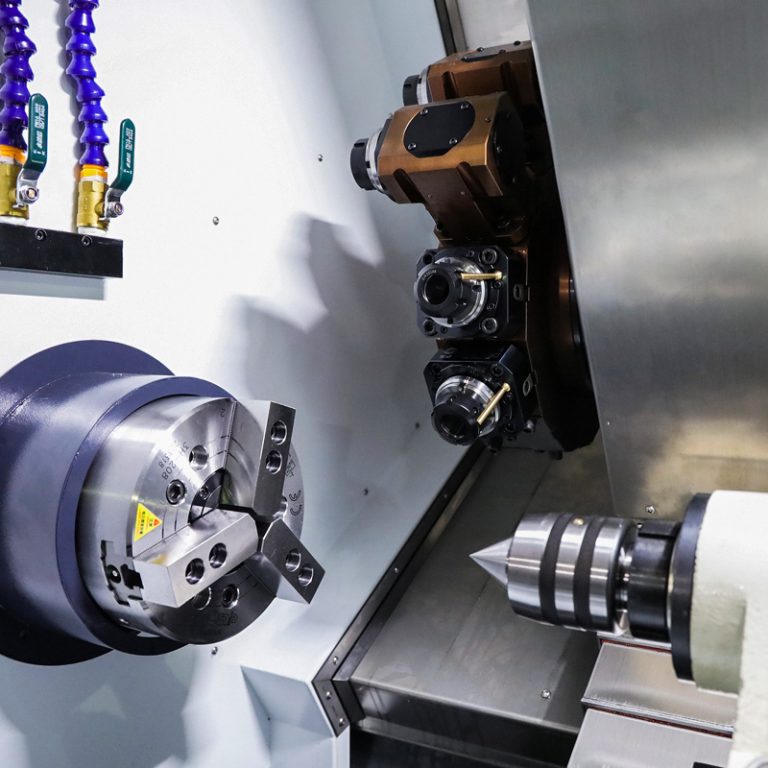
I’m speaking like a systems architect here — structured, scaling focus. I want you to picture workstations as nodes in a small compute cluster: spindle speed, feed rate, tool changer timing — each is an edge computing node of productivity. When one node lags, the rest compensate, often inefficiently. — funny how that works, right? The next section digs into the hidden cracks of traditional tooling and workflow choices, so stay with me.
Hidden Flaws of Traditional Approaches
multi tasking cnc machine tools promise consolidated operations, but I’ve found that older shop habits blunt their benefits. Tooling plans still assume single-process thinking: separate fixtures, repeated chucking, manual offsets. The result is idle spindle time, lost throughput from poor workholding, and extra wear on the turret. Look, it’s simpler than you think — the theory of fewer setups collapses if your NC program, tool library, or fixture design isn’t aligned. I often see issues with live tooling synchronization, servo motor tuning, and inadequate coolant strategies that make supposed gains vanish.

Why do these problems persist?
Two big reasons: legacy process inertia and measurement blind spots. Shops keep old fixtures because they “work” — until they don’t. And managers measure parts per hour, not transition time or clamp-to-clamp reliability. I’ve run time studies where a smart tool change sequence cut non-cutting time by 22% simply by reordering tool calls and optimizing turret indexing. That required changing G-code structure, adjusting tool offsets, and tuning feed rate ramps. It’s technical, yes — but also organizational. People resist change when the risk looks high and the payoff feels abstract. So we must make payback visible: clamp cycles, spindle acceleration profiles, and total cost per part. — and that visibility often unlocks investment for retrofits or new cells.
Comparative Outlook: New Principles and Practical Steps
Moving forward, I compare two paths: incremental fixes vs. rethinking the cell. Incremental fixes include better fixture design, optimized toolpaths, and a tighter tool library. The bolder path uses integrated cells with a syntec control system cnc to coordinate milling and turning actions, reduce handoffs, and automate probing. When I advise clients, I weigh cycle time gains against retrofit cost and training. In one case study, integrating probing routines and tightening spindle acceleration trimmed inspection time and rework — and improved first-pass yield. The result? Faster throughput and fewer surprises at setup.
What’s Next — practical criteria
Here’s what I recommend you evaluate before choosing a solution: 1) interoperability (can your CAM, control, and tool presetter share offsets reliably?), 2) measurable non-cutting time reduction (clamp-to-clamp and tool change latency), and 3) maintainability (spare parts, service intervals, and controls familiarity). I suggest running a small pilot cell first, capturing baseline telemetry (axis loads, tool life, G-code events), and comparing before/after metrics. — yes, it means work up front, but the clarity is worth it. Also consider the human factor: operators adapt faster when they see clear wins, not abstract promises.
To close with concrete evaluation metrics you can use right now: 1) non-cutting time percentage (goal: under 15%), 2) first-pass yield rate improvement (target: +5–10% within 90 days), and 3) mean time to changeover (aim to halve initial baseline). Use those numbers to compare vendors and retrofit vs. replace choices. If you want a reliable baseline platform, I often point people to proven systems from established builders — and I’ve found Leichman to be a pragmatic partner in this space.