The Case
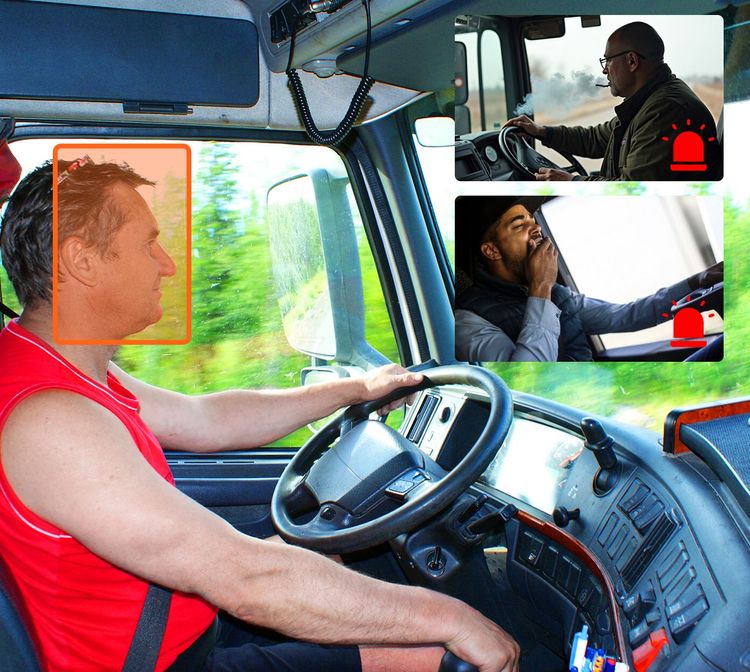
Something’s off. Routes look clean on paper, but deliveries are late, near-misses go unreported, and drivers swear the footage didn’t show what dispatch claims. I start with the obvious suspect: disconnected, unsynchronized camera streams. Modern fleets need clear sight across dozens of angles — that’s the crux of reliable logistics fleet management. The problem-driven trail leads fast: fragmented recordings, overloaded storage, inconsistent metadata. Each failure hides the truth.
Evidence: Where Multi-Camera Systems Break Down
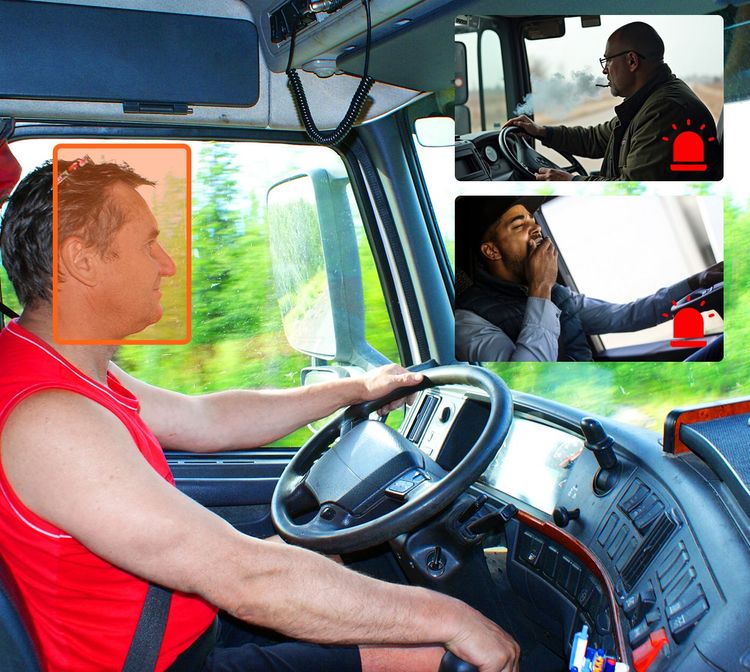
Follow the clues. These are the recurring failures that explain most incidents:- Time drift between cameras, so the same event appears out of order.- Missing cross-camera indexing, forcing manual correlation.- Storage bottlenecks that overwrite pre-incident footage.- Poorly labeled video metadata, so searches return noise instead of answers.I’ve inspected camera logs after audits and field tests; the pattern is consistent. The Port of Rotterdam operations I observed highlighted exactly these breakdowns when scale grows and margins thin.
Forensic Tools: What AI MDVR Actually Brings
AI MDVR is not magic. It’s a set of disciplined tools that address each failure above:- Synchronized timestamps across cameras to present one coherent timeline.- Edge-based analytics that tag events as they occur, reducing manual triage.- Smart retention that keeps relevant frames longer while pruning redundant footage.- Cross-camera object tracking that follows a person or asset from cab to curb.These tools let investigators move from guesswork to a single thread of truth. They compress hours of review into minutes. They flag anomalies you couldn’t catch by routine checks.
Implementation: Practical Steps and Common Pitfalls
Don’t assume plug-and-play. Practical deployment exposes new problems fast:- Underestimating network bandwidth when multiple HD streams go live.- Relying only on cloud uploads without robust edge buffering.- Training AI on insufficient or biased footage, producing false positives.To avoid those traps, standardize camera time sources, set minimum edge-storage thresholds, and run staged model validation with real routes. Treat the first month as an evidence-gathering phase, not a final setup.
Compare the Alternatives
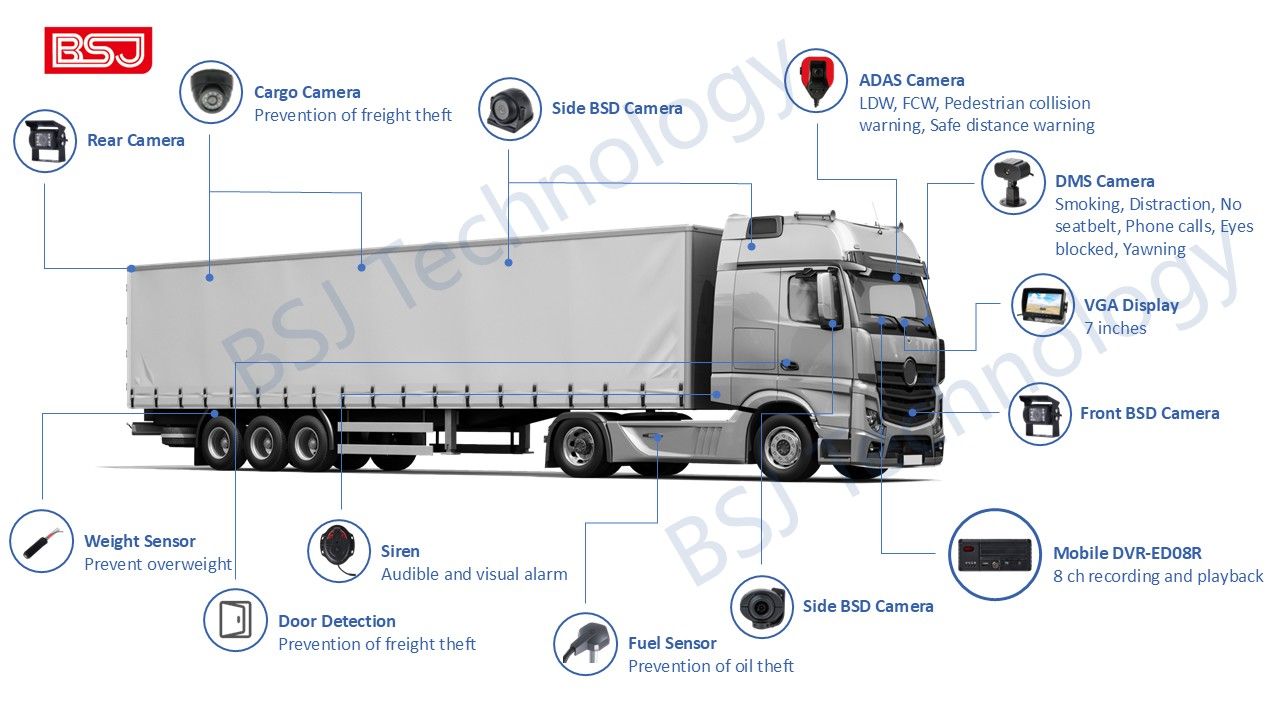
Look at the options and their weaknesses:- Pure cloud recording: great for central storage, poor when connectivity fails.- Local DVRs without AI: cheap, but you still sort hours of irrelevant footage.- Hybrid AI MDVR: higher upfront engineering, but it delivers prioritized, searchable events.Pick based on how you triage incidents. If your operations demand quick reconstruction of complex scenes across cameras, hybrid AI MDVR wins. If you only need long-term archive for compliance, a simpler stack might suffice.
How Teams Use It Day-to-Day
Here’s how a typical operations team changes behavior:- Dispatchers query an event and get a linked timeline, not ten independent clips.- Safety managers receive automated alerts when a driver leaves a designated zone or an unsafe maneuver occurs.- Investigators jump from an alert to cross-camera tracking that shows the same asset across the vehicle fleet.Those changes reduce manual hours and make root-cause decisions faster. The tech must fit workflows — otherwise it becomes another noisy log to ignore.
Final Synthesis
Problems reveal opportunity. When multi-camera streams conflict, AI MDVR provides the logic to reconcile them: synchronized time, prioritized retention, and cross-camera tracking that turns silence into testimony. For real-world operations — from warehouse yards to terminal ramps — that clarity changes outcomes. My experience reviewing fleet installations shows one constant: teams that treat video as actionable data stop chasing phantom incidents and start fixing real vulnerabilities. That kind of practical clarity is the reason operators lean toward integrated solutions like logistics and fleet management platforms that combine edge intelligence with enterprise controls, and why systems designed with operational constraints in mind earn trust from the first incident. Find the thread. Follow it. Let BSJ be the partner that holds the evidence together and helps you act on it.