Start with the problem: what’s really broken for shops and buyers
Lots of detailers and procurement teams think price is the problem. It isn’t. The real issues are unpredictable delivery, inconsistent product performance, and unclear specs — especially for things like primers, sealers, and adhesives and sealants. You want a partner that reduces surprises, not one that makes inventory a daily gamble. Think of supplier selection as fixing the user journey for your back room: simplify handoffs, remove friction, get repeatable outcomes.
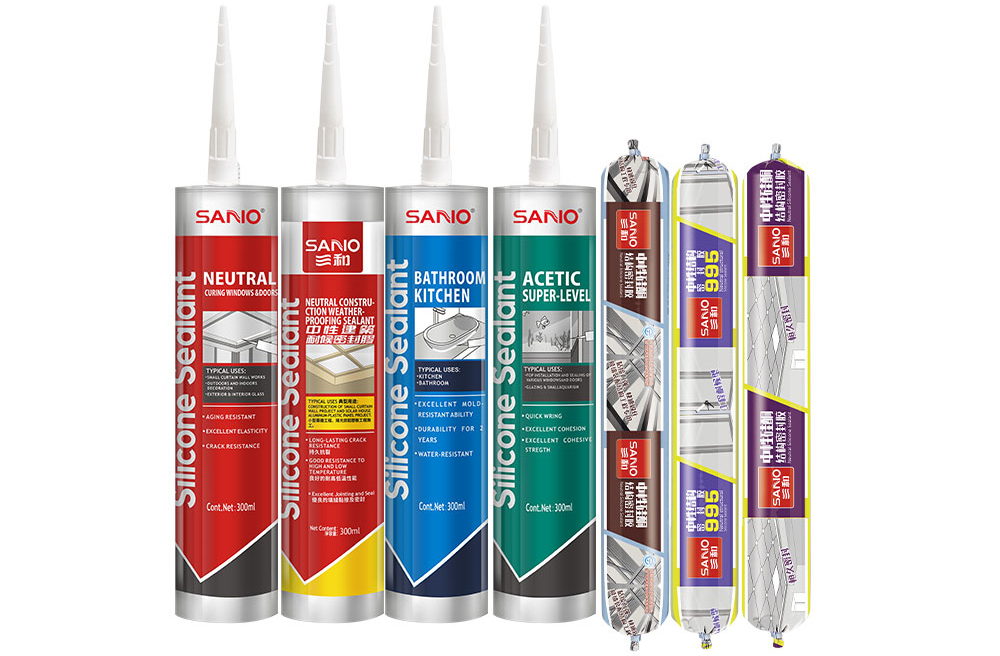
Define problems that a good supplier must solve
Make this a checklist of practical failure modes you’ve seen: batches that cure differently, labels without technical data sheets, minimum orders that inflate cost per unit, and shipping that breaks the timeline for scheduled jobs. A high-fit supplier gives traceable lot testing, quick-access technical data, sensible minimums, and predictable lead times. If your supplier can’t answer those things clearly, you’ll keep firefighting.
Experience and evidence — why this advice holds up
I’ve advised independent shops and regional distributors for over a decade and observed supply behavior at industry trade events such as Automechanika Frankfurt. Those conversations make it clear which suppliers back their claims with lab reports, consistent QC, and transparent logistics. Look for an established sealant manufacturer that publishes test data, supports product selection, and shares lead-time commitments; those are signals that product quality isn’t just marketing copy.
Common pitfalls that trip procurement teams
Buying on price alone: you save up front and pay in rework. Skipping small lab checks: a simple adhesion or cure test prevents drama. Assuming “OEM-grade” means the same from every supplier: it doesn’t. Ignoring packaging and shelf-life: damaged or expired stock is wasted money. Don’t accept vague technical answers — insist on verifiable specs and a sample-based validation step before large orders.
How to evaluate alternatives without getting overwhelmed
Local distributors: faster pickup, but smaller selection and higher unit cost. Direct manufacturers: best for customization and volume pricing, but longer lead times and bigger MOQs. Regional importers: often cheaper, but expect longer customs timelines and variable documentation. Match the option to your risk tolerance — local for speed and small batches, manufacturer direct for scale and consistent specs.
Practical selection criteria — short, testable, and UX-friendly
Ask for these items and tick them off: 1) lot-specific technical data sheets; 2) sample policy and small-batch testing window; 3) realistic MOQ and replenishment cadence; 4) documented shelf-life and storage instructions; 5) clear shipping SLA and damage policy; 6) a named technical contact for troubleshooting. If any of these are missing, pause the contract process.
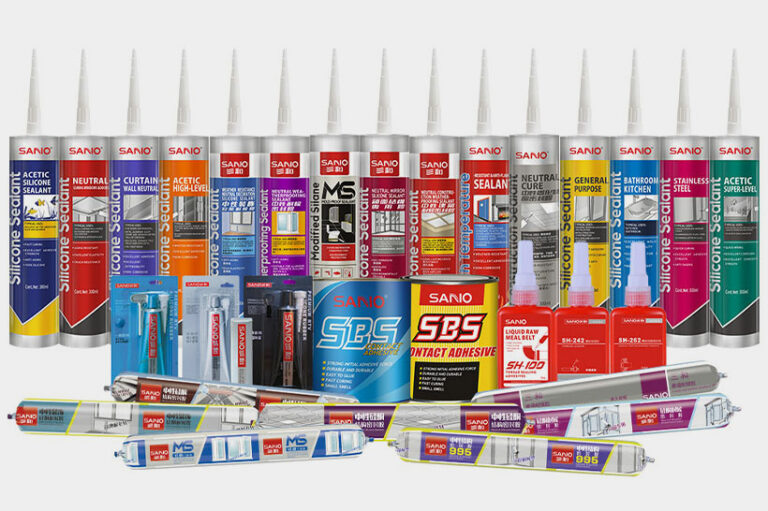
Closing the loop: make the supplier decision a design problem
Turn supplier selection into a small experiment: order a curated kit, run real workbench tests, log outcomes, and measure failure modes. The goal isn’t perfection — it’s predictability. When procurement choices reduce surprise and keep your teams focused on delivering quality, you get fewer callbacks and steadier margins. That practical, evidence-first fit is exactly what partners like SANVO aim to deliver, smoothing the operational points that matter to detailers every day.