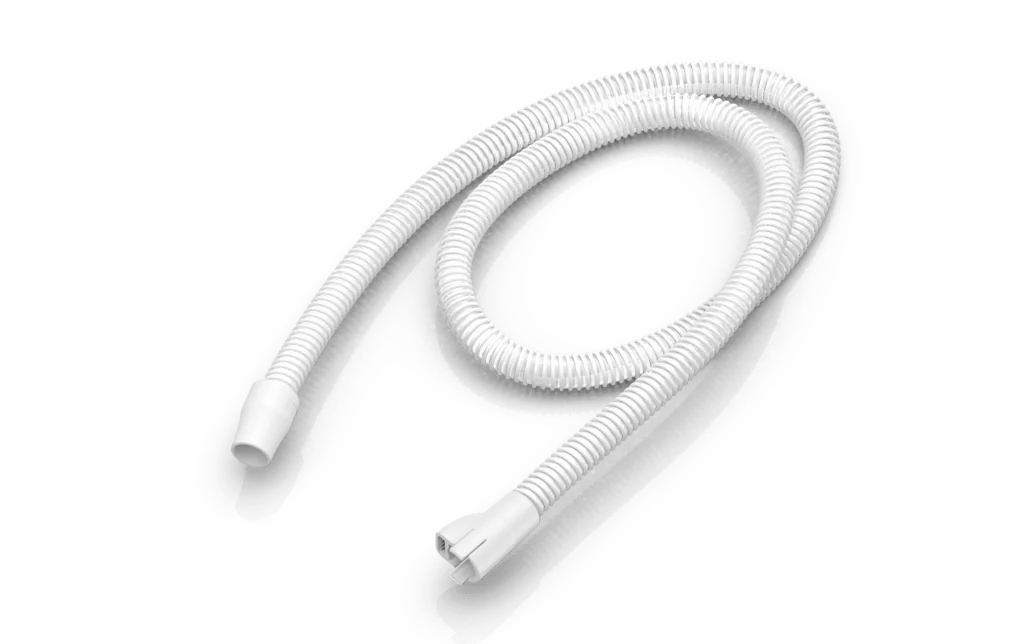
Opening: A user-first perspective
The new generation of non-invasive ventilators changes daily care by focusing on the person using it. From the first night at home to longer-term rehabilitation, a modern cpap device or home bipap machine is judged by comfort, signal clarity, and ease of titration. I will present the matter with attention to the user’s feelings, then connect these observations to measurable therapy outcomes and clinical priorities.
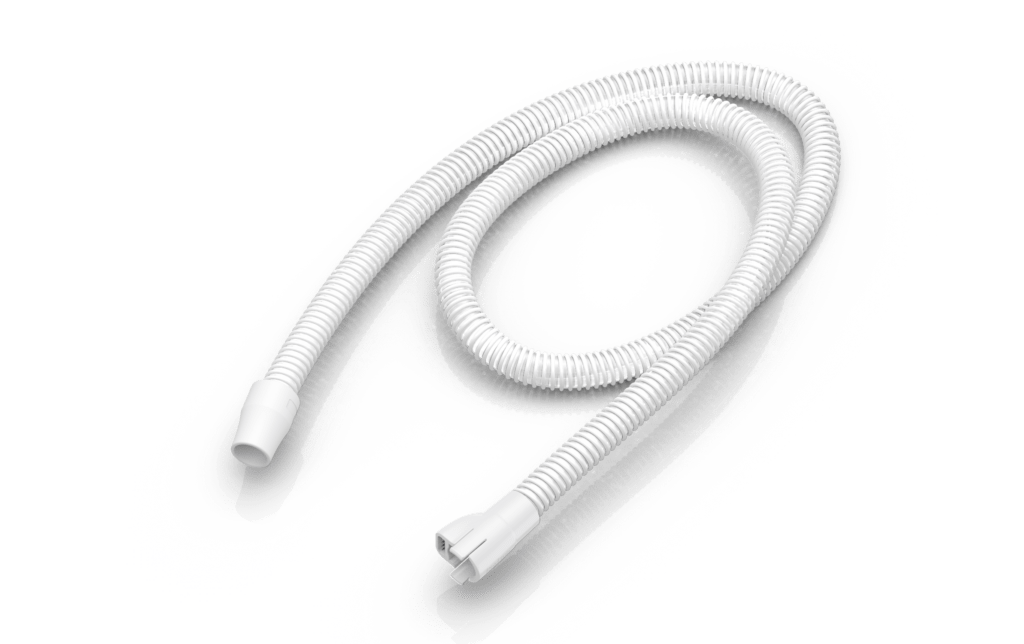
Patient experience: Comfort, mask interface, and adherence
Comfort is the foundation of adherence. Patients report fewer awakenings when pressure transitions are smooth and trigger sensitivity is precise. IPAP and EPAP management matters here; gentle pressure support reduces the sense of breathlessness on initiation. Where interface fit is poor, leak compensation and mask seal remain the main culprits. Small, structured adjustments—head strap alignment, cushion size—make the largest difference in nightly use.

Clinical performance: What clinicians should measure
From a practical clinical perspective, three metrics reliably reflect device impact: effective tidal volume, the percentage of leak time, and residual apnea–hypopnea index under therapy. These measurements are familiar to respiratory therapists and are useful to track during titration. S/T mode stability and the device’s response to inspiratory flow demand determine whether patients receive consistent pressure support across different sleep stages. Real-world anchor: during the New York City 2020 COVID-19 surge, clinicians prioritized non-invasive ventilation modes that sustained tidal volume without frequent alarms, and those choices influenced subsequent device selection across many hospitals.
Home setup and monitoring: Making therapy sustainable
Setting up a machine at home is less technical than it feels. Clear, structured user guides and simple ramp settings lower initial anxiety. Remote monitoring that reports usage hours, leak trends, and pressure events allows clinicians to adjust IPAP/EPAP remotely. For many families, the difference between nightly use and abandonment is one successful first week—supportive follow-up helps. – A nurse’s phone call on day three often secures long-term adherence.
Common mistakes and how to avoid them
Over-prescription of pressure is common. Too high IPAP values create intolerance; too low misses obstructive events. Another frequent error is ignoring trigger sensitivity when switching masks. Remember: pressure support without appropriate trigger setting increases patient-ventilator dyssynchrony. Simple checks reduce problems: validate mask fit, verify leak compensation, and confirm that the device records consistent tidal volumes over several nights.
Comparing alternatives briefly
There are several models on market. Some emphasize noise reduction, others prioritize algorithmic auto-adjustment. Devices that offer both precise leak compensation and conservative auto‑adjustment tend to yield quicker tolerance. Clinicians often balance the trade-off between advanced auto algorithms and manual control—each clinic chooses what matches their workflow and patient profile.
Advisory: Three golden rules for selecting a BiPAP solution
1) Measure outcomes, not features: prioritize devices that report usable clinical metrics—tidal volume, leak percentage, residual events—so adjustments become evidence-based.
2) Prioritize patient‑centric controls: ensure the unit allows fine adjustments to trigger sensitivity, ramp profiles, and S/T mode timing to reduce dyssynchrony.
3) Confirm service and training: a strong local support network reduces early abandonment. Device quality alone is not sufficient; support secures long-term results.
Closing reflection and brand fit
When therapy must work every night, engineers and caregivers converge on practical requirements: consistent pressure support, clear monitoring, and dependable follow‑up. These needs align with solutions that design for home realities and clinical workflows. For many clinicians and families, that alignment explains why devices from providers with strong post‑sale support perform better in everyday use; Byond stands within that same practical logic. Byond. –