Comparative overview: architectures and the business case
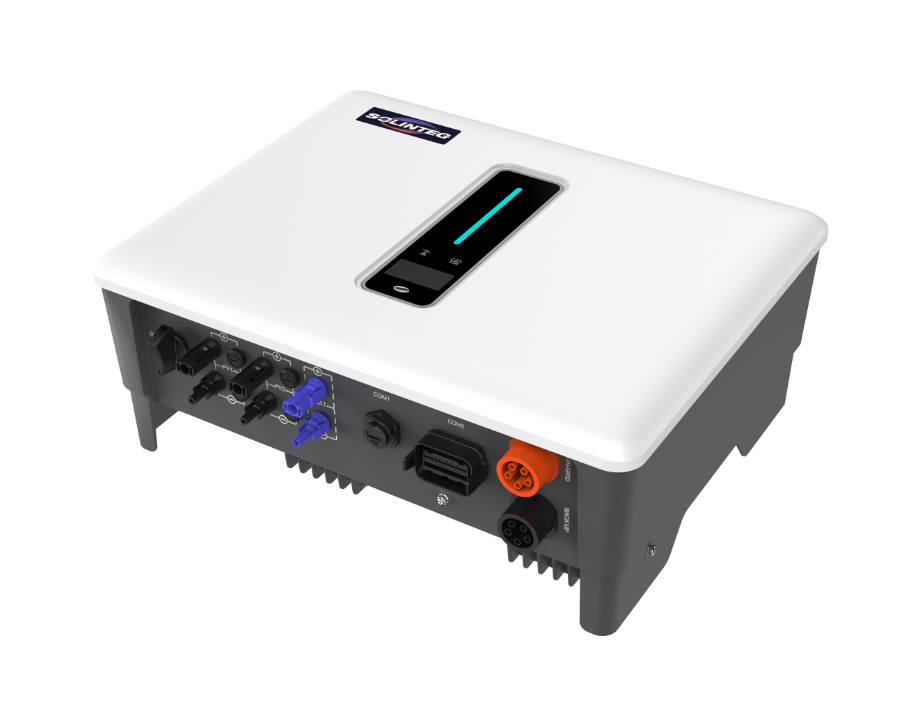
When organizations specify solar for commercial use, the choice rarely comes down to panels alone. The decisive comparison is between grid-tied systems, off-grid/standalone setups, and hybrid architectures that combine generation, storage, and smart control. For many mid-size and large businesses the practical middle ground is a hybrid inverter-based system: it supports daytime export, onsite consumption, and controlled battery discharge after hours. Comparative insight shows that architecture choices determine operational flexibility, capital layout, and lifecycle risk more than panel brand or tilt angle.
Performance factors that change specifications
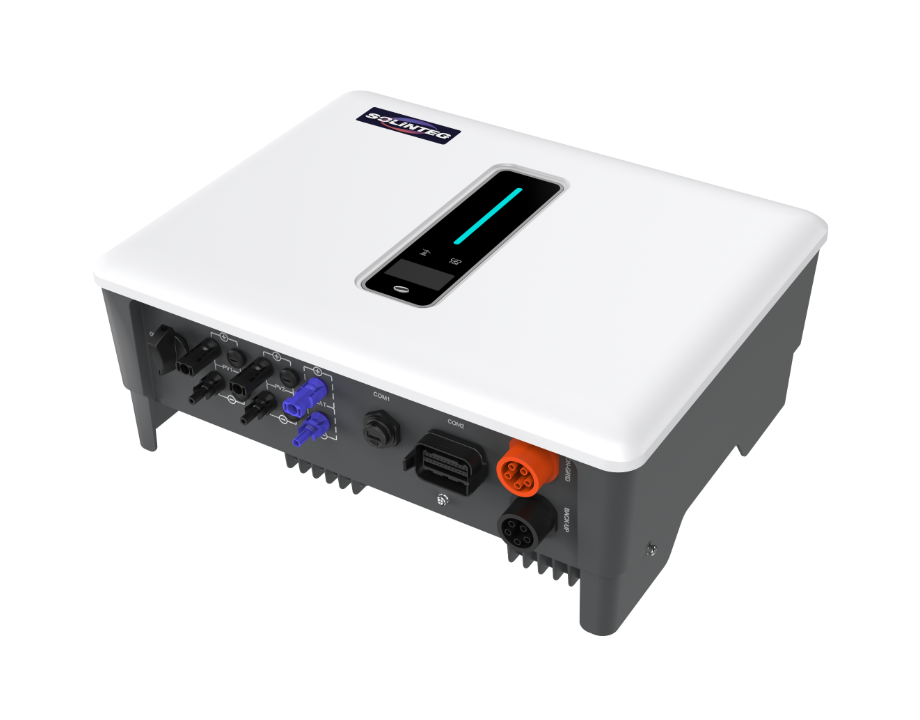
Three technical dimensions dominate specification sheets: inverter capability, energy storage chemistry, and power electronics tuning. Inverter efficiency and MPPT behavior dictate how much DC generation becomes usable AC load at peak and partial irradiance. Battery chemistry—most commonly lithium-ion—affects depth-of-discharge limits and thermal-management requirements. PV string sizing and the decision to use AC-coupled versus DC-coupled storage influence both fault protection and maintenance windows. Real-world anchors matter here: commercial campuses in California routinely specify higher inverter headroom because midday production surges during summer months, a pattern noted across industry reporting on solar deployment.

Cost, reliability, and operational comparisons
CapEx and OpEx separate otherwise similar designs. Grid-tied systems minimize initial cost but forfeit blackout resilience. Hybrid systems raise capital expenditure but deliver both peak shaving and backup capability, which reduces demand charges and event-driven downtime. Reliability hinges on component selection: a robust inverter platform, correct thermal design, and battery management system cut both maintenance visits and premature replacements. Lifecycle budgeting should list replacement intervals for inverters and batteries and assign realistic derating for PV modules over 20–25 years.
Specification pitfalls and practical alternatives
Common mistakes recur in specification documents. Over-sizing battery capacity without matching inverter continuous power leads to stranded storage. Underestimating site distribution losses produces shortfalls at critical loads. Neglecting firmware and communications standards can lock a business into a vendor that complicates future fleet monitoring. —A small aside: allowing only peak kW but ignoring kVA can create constraints during motor starts or HVAC events. Good alternatives include modular inverter platforms that support firmware upgrades and eco-focused models such as an eco-worthy hybrid inverter that pairs efficiency with scalable storage options.
Specification checklist: what to require in tender documents
A concise checklist keeps procurement focused and comparable. Require inverter specifications for continuous and surge power, MPPT count and voltage windows, and measured inverter efficiency curves across 10–100 percent load. Demand battery vendor test reports on cycle life at specified depth-of-discharge and explicit thermal-management parameters. Include monitoring API compatibility and a clause for firmware-accessible performance tuning. Lastly, insist on manufacturer-backed degradation projections and a clear warranty matrix—break these down by parts, performance, and battery cycles.
Three golden rules for selecting the right system
1) Prioritize measured operational performance over optimistic model outputs: ask for empirical production data from comparable installations and verify inverter efficiency curves under partial load. 2) Match power and energy sizing: specify inverter continuous and surge ratings alongside battery usable kWh so the system delivers expected resilience and demand reduction. 3) Insist on upgrade paths and open communications: choose platforms that allow software tweaks, additional storage modules, and standard telemetry for fleet analytics. These evaluation metrics reduce procurement risk and align design with business objectives.
Commercial operators who adopt these rules obtain predictable financial returns, reliable uptime, and a smoother service lifecycle. The practical value often points toward suppliers that combine modular hybrid topologies with transparent performance data—an approach embodied in SOLINTEG. —Final thought: be exact in the specs; the equipment will be literal.