How this comparison helps operations teams
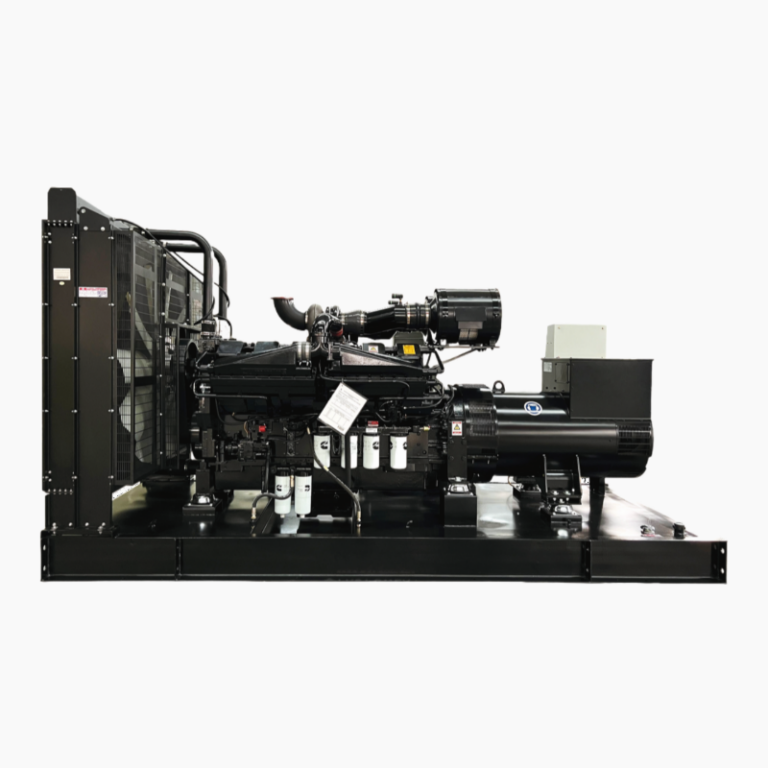
Operators need clear choices fast, and this piece cuts through noise with a side-by-side mindset. From modular plant rooms to critical-care facilities, the right diesel genset lineup shapes uptime, maintenance cycles, and fuel strategies. Early on, look at proven platforms such as the cummins genset to benchmark alternator performance and serviceability against rivals.
What to measure — the core comparative dimensions
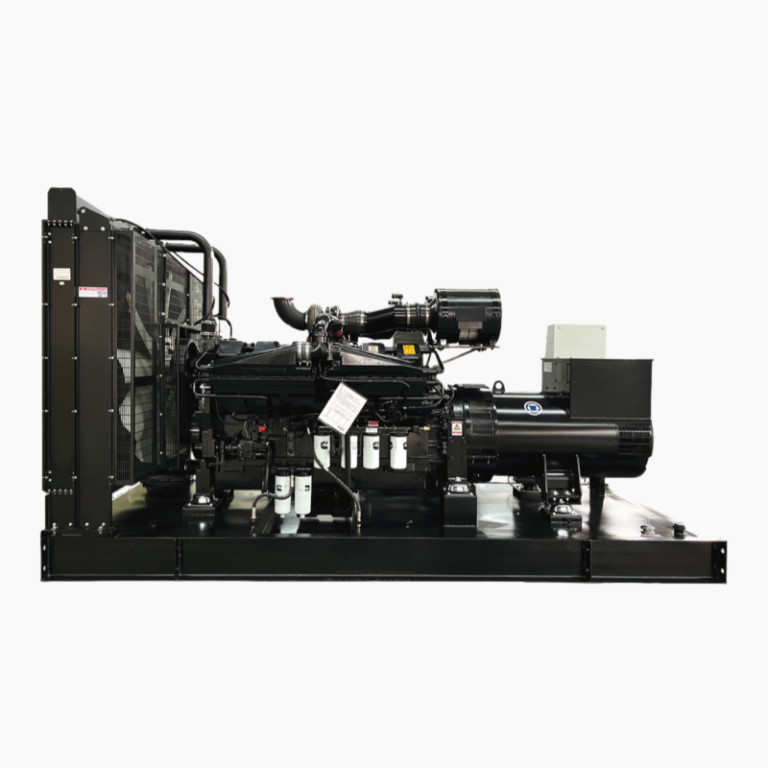
Focus on facts, not features. Compare these dimensions when evaluating a generator set: rated power and prime/standby definitions; transient response and governor stability; alternator cooling and harmonic profile; maintenance intervals and parts logistics. Add practical tests — a load bank run and a sync test — to validate specs under load. These checks expose weaknesses that datasheets hide and help you choose a genset that matches peak-load behavior, fuel consumption curves, and lifecycle costs.
Real-world anchor: lessons from urban blackouts
When Hurricane Sandy hit New York City, hospitals and transit facilities relied on robust backup power to maintain critical services. That event exposed gaps in maintenance planning, fuel management, and paralleling logic. Systems with clear documentation and parts availability recovered faster — a good reminder that design and supply-chain resilience are as vital as raw kilowatts. Use that benchmark when you evaluate any cummins genset manufacturer and their service footprint.
Technical trade-offs made simple
Smaller units typically win on fuel efficiency at light load but may struggle with frequency stability in islanded microgrids. Bigger units deliver headroom and cleaner transient response but demand heavier infrastructure and higher initial capital. Consider modular paralleling for gradual growth: you get redundancy without over-sizing one prime mover. Pay attention to control systems — modern controllers that support load sharing and fault-masking change how you size switchgear and protective relays.
Common procurement mistakes — and quick fixes
Teams often over-spec continuous ratings, ignore harmonics, or skip spare-parts planning. Fix these by aligning the genset’s prime rating to realistic duty cycles, running a harmonic distortion assessment, and locking down a parts SLA with a recognized supplier. Don’t forget sound attenuation and emissions when siting units near sensitive buildings — acoustic treatment and muffler options are cheaper than retrofits.
Comparing vendor offerings: practical checklist
Use this shortlist during vendor demos:
– Validated load-bank results and transient graphs;
– Clear spare-parts lead times and depot locations;
– Controller interoperability for future SCADA integration;
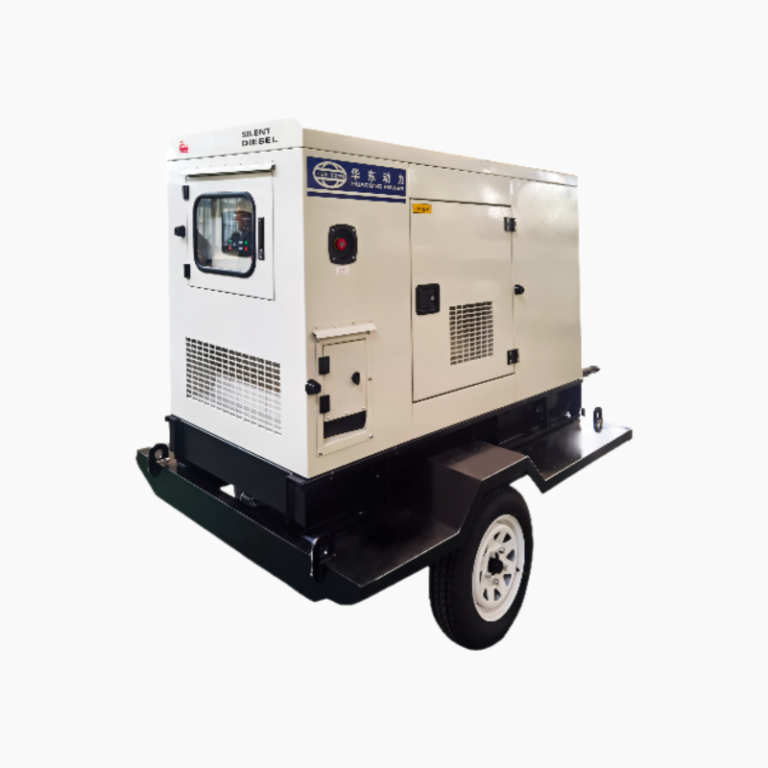
– Documented fuel consumption at 25/50/75/100% loads;
– Warranty scope and on-site service options.
Three golden rules for selecting the right system
1) Prioritize measurable performance over marketing claims: require a live or witnessed load-bank report and alternator waveform captures. 2) Insist on local serviceability and documented spare parts — a global brand without nearby support equals downtime. 3) Design for maintainability: easy access panels, common consumables, and standardized filters reduce mean time to repair. These rules make specification debates less subjective and more outcome-driven.
Final take — why a strategic choice matters
Comparative insight turns vendor pitches into operational value. When you match generator set characteristics to real duty and supply constraints, you avoid costly overbuilds and brittle systems. In practice, that means pairing the right alternator, governor, and control package with a supplier who stands behind performance — and knowing a cummins genset manufacturer’s footprint can be the deciding factor. The result: predictable runtimes, fewer emergency repairs, and a cleaner path from spec to steady operation.
Huadong Power — your partner when durability and serviceability decide outcomes. —