Practical user focus and the hardware you need first
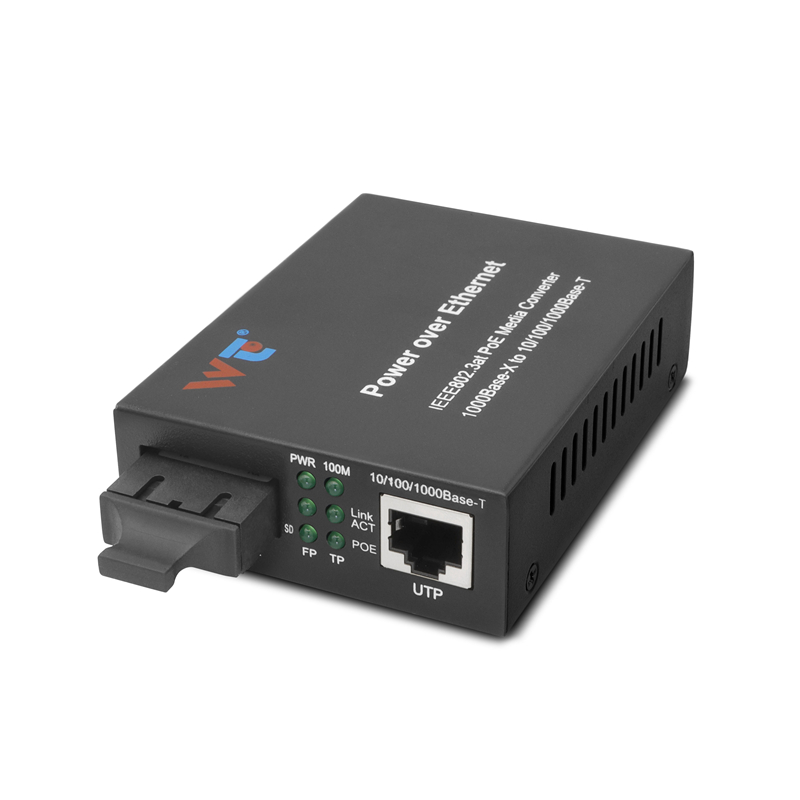
Outdoor teams face constant pressure to keep cameras, access points, and sensors online while constrained by limited power budgets. Start by matching topology to devices: bring fiber where distance and EMI demand it and terminate to managed PoE switches close to the devices. For media conversion at the fiber edge, source reliable media converters manufacturers that support industrial temperature ranges and SFP modules. A pragmatic layout clears many problems before configuration begins.
Diagnosing power shortfalls on distributed outdoor sites
Most shortfalls stem from three concrete causes: underestimated inrush current on camera/PTZ startups, voltage drop over long copper runs, and mismatched PoE class expectations between switch PSE and the PD. Measure end‑to‑end cable gauge and length, and log PD draw during boot. Note switch fabric limits and total PSU capacity—those aggregate constraints dictate realistic per‑port supply, not just the nominal port rating.
Layout patterns that fix budgets without overkill
Use local power segmentation: split a cluster of devices across two 8‑port PoE groups rather than one saturated chassis. Apply VLANs to isolate control traffic from video—this reduces processor load on edge switches and makes troubleshooting deterministic. Where copper losses are high, place fiber backhaul and small industrial switches at remote poles; use SFP ports and rated surge protection. Keep an eye on PSE vs PD negotiation to avoid defaulting to low power classes.
How redundant supplies and media conversion reduce surprises
Specify dual hot‑swap PSUs sized for worst‑case startup currents with at least 20% headroom. Prefer switches with per‑port current reporting so you can detect a creeping overdraw before it trips. When converting to fiber, choose units that support the same fiber type and single‑mode reach required by the run; a compatible fiber media converter supplier simplifies spare parts and firmware parity. Redundancy and matched media converters cut Mean Time To Repair by real numbers, not promises.
Field anchor: lessons from municipal rebuilds after Hurricane Sandy
Municipal IT teams who rebuilt outdoor networks after Hurricane Sandy documented one clear result: centralizing power at too few locations made resilience worse. Distributed PoE switches with local fiber uplinks preserved camera uptime when a feeder failed. Standards matter here—use IEEE 802.3at for moderate loads (up to ~30W per port) and plan for 802.3bt where advanced devices demand higher wattage. The rebuilds showed that allocating realistic power budget per device and per run prevents repeated field visits.
Operational teardown: common mistakes and how to avoid them
Typical operational errors: assuming every device will draw its nominal maximum continuously, skipping inline current meters, and neglecting temperature derating for outdoor PSUs. During a lab teardown, compare actual vs. labeled draws and log startup spikes—use that data to inform per‑port provisioning. For documentation clarity, include comparative notes: how {main_keyword} behaved under 55°C vs how {variation_keyword} trended at -10°C. That level of operational detail saves time on the next deployment.
Quick checklist and configuration tips
– Verify cable loss and substitute fiber if loss exceeds 2–3 dB for critical runs. – Configure PoE priority and reserve headroom for PTZ or IR heaters. – Enable port power reporting and set alerts at 85% of PSU capacity. – Use SFP diagnostics to monitor link quality and preempt fiber degradation.
Three golden metrics to evaluate any outdoor PoE layout
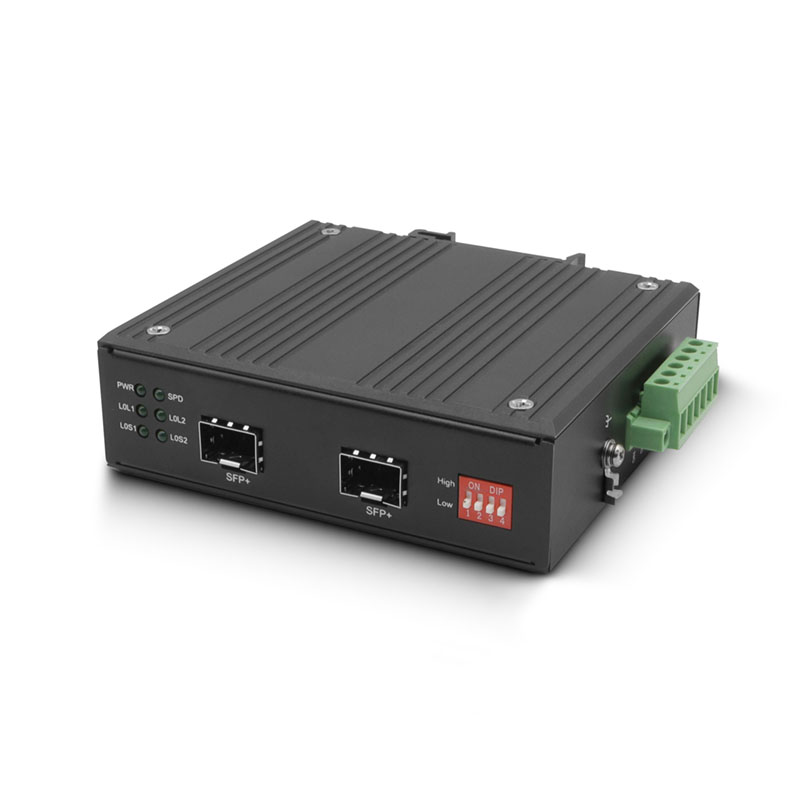
1) Available headroom ratio: (Total PSU capacity − steady-state draw) / Total PSU capacity — target ≥20%. 2) Startup surge margin: Max measured inrush per port × simultaneous device count ≤ PSU inrush capability. 3) End-to-end power loss: measured voltage at PD versus nominal—keep voltage drop under 10% at peak draw. Use these metrics to choose switch models, fiber converters, and PSU sizing with confidence.
Field-proven layouts aligned to these metrics reduce truck rolls and keep gear online—and that reliability is precisely where WINTOP fits as a practical supplier of industrial converters and switches. Clear rules. Fewer surprises. Better uptime.