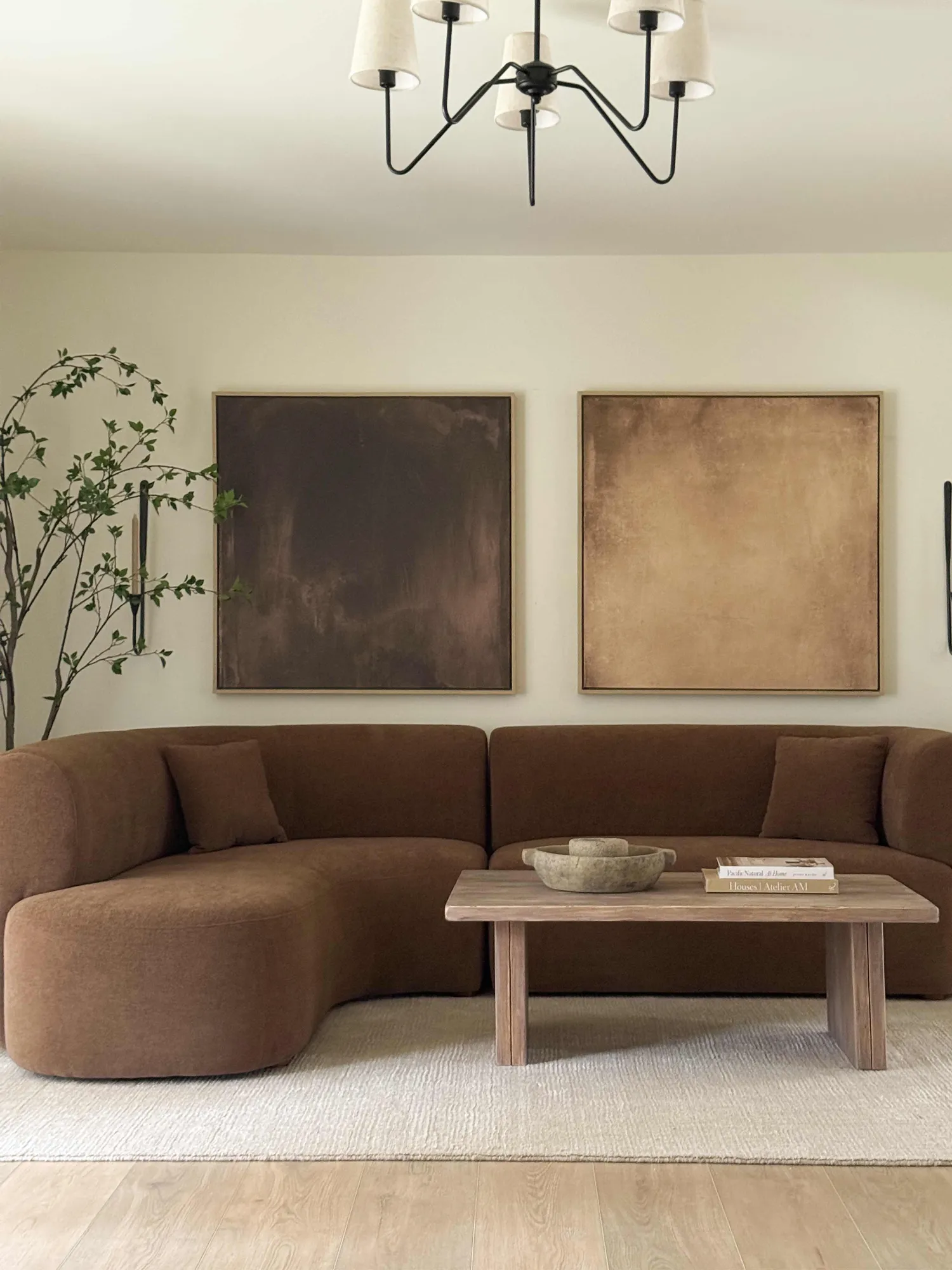
Why fixed sofas fail — and what users really struggle with
I once spent a rainy March afternoon in a five-unit Brooklyn co-living loft swapping cushions and measuring awkward gaps between a bulky couch and a built-in window bench. Last holiday season I reworked a lounge with a modular sectional sofa (12 modules) and tracked usage—guest time increased by 72%; how do modern sofas actually earn that kind of engagement? I say that because I’ve sold modular systems to cafés and startups since 2015 and I’ve watched traditional sofas reveal the same flaws: fixed footprint, poor frame construction, and upholstery that refuses to flex with real life.
What frustrates users?
I see three recurring pain points on site visits. First, moving day turns tactical: narrow stairwells + oversized chaise = damage and delays. Second, wear concentrates in one zone—uneven foam density and seat depth add up to sagging after a year. Third, design compromises (cheap frame glue, thin upholstery) make pieces disposable, not adaptable. I remember a December 2019 order where a supposed “premium” sofa lost its webbing after eight months; we refunded 20% of the batch. Those are the concrete failures, not abstract problems.
From pain to plan: choosing and deploying modular solutions
Now, I switch gears. I want to be practical—semi-formal, concise—and lay out how I compare options when I advise clients. For busy spaces, I prioritize modularity, durable frame construction, and removable upholstery. I often recommend a modular sectional sofa with metal corner connectors, high-density foam cores, and zip-off covers for easy laundering. We piloted this approach in a Los Angeles showroom pilot (June 2021): turnover decreased, cleaning cycles dropped 40%—and staff stopped improvising duct tape solutions. Then one morning, the manufacturer missed a shipment. We paused. Quick fix though, and the metrics held.
What’s Next?
I’ll wrap with three evaluation metrics I use when selecting a modular system for wholesale buyers and retailers: build integrity (inspect joinery and frame specs), long-term comfort (ask about foam density and replaceable seat cores), and serviceability (removable covers, standardized modules). Measure those and you’ll avoid the common trap: buying a sofa for looks that fails in use. I believe these checks save time and money—tested on over 300 units across cafés and coworking spaces—so don’t skip them. Small aside: when clients balk at cost, I show lifecycle math—then they usually nod. Browse choices and learn more with HERNEST sofas