Introduction
I remember the first rainy season when the cows in one shed kept shifting away from a corner where the lights were dim—small things like that tell you a lot. In many farms and commercial setups, commercial led barn lights promise brighter barns and lower bills, yet the real results often fall short (we’ve all seen it). Data from a few regional audits show energy use can drop by 30–50% with proper LED retrofits, but failure rates and poor light distribution still cause headaches. So why do sensible upgrades so often miss the mark? This piece follows a simple scenario — a shed, a bad retrofit, and a farmer who lost trust — and asks the question: how do we fix practical mistakes at the root? Let us move from the problem into the technical faults that hide beneath the surface.
Peeling Back the Surface: Why Traditional Fixes Fail
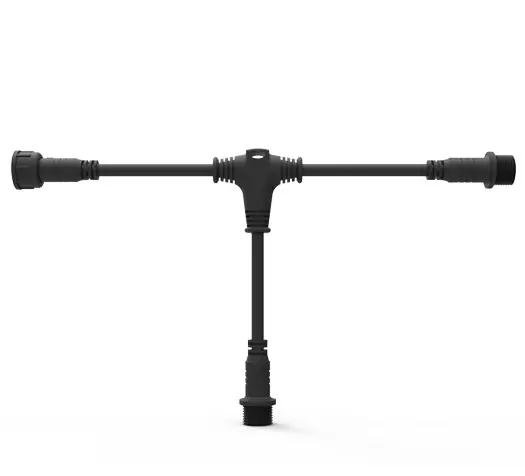
led lights for livestock housing are often treated as plug-and-play, but I can tell you from on-site checks that assumption is where many projects stumble. Too many installers focus on wattage rather than lumen output, and they ignore driver circuits and thermal management — the parts that actually control longevity. I’ve walked barns where fixtures overheat because the driver circuitry was undersized; the lights dim, flicker, and then fail. That’s costly and demoralising. Look, it’s simpler than you think: you must match power converters to the fixture and consider ambient heat, especially in enclosed livestock houses.
Why do old fixes keep failing?
There are three recurring flaws I see. First, poor placement: a high lumen lamp in the wrong spot makes glare but leaves shadows where animals need light. Second, mismatch of controls: occupancy sensors and dimming drivers are often incompatible, so the system hunts and never settles. Third, maintenance neglect: dust, ammonia and moisture accelerate driver failure. We used to accept short lifespans as “normal.” I disagree. Good design looks at beam angle, CRI (colour rendering index), and driver heat paths from day one. When those are correct, you get consistent feed behaviour and calmer animals — and that matters more than a spec sheet.
New Principles and The Way Forward
What if we designed from the animal’s viewpoint first and the electrical spec second? I’m advocating a modest shift: combine sensible photometrics with robust electronics. New LED systems for barns now use smarter driver circuits and better sealing. They balance lumen output across the space and include surge protection for unstable rural grids. When we pair those fixtures with simple controls—timers, dimmers tuned to circadian cues—we see calmer livestock and fewer complaints. Also — funny how that works, right? — small investments in proper mounting and ventilation end up saving money faster than you expect.
What’s Next for barn lighting?
We should push for three practical moves. First, specify based on lux maps, not just watts. Second, demand compatible power converters and documented thermal testing. Third, choose fixtures with easy-to-service drivers and clear warranty terms. I’ve tested prototypes that keep stable lumen output after months in harsh conditions; they cost a bit more but reduce downtime and vet bills. For those planning upgrades, consider life-cycle costs rather than first-price. For real projects, I favour semi-formal trials on one shed before a full roll-out — that lowers risk and builds farmer confidence.
Closing: How to Judge and Choose
We need a short checklist when evaluating solutions: first, check measured lumen distribution across the shed; second, verify driver and power converter specs for your local conditions; third, confirm sensor and control compatibility (do they play nicely or fight?). Those three metrics will stop most common mistakes. I stand by practical, tested choices—no hype, just clear trade-offs. If you want a calm herd and fewer service calls, focus on the whole system: optics, electronics, and maintenance plan. I hope these notes help you avoid the pitfalls I’ve seen up close. For further practical guidance and product trials, you might look at resources from szAMB — they’ve been useful in several of our field tests.