Introduction
I remember walking into a job shop where the production board looked like a battlefield—skids piled, operators tired, and a machine off-line for two days. The scenario is common: a mid-sized plant with aging assets, rising labor costs, and pressure to deliver smaller batches faster. CNC turn mill center manufacturers are telling me the same story across quarterly reports—uptime slipping by several percentage points, margins squeezed (we track mean time between failures and it matters). So here’s the question I keep asking: why do well-engineered systems fail when product mix and schedule volatility increase? This piece looks at the numbers, the processes, and the tools that trip up growth, and then sketches what actually works going forward.
Traditional Solution Flaws: Where the Tech Meets Reality
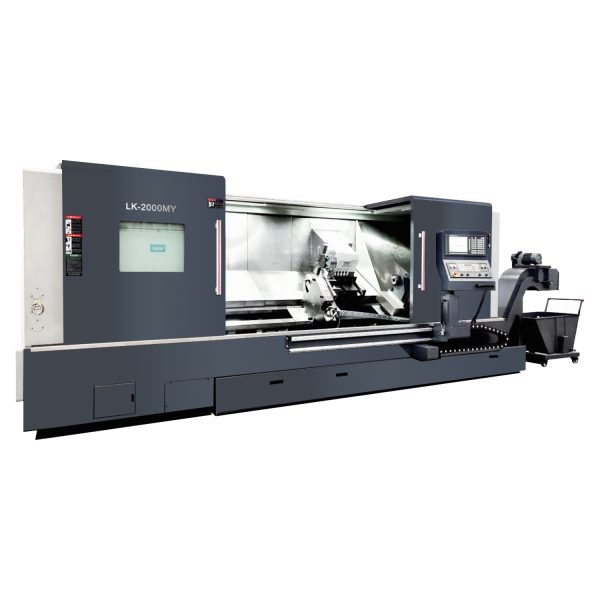
When shops talk about upgrading, they often point to a multifunctional mill turn center as the silver bullet. I’ve been there—seeing the hope and the invoice. In theory, a single machine with an integrated tool turret, axis synchronization, and advanced CAM software should cut setup time and improve throughput. In practice, legacy fixtures, inconsistent tool libraries, and weak workholding mean the machine never hits its rated spindle speed or cycle efficiency. Look, it’s simpler than you think: a perfect toolpath on paper collapses when the clamping shifts by a fraction of a millimeter. The result? Frequent micro-adjustments, extra operator time, and lower overall equipment effectiveness.
Digging deeper, we find that many “solutions” ignore systems-level friction. Power converters and servo motors are specified correctly, but plant floor data—edge computing nodes, torque curves, thermal drift—are not fed back into process controls. So maintenance becomes reactive. We inherit a machine that demands expert setup each run. That’s expensive and slow. Worse, the tool change strategy is often designed for single-part families, not the reality of high-mix orders. The technical infrastructure is fine; the integration and process design are not. — funny how that works, right?
Why do modern machines still require so much manual tuning?
Because people design for peak capability, not for everyday variation. That gap is the hidden pain point: a mismatch between machine potential and operational practice. If you ask me, it’s a cultural as well as a technical failure—shops need disciplined tool management, regular spindle calibration, and clear data feedback loops to turn capability into consistent output.
Forward-Looking Comparison: Principles and Practical Examples
Now, let’s shift to what actually moves the needle. I’ll compare two mindsets: buy-more-capability vs. redesign-process. The former piles on hardware; the latter refactors workflows and integrates intelligence. Consider a case where a facility replaced several dedicated lathes and mills with a flexible cell that combined turning and milling (we ran a pilot). The team invested upfront in tool standardization and in-process probing routines. The outcome: fewer setups, reduced rework, and a 12–18% improvement in throughput. It wasn’t magic. It was sensible data capture, tighter workholding, and deliberate change management. When I say “compare,” I mean real metrics—cycle time, scrap rate, operator touch time—not glossy brochures.
Another practical angle is the perennial debate—cnc lathe vs cnc mill. The right answer is often both: modern multifunctional cells let you choose the operation per job rather than forcing a compromise. But that requires investing in CAM software that handles mixed kinematics, and in training so programmers understand multi-axis toolpaths. I’ve seen shops resist the change because it feels risky. Yet with modest governance—tool libraries, version control, and automated probing—it becomes repeatable. — and yes, it takes time, but the ROI shows up in the quarterly P&L.
What’s Next for Manufacturers and Buyers?
We need to move from buying equipment to buying outcomes. In plain terms: prioritize systems integration, not just specs. Embrace predictive maintenance driven by real-time spindle vibration and thermal data. Standardize tooling and reduce variability in workholding. Train teams to interpret axis synchronization logs and adjust feeds based on material-specific torque curves. Those changes are incremental, but they compound. In my experience, the companies that treat these steps as part of the capital purchase, rather than optional add-ons, gain the edge.
Closing Advisory: How I Evaluate Solutions (Three Metrics I Trust)
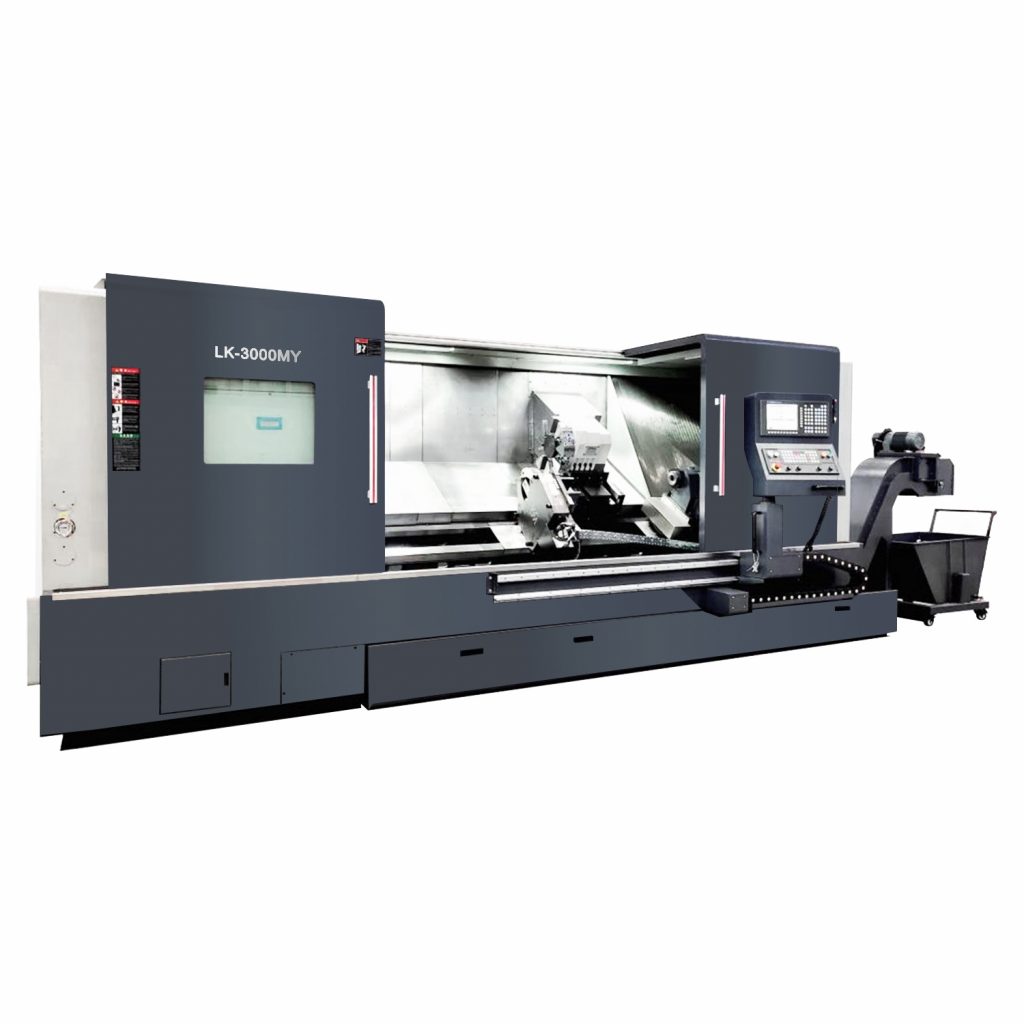
When I evaluate a shop’s readiness or a vendor’s claim, I focus on three clear metrics. First: reproducible cycle time under variation—measure it across three part families. Second: touch time per operator—track how often manual intervention is required per shift. Third: data feedback latency—how quickly spindle, torque, and probing data move back into the CAM/post-processor loop. These three tell you whether a system is truly flexible or just nominally so. I use them because they’re measurable, actionable, and they reflect real business impact.
To wrap up: we can blame machines, but often the shortfall is in process and integration. I prefer practical steps over grand promises. Test tool libraries, formalize workholding, and insist on closed-loop data for spindle and axis control. If you do that—if I’m honest—you’ll find that sophisticated equipment finally pays off. For vendors and buyers looking for partners who think this way, I recommend exploring practical solutions from Leichman. They’ve seen these problems and—more importantly—helped customers solve them.