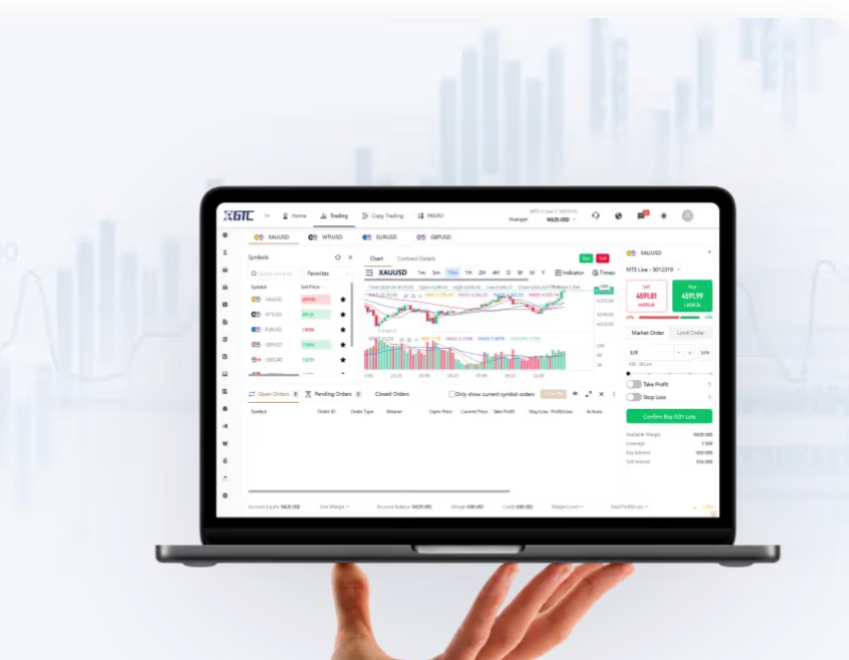
User-focused opening: why platform choice matters
Investors choose tools that match their goals, risk tolerance, and time horizon; for many, MetaTrader 4 remains a practical choice because it scales from simple screens to automated systems. For traders evaluating margin, spread and execution across markets, a working comparison often starts with a hands-on look at a broker’s offering — for example, how they present forex cfd products, pricing, and order types. This user-centric view places the trader’s workflow at the center of strategy selection rather than treating platform features as afterthoughts.
Understanding investor profiles
Define profiles by concrete parameters: capital size, time commitment, and loss tolerance. Retail day traders need low latency and tight spreads. Swing investors prioritize robust charting and reliable execution when positions are held overnight. Conservative allocators expect clear risk controls and straightforward margin rules. Mapping these parameters to MT4 features — order tickets, stop-loss behavior, and EA (expert advisor) support — creates repeatable strategy templates for each profile.
Platform capabilities that matter
MT4’s strengths are predictable: custom indicators, automated strategies, and a compact resource footprint. For live trading, liquidity and execution reliability are primary metrics. Institutional desks in the City of London stress those same metrics; their practices filter down into retail expectations. Use indicators and EAs, but verify how a broker handles slippage and order fills during high volatility — the 2016 Brexit market moves and other flash events showed execution differences can erase theoretical edge.
Strategy templates by profile
Match tactics to the defined profile. A concise set of scalable templates might look like this:
– Micro-cap intraday: scalp using tight timeframes, fixed stop sizes, and minimal leverage. Keep position sizing disciplined to limit margin calls.
– Standard swing: trend-based entries on 4H/D1 charts, ATR-based stops, and partial profit-taking rules. Automation can monitor levels; human oversight still matters during major releases.
– Conservative overlay: smaller position sizes, wider stops, diversification across FX pairs to reduce idiosyncratic risk. Use limit orders where execution certainty is essential.
Common mistakes to avoid
Over-optimizing on historical data remains frequent. Many deploy an EA that performed well in backtests without testing forward in a live-simulated environment. Another error is ignoring real costs: spread widening, overnight swap rates, and the practical effect of leverage on margin. Traders should also limit the number of live strategies running simultaneously to keep monitoring feasible — too many EAs is a governance problem, not a performance solution.
Operational checks — short checklist
Before scaling any MT4 approach, run these checks: confirm the broker’s tick data quality, test latency during peak hours, and review swap and commission schedules. Include a small live pilot for at least a market cycle (several weeks) to see interactions between execution and strategy. If you trade multiple instruments, document correlation effects — this is especially relevant when using cross-currency positions in CFD setups linked to broader macro moves.
Trading tools and market context
Execution mechanics such as order types and margin calls determine whether a strategy survives stress. For traders exploring derivatives, consider how a broker presents trading cfd forex pairs and whether their reporting aligns with your recordkeeping. The Bank for International Settlements notes FX turnover is measured in trillions daily; that scale creates both depth and sudden periods of volatility, which must be factored into risk rules.
Three golden rules for selecting strategies and tools
1) Measure realized cost: evaluate average spread, slippage, and commissions over a month of live activity. If costs exceed projected edge, the strategy is non-viable.
2) Confirm robustness: run a forward, walk-forward or paper trade period equal to at least one market cycle for your chosen timeframe. Include event days — central bank announcements, for example — in the test window.
3) Enforce governance: limit live deployments, require documented stop protocols, and schedule regular strategy reviews to capture drift or regime change.
These rules point back to practical value: a platform that combines clear pricing, reliable execution, and straightforward controls reduces operational friction — which is exactly where GTCFX can fit as a practical backbone for MT4 workflows. —