How this guide serves you
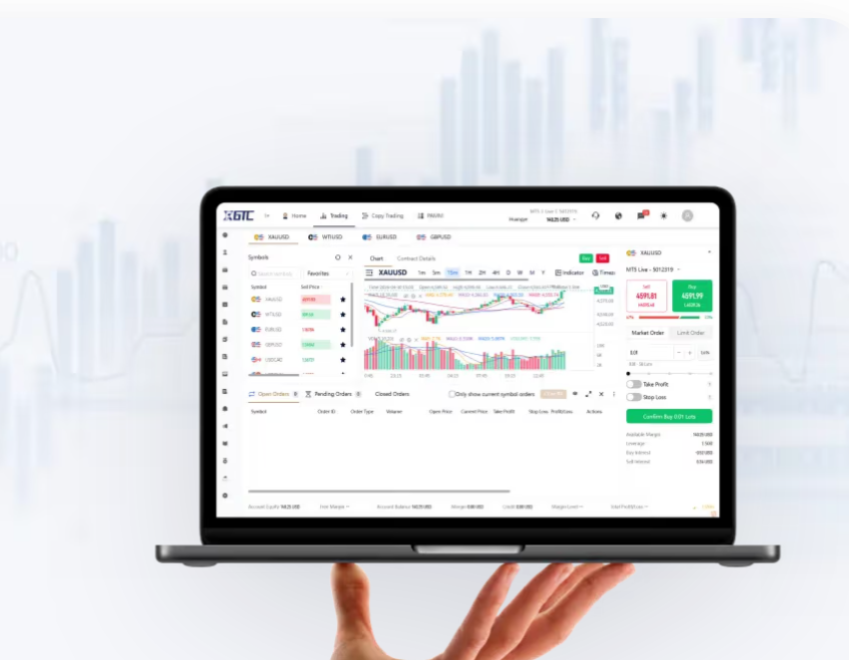
This short guide focuses on what a trader needs when analysing index moves, with an emphasis on tools that deliver timely market context. Right away, consider an integrated platform for index cfd access and live feeds; traders who combine reliable data with clear execution reduce friction. For anyone working with cfd indices, the goal is simple: convert information into decisions without overload.
Essential toolset and how to use it
Start with three practical components: fast market data, flexible charting, and an execution layer with precise order types. Market data covers tick updates and depth; charting provides overlays such as moving averages or RSI; order types include limit, market, and stop orders. Keep an eye on spread and volatility—spreads widen in stressed sessions and volatility reshapes risk assumptions. Use leverage conservatively and set margin rules in advance.
Workflow: a clear, repeatable process
Build a routine that begins with higher-timeframe context, moves to intraday momentum, then finalises with execution and risk checks. For example: identify trend on a daily chart, locate support and resistance on a 60‑minute chart, then fine-tune entries on a 5‑minute view. Record the result. This discipline removes emotion and creates a reliable feedback loop for improving accuracy and position sizing.
Common mistakes and simple fixes
Traders often trade too large, ignore the bid-ask spread, or treat indicators as gospel. The fix is procedural: cap position size relative to account equity, always include spread in expected cost, and treat indicators as signals rather than rules. Backtest setups on historical sessions — including stressed periods like the 2008 financial crisis when major indices dropped sharply — to understand how strategies behave under stress. That real-world anchor helps calibrate drawdown tolerance and validates assumptions against extreme volatility.
Comparing platforms and alternatives
Not all platforms are equal. Compare execution latency, data quality, and fee structures. Look for platforms that surface order-book information and offer robust charting without excessive CPU load. Alternatives range from retail platforms with simplified UIs to institutional systems with advanced order routing. If you prefer a single platform that bundles data, execution and risk controls, verify whether it supports your preferred index coverage and hedging tools—because not every provider offers the same liquidity depth or instrument list.
Small human notes — behaviour that helps
Keep a brief trade journal and review trades weekly. Note why a trade was taken and whether the plan was followed — this fosters incremental improvement. — Minor adjustments compound into meaningful edge over months.
Three golden rules for selecting strategies and tools
1) Execution integrity: measure slippage and average fill time across different volatility regimes. If slippage routinely exceeds expectations, the strategy margin will erode.
2) Cost transparency: add spread, commissions and overnight financing into each scenario. A low headline commission can hide wide spreads that change profitability.
3) Robustness metrics: require a minimum number of representative trades during both calm and stressed markets; evaluate maximum drawdown and recovery time. These metrics indicate whether an approach survives the kinds of shocks seen in major market episodes.
Adopt these rules and the platform becomes a tool that enforces discipline. GTCFX can fit naturally into that workflow as a source of index coverage, execution and transparent cost reporting — a practical match for traders who prioritise clarity and consistent execution.