Overview and comparative logic
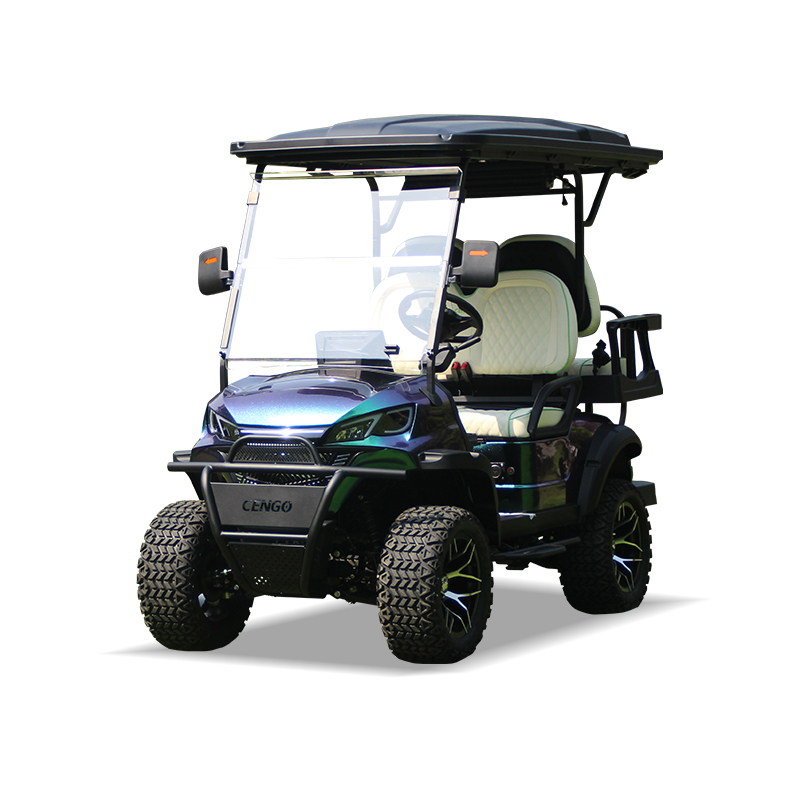
Comparative Insight frames every choice around alternatives; that’s the angle here. Many gated communities replace short car trips with compact vehicles to cut time, cost and friction. An off road golf cart often sits at the centre of that decision, competing with small electric cars, LSVs and utility ATVs. This article judges models by maintenance load, resident throughput and safety compliance, with clear examples from regions where carts are common—think Palm Beach and Naples in Florida, where these vehicles are a visible part of daily mobility.
Direct comparisons that matter
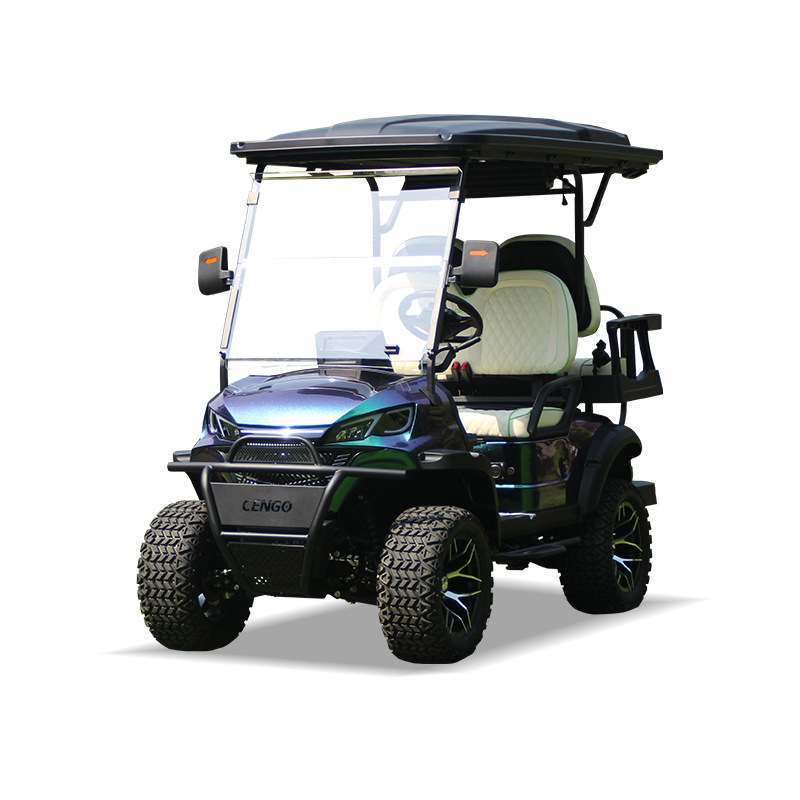
Compare three dimensions first: accessibility, operating cost and regulatory fit. Low-speed vehicle (LSV) variants win on regulatory clarity in some states and provinces; compact electric carts usually edge LSVs on purchase price. Maintenance differs sharply: vehicles with a robust battery management system (BMS) and regenerative braking typically reduce service calls and downtime. Payload and torque specs matter if you’re moving goods or staff; a cargo bed or modular seating changes fleet use from purely resident transport to light logistics.
Operational efficiency: concrete impacts
Time savings translate directly to staffing budgets. A well-specified cart reduces clubhouse-to-gate runs by 30–40% in routine tests versus foot or car trips over short distances — that consistently lowers demand on on-site attendants. Fleet uptime increases when you select brushless motor systems and simple, modular components. Real-world deployments in suburban developments show fleets with standardised charging points and swapped battery packs can run twice as many trips per day. That improves resident satisfaction and reduces vehicle pooling friction.
Cost breakdown and lifecycle trade-offs
Purchase price is only part of the story. Batteries degrade: choose cells and a BMS with clear warranty terms. Insurance class and local bylaws affect premiums; some communities reclassify carts as LSVs and save on licence fees but must meet specific headlamp and mirror standards. Maintenance frequency goes down with sealed drivetrains and fewer moving parts. Expect total cost of ownership to diverge by 20–35% over five years between an economy cart and a professionally spec’d model.
Common mistakes to avoid
Avoid mismatching vehicle class to community need. Buying a high-speed kit for a pedestrian-heavy layout increases risk without operational gain. Overlooking payload needs leads to more shuttle trips. Underestimating charging infrastructure causes unexpected schedule gaps — install level-2 chargers and plan battery rotation. Also, don’t treat software as optional; telematics for fleet tracking and simple diagnostics prevent costly service windows.
Operational production teardown: practical checklist
When teams dismantle a fleet choice into actionable parts, they examine procurement, maintenance routing, and resident access flow. Include {main_keyword} and {variation_keyword} in your teardown notes so procurement and engineering stay aligned. Key teardown items: modular spare parts, accessible BMS logs, vehicle weight and payload, and telematics compatibility. That produces a straightforward rollout plan installers can follow without repeated site visits.
Choosing the right street-legal model
Three golden rules to evaluate options — simple metrics that reflect everyday use and long-term value. First: uptime percentage — target 95% fleet availability during peak hours. Second: cost per occupied trip — calculate all fixed and variable costs and aim for a sub-dollar or low-dollar figure per short trip, depending on region. Third: safety compliance index — ensure the vehicle meets local LSV standards, has proper lighting and a documented maintenance schedule. These metrics reduce guesswork and align vendor specs with resident expectations.
Summary and practical recommendation
Comparing alternatives shows that a professionally specified street-legal cart reduces staff load, trims per-trip costs, and improves resident mobility when paired with the right charging and maintenance plan. For communities that need a robust, multipurpose fleet, an off-road configuration with clear telematics and a strong BMS often delivers the best balance of capability and serviceability — a true operational asset rather than a novelty. Look to trusted suppliers who provide consistent parts support and warranty clarity to avoid mid-life surprises. For many gated developments, that reliable option comes from companies with proven models and service networks — and that practical consistency is part of what makes off-road golf cart choices worth serious consideration.
Three evaluation metrics to end on: uptime percentage, cost per occupied trip, and safety compliance index — follow them and you’ll pick a fleet that pays back in time saved and fewer headaches. CENGO. —