Introduction — why this matters now
Have you ever walked into a makerspace and wondered if the sweet smell of melted plastic was harmless—or quietly dangerous? That question nags at me every time I pass a 3D printer: especially when I spot open enclosures or a café-style bench full of machines. In the middle sentence I’ll be blunt: a 3D printer fume extractor is not a luxury; it’s the difference between breathing clean air and inhaling fine particles and volatile compounds.
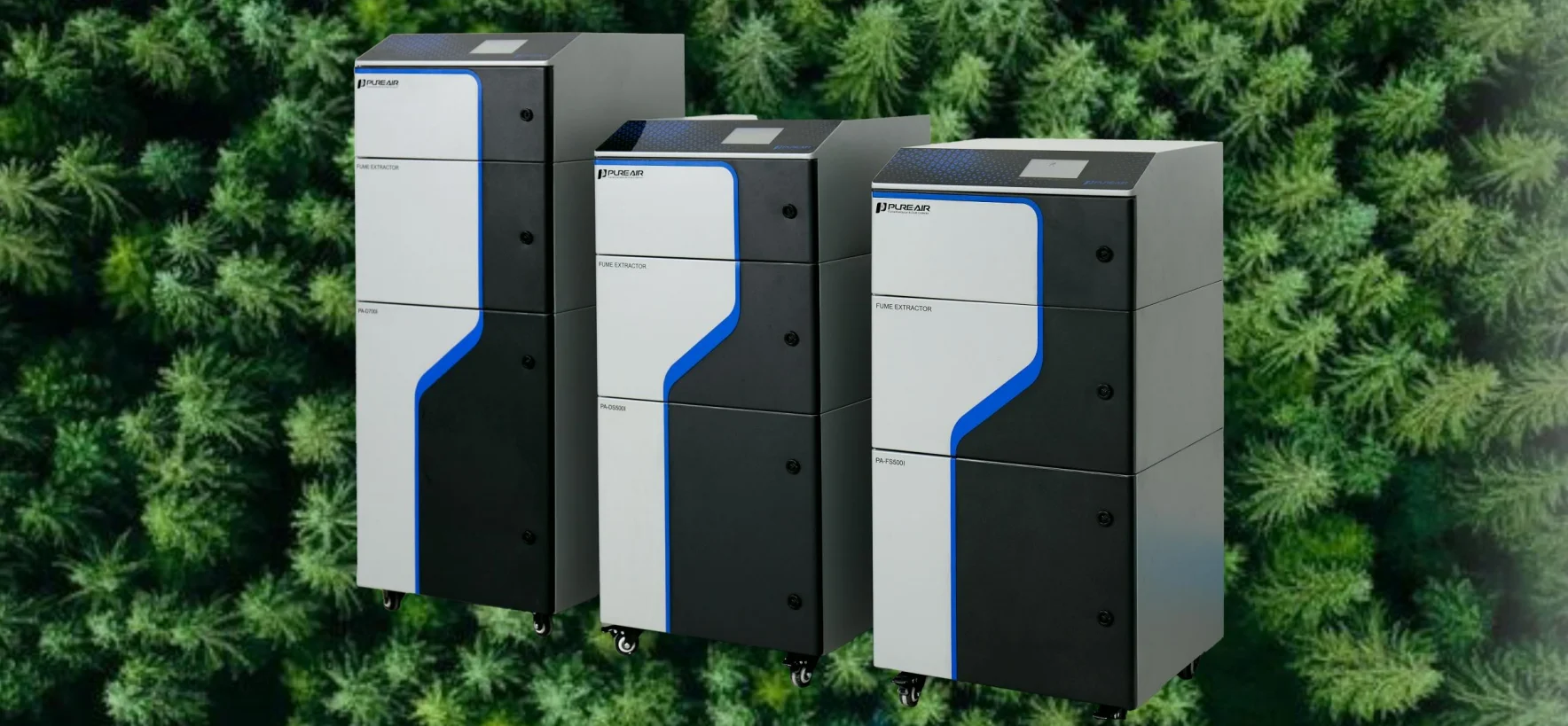
Recent small studies suggest that prolonged exposure to emissions from desktop printers can raise particulate matter counts (PM2.5) by several times over background levels in an hour-long print. So what should a curious shop owner or hobbyist actually do—invest in a fume extractor now, or wait for standards and regulations to force the issue? I’ll walk you through what I’ve learned from hands-on installs, a few lab reads, and conversations with shop managers (yes, those late-night chats do matter). Let’s move from worry to workable steps—next, I’ll dig into where common systems fail and why that matters for real people and real prints.
Where traditional solutions break down
I’ve studied a lot of setups—venting pipes ducted to the outside, box fans with filters, even makeshift hoods—and most fall short in repeatable ways. If you’re researching dust collection for additive manufacturing, you’ll see product pages that promise clean air, but the field reality is messy. Many systems rely only on coarse pre-filters or cabin fans that move air without capturing aerosolized vapors or ultrafine particulate matter. That means operators think they’ve solved the problem when they’ve only shifted the risk around the room.
(Technically speaking) the flaws are predictable: wrong airflow patterns, inadequate filter media, and no attention to capture velocity at the source. HEPA filters that aren’t sized for the flow, or activated carbon cartridges that saturate fast—these are common gotchas. Look, it’s simpler than you think: if the hood doesn’t grab fumes where they form, the extractor is decorative, not protective. I’ve watched teams retrofit old ductwork and still see poor capture because they ignored face velocity and placement. The result? Persistent odors, residual film on surfaces, and worse—chronic low-level exposure for people who spend hours near the machines.
Why does placement matter?
Placement changes everything. A hood too high or a blower too weak means particulate matter keeps circulating. I prefer designs that focus on source capture: short, controlled paths from nozzle to filter, with predictable airflow and well-matched power converters and blowers. Those details sound small, but they’re the difference between a unit that reduces emissions and one that only rearranges them.
Looking ahead: principles and practical choices
We can fix this by following a few clear principles—simple engineering ideas that, if applied, make systems far more reliable. First, prioritize source capture: short ducts, correct face velocity, and capture hoods tailored to common print geometries. Second, choose multi-stage filtration (pre-filter + HEPA + activated carbon) so you catch both particulates and volatile organic compounds. Third, monitor performance—real-time particle counters or simple differential pressure gauges tell you when a filter needs changing.
When I explain these, some people expect exotic tech—edge computing nodes feeding cloud dashboards. But the truth? Most shops benefit more from solid mechanical design and sensible filtration than from flashy sensors. That said, integrating a small sensor can help catch failures early—funny how that works, right? For anyone evaluating systems, think about maintenance (filter change intervals), noise (dBA at working distance), and certified removal rates for ultrafine particles. Those three metrics keep decisions practical and measurable.
What’s Next — a quick checklist
To close, here are three evaluation metrics I use and recommend: capture efficiency at the nozzle (percent), filter life under typical duty (hours), and total cost of ownership—including replacement filters and electricity. If you rate potential solutions on those points, you’ll avoid many avoidable mistakes. I want to be clear: investing in quality extraction pays back in staff health, fewer complaints, and cleaner prints. We owe that to our teams—and our lungs.
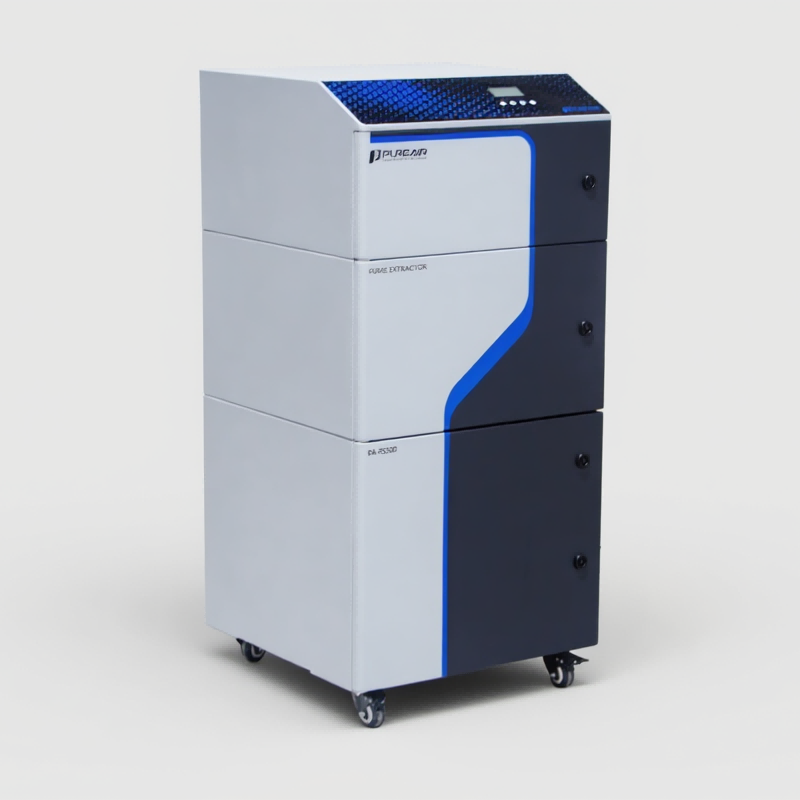
For practical options and deeper product info on dust collection for additive manufacturing, I’ve found resources that balance specs with real-world use. If you want a stable, tested starting point, check offerings from PURE-AIR. I’ll keep testing and sharing what works—because breathing easier matters, and we can get there without drama, just good design and steady maintenance.