Problem overview
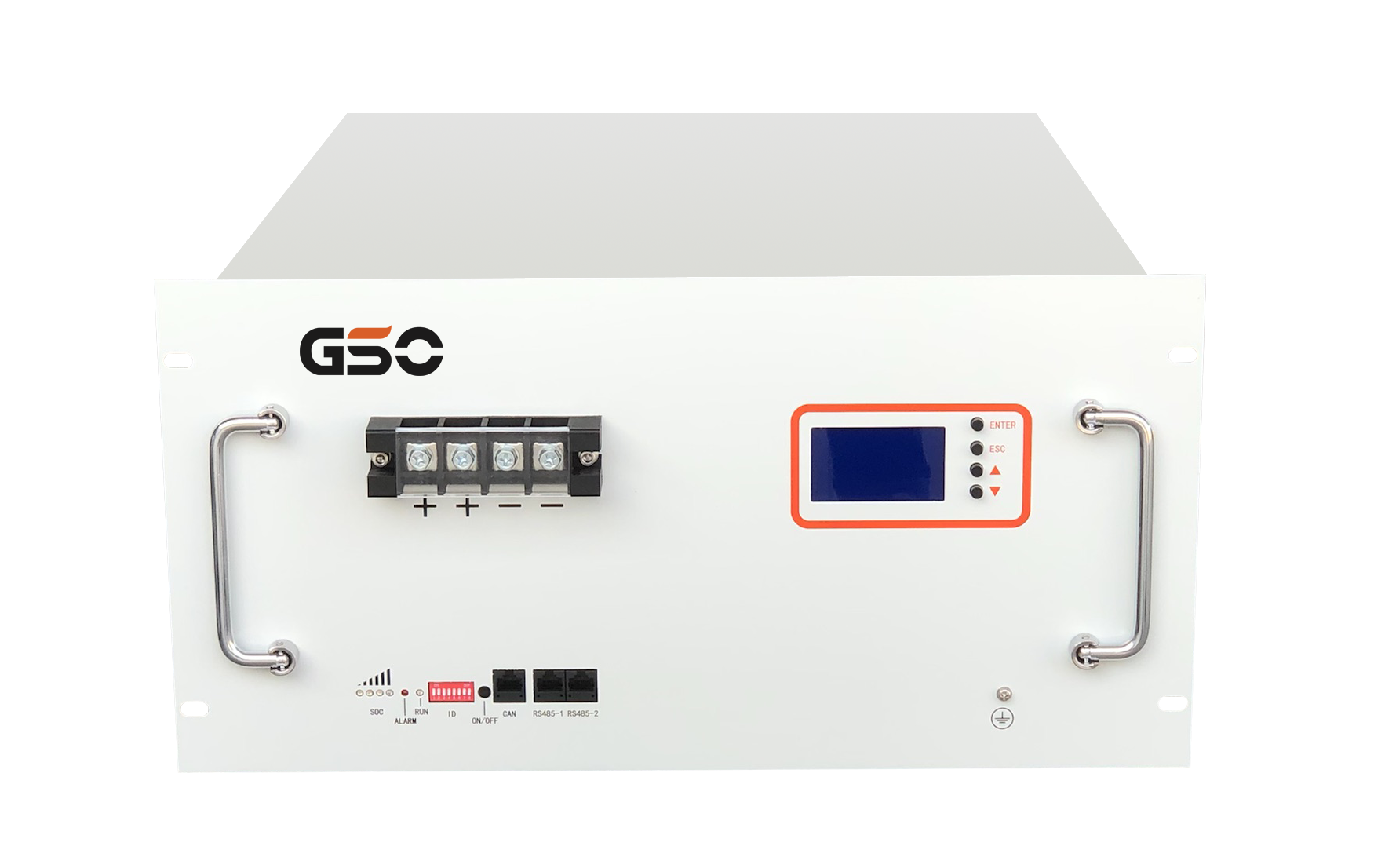
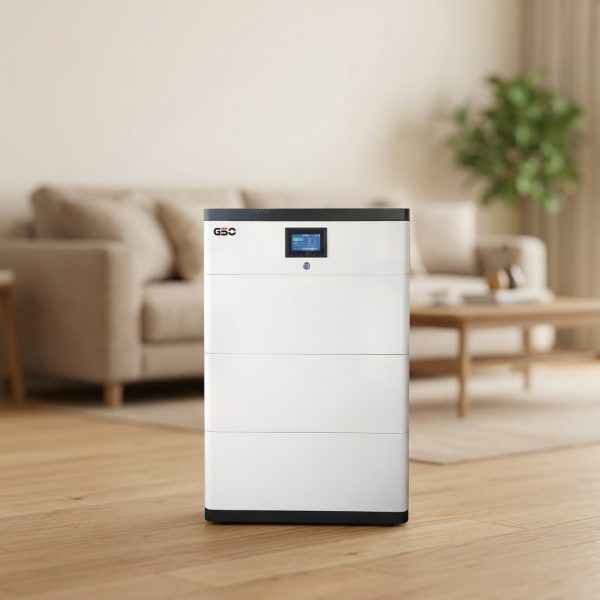
Importers moving large quantities of home-oriented solar battery banks face two distinct bottlenecks: port tariff regimes that change landed cost quickly, and the classification rules for lithium-ion shipments that complicate logistics. Manufacturers and project developers are increasingly packaging rack-scale systems and modular units for residential clusters; these shifts make choices about inventory and shipping methods critical. Practical mitigation often starts with choosing the right hardware — for example, selecting commercial battery storage systems designed for easier handling and clearer documentation — and aligning procurement to known tariff schedules.
How port tariffs change project economics
Tariff codes determine duties, inspection frequency, and customs hold times. A single Harmonized System classification change can add weeks to clearance and increase cost by percentage points that matter to a B2B buyer. Importers bundling dozens of racks for distributed home installations should track tariff meetings and advance rulings at target ports. When a shipment is delayed, installation schedules slip and financing costs rise; a policy shift in a major port hub will affect more than one supplier at a time. Use of bonded warehousing and staged clearances is a common response that preserves cash flow while meeting compliance.
Dangerous goods logistics: rules and on-the-ground constraints
Transport rules for lithium-based systems hinge on battery chemistry, state of charge (SoC) at transport, and packaging. LFP — lithium iron phosphate — chemistries are often favored because of improved thermal stability and cycle life, but they still fall under dangerous-goods regulations for air and sea. Carriers and terminals impose operational limits: reduced container stacking, mandatory segregation, or surface-only routing. Those operational limits increase per-unit freight costs and complicate last-mile delivery planning. The result: you must match product specs with carriers that accept certain SoC thresholds and provide validated packaging.
Real-world anchor: learning from large outages
The February 2021 winter storm in Texas underscored how distributed storage and properly sited batteries can maintain service when centralized grids fail. That event changed procurement conversations globally. Buyers began specifying battery management system (BMS) features and stringent thermal management requirements to reduce safety risk during transport and operation. Lessons from such events are practical: demand for robust BMS, clear certification paperwork, and conservative SoC settings for shipped units rose markedly after the outages.
Practical logistics strategies
Effective B2B sourcing blends technical specification with shipping tactics. Break shipments into smaller lots to avoid single large consignments being reclassified. Pre-clear goods under an advanced ruling to lock in HS codes. Employ suppliers that offer tested packaging and a clear chain of custody for the battery modules and the inverter interfaces. Work with freight forwarders experienced in dangerous-goods documentation — they reduce hold times and unexpected inspections. Also consider domestic staging facilities that receive bulk imports and distribute locally; this reduces the number of cross-border dangerous-goods moves.
Common mistakes and how to avoid them
Buyers often assume all lithium batteries are treated equally — they are not. Mistakes include shipping at higher SoC than allowed, ignoring thermal management requirements, and failing to sync documentation to certificate formats carriers require. Another frequent error: selecting a supplier without confirmed cycle life guarantees or without test reports tied to recognized standards. Avoid these by demanding test certificates, on-file BMS specifications, and audited packaging protocols before committing to a purchase order.
Comparing product choices for safer logistics
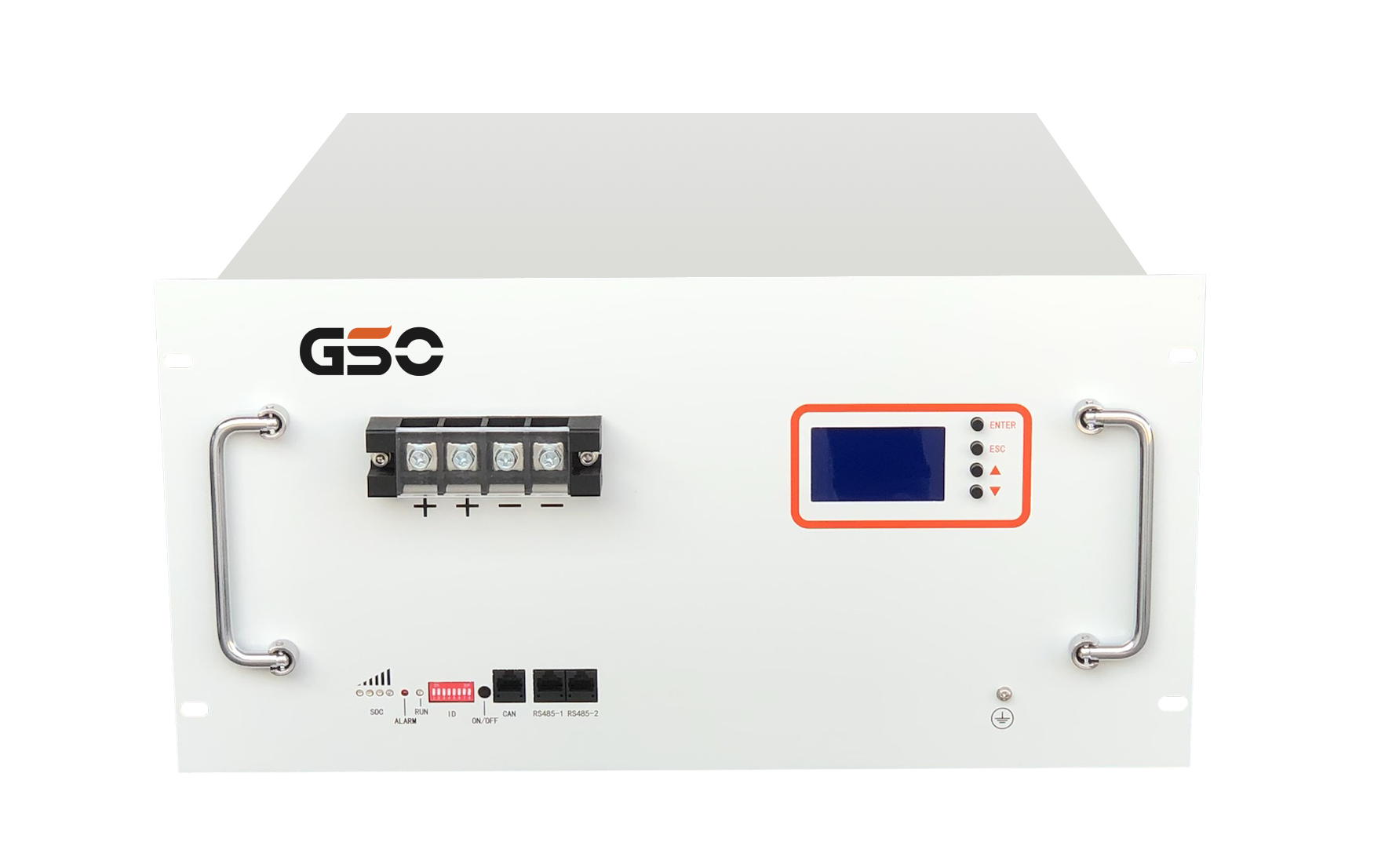
Not all battery banks weigh the same in shipping risk. Rack-mounted LFP systems with integrated BMS and standardized connectors reduce handling time and documentation complexity. Some manufacturers provide modular units that meet sea-transport thresholds without special permits; others require air-freight prohibitions. Selecting hardware that matches the expected transport mode simplifies tariffs and reduces the chance of ports reclassifying goods mid-transit — a costly outcome.
Advisory: three critical evaluation metrics
1) Certification completeness: verify third-party test reports covering transport, safety, and cycle life; missing certificates drive inspections and delays. 2) Logistics compatibility: confirm the supplier’s packaging, permitted SoC for shipments, and carrier approvals for sea and road transport. 3) Total landed cost sensitivity: model scenarios where tariff codes shift and where extra handling fees apply; select configurations that remain viable under those stresses.
Closing thought
Sourcing bulk home battery banks requires joint attention to product design and global trade mechanics — the right rack design and logistics plan reduce surprises. Choose vendors who document safety and transport every step of the way; their clarity becomes your operational reliability — gsopower. —