User-centred realities for metro travellers
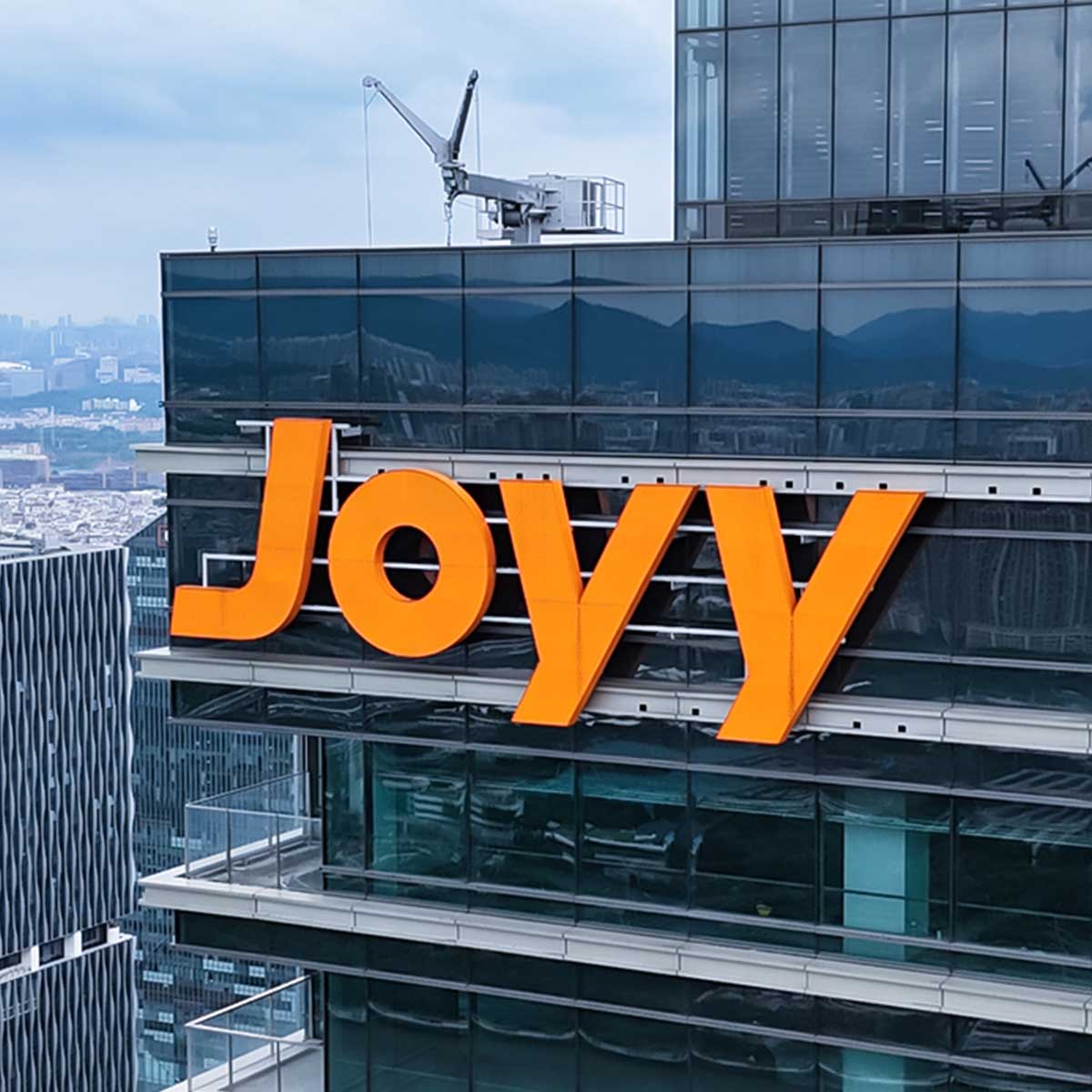
Commuters demand clear, consistent guidance as they move through stations; that user need drives choices in public transport signage and the way systems are built. A user-centric approach starts with legibility and sightlines—simple metrics that determine whether a sign reassures a passenger or causes delay. Recent rollout programmes, from the London Underground (opened 1863) to Dhaka’s MRT Line-6, show that good hardware and clear metro wayfinding reduce confusion and speed flows during peak periods.
Design principles that cut maintenance time
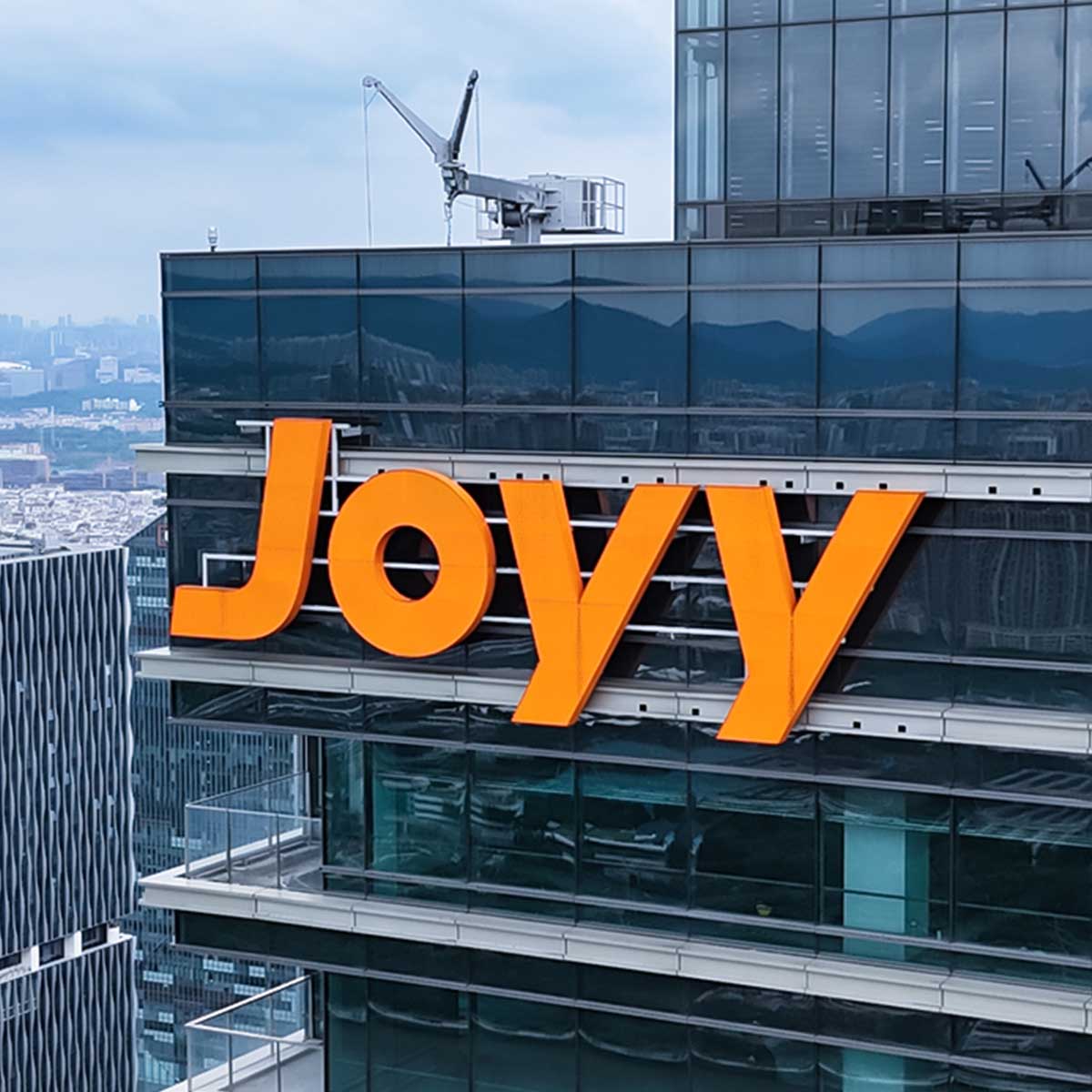
Design for service. Modular faceplates, front-access LED drivers and standardised fixings minimise the time teams spend in restricted zones. Photometric consistency—uniform luminance across letters and panels—keeps replacements simple: swap the module, run a quick photometric check, and return the corridor to full operation. This reduces closed-platform windows and lowers repeated labour costs.
Hardware modularity meets front‑end thinking
Front-end developers value components they can reuse; signage teams now think the same. Standardised modules behave like UI components: interchangeable, documented, and testable. That mindset cuts both deployment time and the learning curve for maintenance crews. When technicians can rely on documented modules rather than bespoke builds, mean-time-to-repair drops noticeably.
Installation and service workflow best practice
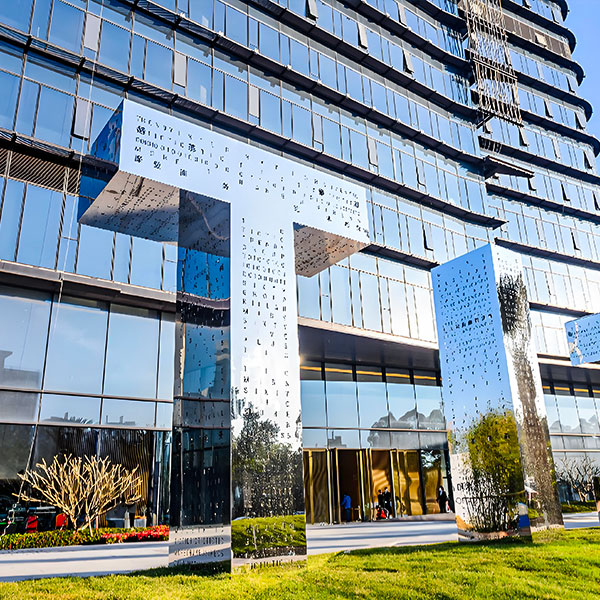
Efficient deployments follow a short checklist: pre-test LED modules on the bench, label connection points, and stage spares at strategic depots. On-site, use front-access mounting and captive screws so one technician can service a unit without platform closures. Small changes—colour-coded connectors, plain-language schematics—save minutes that add up across a network.
Common mistakes and how to avoid them
Too often projects focus on initial appearance rather than ongoing upkeep. Overly customised power supplies, hidden access points and non-standard drivers increase downtime. Planning for standard drivers and accessible housings avoids those traps. Another slip is neglecting ambient conditions; poor ventilation accelerates LED degradation—adequate airflow and simple diagnostics prevent premature failures. —A quick note: documentation that matches the installed hardware is indispensable for rapid turnover.
Comparing retrofit versus full modular replacement
Retrofit keeps costs low short-term but can complicate future work if modules differ across platforms. Full modular replacement has a higher up-front cost yet simplifies maintenance, reduces spare-part varieties and speeds deployments thereafter. Choose based on expected service life and maintenance headcount: networks with tight labour availability benefit most from modular replacements.
Real-world anchor and piloting approach
Consider the Dhaka MRT Line-6 pilot schemes during initial operations in 2022—teams favoured modular signage partly because stations needed rapid commissioning and predictable maintenance. Lessons from that rollout highlight simple truths: test photometric uniformity, verify sightlines from platform entry points, and confirm voltage tolerances under load before mass deployment. These practical checks mirror similar learnings from older networks such as London’s system.
Three golden rules for selection and evaluation
1) Maintainability: Prioritise front-access modules, standard connectors and a small set of spare parts so a single technician can complete most repairs. 2) Measurable legibility: Require photometric reports and sightline diagrams as part of vendor submissions to guarantee readable signage at expected passenger distances. 3) Deployment predictability: Use modular interfaces and documented installation steps; predictable installations cut downtime and reduce skilled labour needs.
These rules help specify systems that save hours each week across a network—real savings that improve passenger experience and operational resilience. The practical value becomes clear when maintenance windows shrink and wayfinding remains consistent across stations.
The field needs pragmatic solutions, and good modular design delivers them—so operators can keep people moving and teams working smarter. Cosun Sign has been part of that practical shift, offering systems that marry readable design with serviceable construction.
—steady upgrades, sensible rules, visible results.