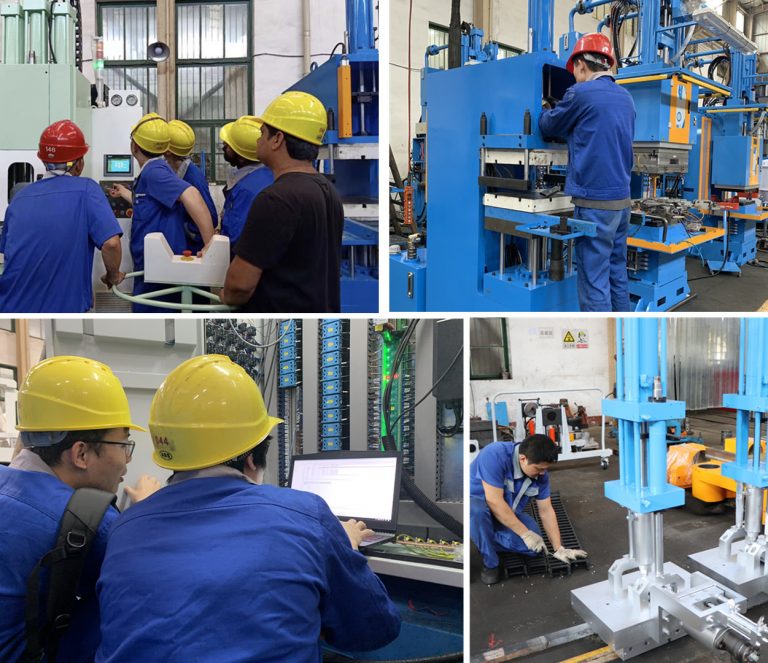
Comparative insight: framing the problem and the stakes
The demand for high-tonnage clamping systems pivots on two concrete objectives: maintain mold alignment under extreme clamping force and preserve repeatable shot consistency across long production runs. This comparative note examines structural enclosure choices, clamp topology and drive systems with direct relevance to suppliers such as rubber injection molding machine manufacturer. The goal is to show which choices measurably affect mold stiffness, cycle stability and total cost of ownership.
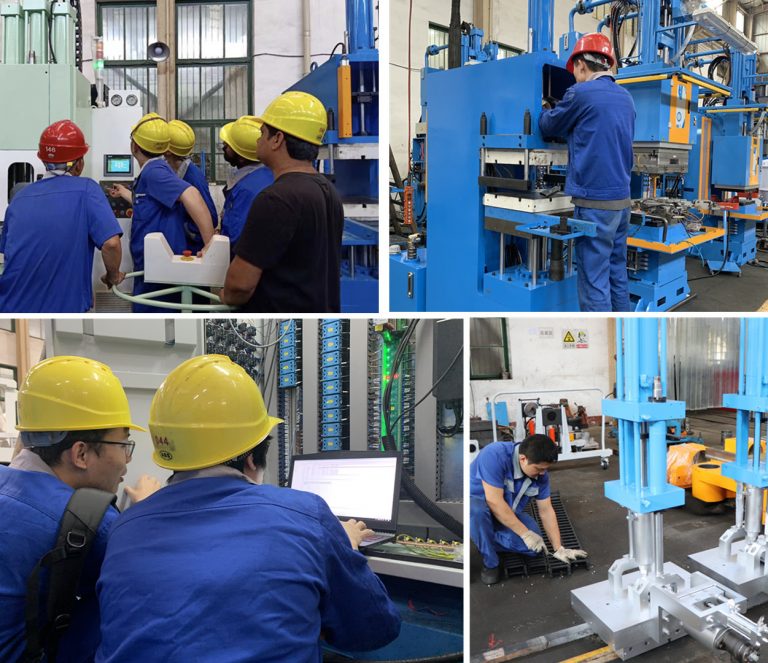
Topology versus enclosure: stiff-box frames, platen designs and tie-barless systems
When juxtaposing a traditional tie-bar press against a tie-barless, box-enclosure design, three technical variables dominate: clamping force distribution, platen deflection and access for mold changes. A stiff-box frame reduces platen bending and therefore lowers variation in clamping pressure at the mold face. Conversely, tie-barless layouts improve access and speed of changeover but impose higher demands on precision machining of the platen and guide systems. Relevant industry terms appear here: clamping force, platen deflection and mold stiffness—each directly measurable and each affecting scrap rate and maintenance intervals.

Performance trade-offs and measurable outcomes
Comparative evaluation must be evidence-based: measure platen parallelism after N cycles, track shot-to-shot pressure deviation, and log servo-hydraulic energy per cycle. The practical outcomes are straightforward—lower platen deflection correlates with fewer flashing defects and tighter dimensional control. Systems with integrated structural enclosures can provide better thermal stability for molds and tooling, which matters for high-precision rubber parts where shot size and cure uniformity are critical—yet they often cost more upfront. —A leaner machine may save initial capital but produce higher variation over time.
Common mistakes, alternatives and risk mitigation
Manufacturers often choose larger clamping force rather than improving stiffness; this is a common error because added tonnage masks alignment issues temporarily but accelerates mold wear. Alternatives include improving mold support, using stiffer mold plates or specifying preloaded guide systems. Tooling strategy, not just machine selection, determines long-run quality. Implement targeted trials: use strain gauges on the platen and conduct modal testing of the enclosure to reveal weak modes before committing to a full production line.
Choosing a turnkey partner: capabilities that matter
When comparing turnkey suppliers, prioritise these capabilities: integrated engineering for enclosure and control; demonstrable data from factory acceptance tests; experience with rubber moulding processes. Look for references in relevant manufacturing hubs—suppliers active with automotive Tier 1s in Stuttgart or high-volume sealing runs in Shenzhen will have practical lessons that translate to robust machine design. Also verify the injection unit tuning and shot-size control strategy. Suppliers who combine structural design with process control reduce integration risk more than those selling standalone presses or retrofit kits. For a focused supply option see rubber moulding machine manufacturer.
Three golden rules for selection
1) Metric-driven stiffness: insist on quantified platen parallelism and modal analysis results rather than nominal frame ratings. These metrics predict the true behaviour under clamping force.
2) Process-integrated acceptance: require FAT data that links clamping performance to shot-to-shot pressure and cycle energy. A control system that reports variance is as important as the mechanical frame.
3) Lifecycle alignment: evaluate spare-part lead times, service network and retrofit paths. A machine that is slightly more expensive but easier to maintain will lower lifecycle cost.
Expect tangible benefits if these rules are followed: reduced scrap, fewer mold repairs and more predictable throughput. This is where an experienced systems provider demonstrates value—matching enclosure stiffness to production profile and then validating performance with data. HWAYI. —a small practical assurance.