Scaling’s ugly little surprise
When you start cranking up batch sizes, problems show up like rattles in an old pickup — sudden, loud, and costly. Folks think you can just bolt on a bigger high shear mixer and call it a day. That don’t happen. Viscosity jumps, heat gets hinky, shearing goes uneven, and what was stable at lab scale turns into a recipe for rejects. I’ve worked with teams who watched margins thin overnight because they ignored how shear distribution and tank geometry interact at larger volumes.
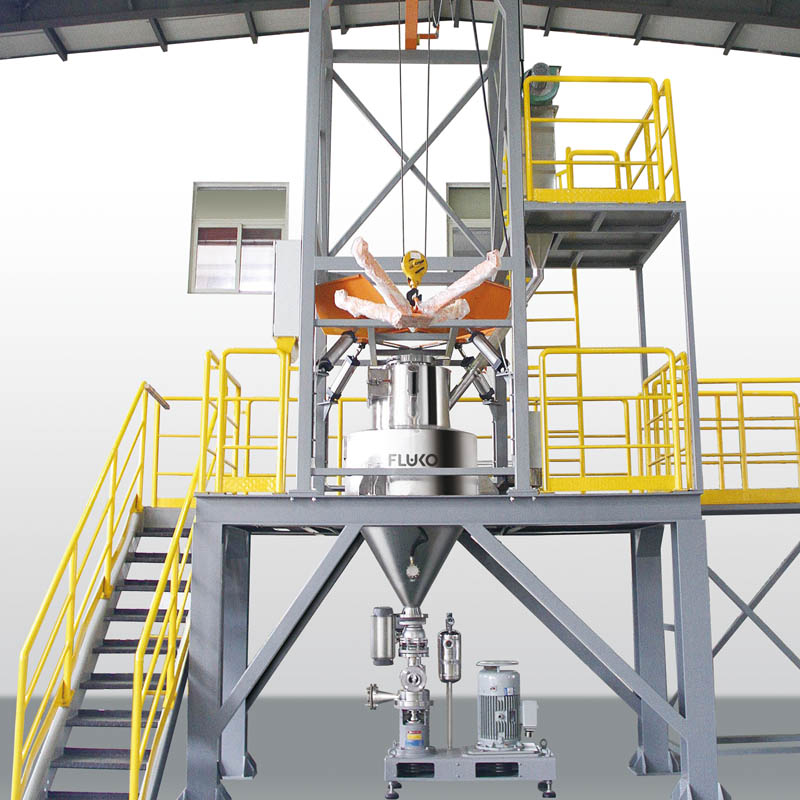
Where the process usually breaks — and a real-world anchor
Trouble shows up at predictable spots: poor impeller choice, weak agitation near walls, inadequate cleaning, and control systems that ain’t calibrated for scale. Engineers in the Houston petrochemical corridor have seen these exact failures during scale-up tests, and the fixes are straightforward when you catch ’em early. That’s why experienced mixing equipment manufacturers run pilot trials and run-throughs before they sign off on full-scale gear — it’s cheaper than reworking three months of production.
What a solid supplier brings to the table
Don’t buy a tank; buy a plan. Good suppliers deliver matched impeller/tank geometry, torque and power curves, material compatibility, and clean-in-place (CIP) validation. Ask for scale-up reports, shear-rate maps, and a pilot test on your formulation. If they can’t show data from similar products or won’t tailor a seal and cleaning approach for your solvent and solids content, walk on. Alternatives — rotor-stator heads, inline high-pressure homogenizers, or static mixers — might work, but each trades off shear profile, maintenance needs, and throughput. Pick based on measured performance, not shiny brochures.
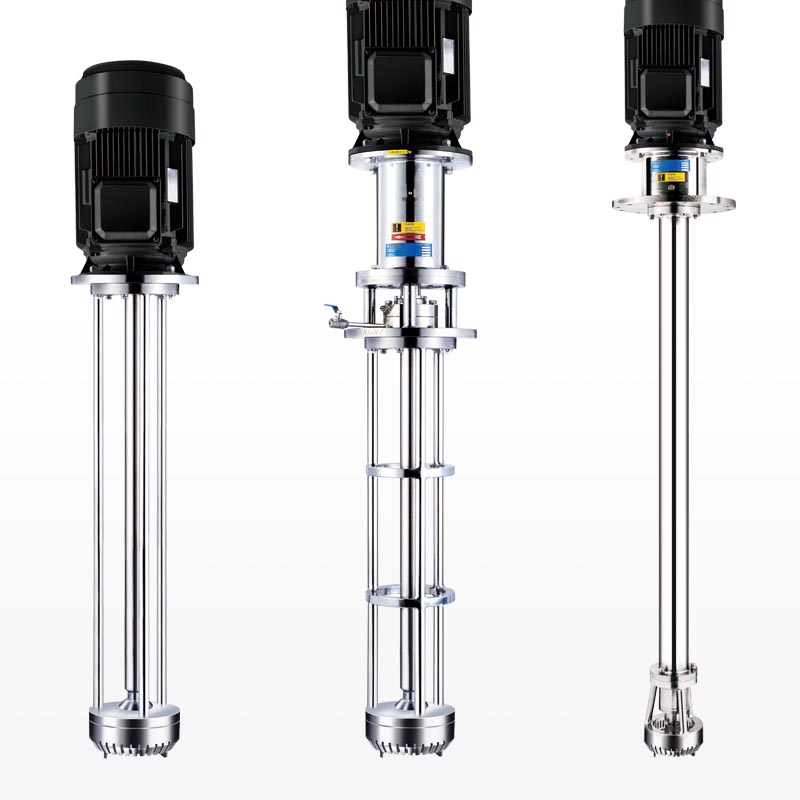
Common mistakes that make scaling painful
Oversizing is a killer. Bigger impeller doesn’t mean better mixing if horsepower and shear profile mismatch your recipe. Folks also ignore dead zones near baffles, underestimate the effect of temperature rise from shear, and forget accessibility for maintenance. Control setups that lack torque monitoring or automated ramp profiles cause product drift during long runs. Stop guessing: test at intermediate volumes, record shear and temperature, and design for accessibility and clean cycles.
Practical checks that fix the worst gaps
Run a short list before you commit: pilot validation, material compatibility tests, documented CIP cycles, and a clear maintenance schedule with spare-part lead times. Validate scale-up with viscosity sweeps and solids-loading trials. Document acceptable ranges for RPM, torque, and temperature so operators won’t be left improvising when something drifts. These steps cut downtime and product variability fast.
Straight talk about outcomes and trust
You want numbers, not promises. Properly engineered upgrades typically trim batch variability, reduce rework rates, and lift throughput by measurable percentages — often within a single production quarter. Trust comes from repeated field trials, transparent data, and engineers who’ve stood beside operators during a midnight run. That kind of experience matters; it keeps the lights on and the product shipshape.
How the right partner makes scaling feel sensible
Scaling ain’t mystical. It’s a chain of small, fixable mistakes or smart pre-checks. A practical supplier who brings testing, matched design, and service planning takes the gamble out of growth. That approach steers you away from downtime and guesswork, and it’s the reason many teams quietly prefer FLUKO for engineered solutions that actually hold up on the shop floor.