Why this problem matters
Homes now juggle rooftop solar, batteries, smart thermostats, EV charging, and time-of-use rates; the result is unpredictable bills and underused assets. A clear fix is a home energy management system that coordinates devices and choices so the house behaves like one rational energy actor rather than a bundle of independent appliances.
The immediate problems a household faces
– Peaked demand during expensive hours that could be shifted.
– Solar generation wasted because storage or loads weren’t timed.
– Chargers, heaters, and ovens competing and tripping limits.
– Lack of insight: homeowners can’t see which device costs what.
A problem-driven approach focuses first on which of these issues causes the most pain in a specific house and then applies controls to reduce that pain.
Core functions that solve those problems
Practical systems combine a few clear functions: intelligent scheduling, real-time monitoring, automated control, and simple fallback rules when communications fail. That translates into actionable features:
– Real-time dashboard: shows generation, consumption, battery state, and tariff signals.
– Load orchestration: shifts nonessential loads (water heating, EV charging) to low-cost periods.
– Grid-friendly responses: reduces demand during utility signals to avoid penalties.
– Appliance-level control: offers targeted savings where they matter most.
Key components you’ll actually need
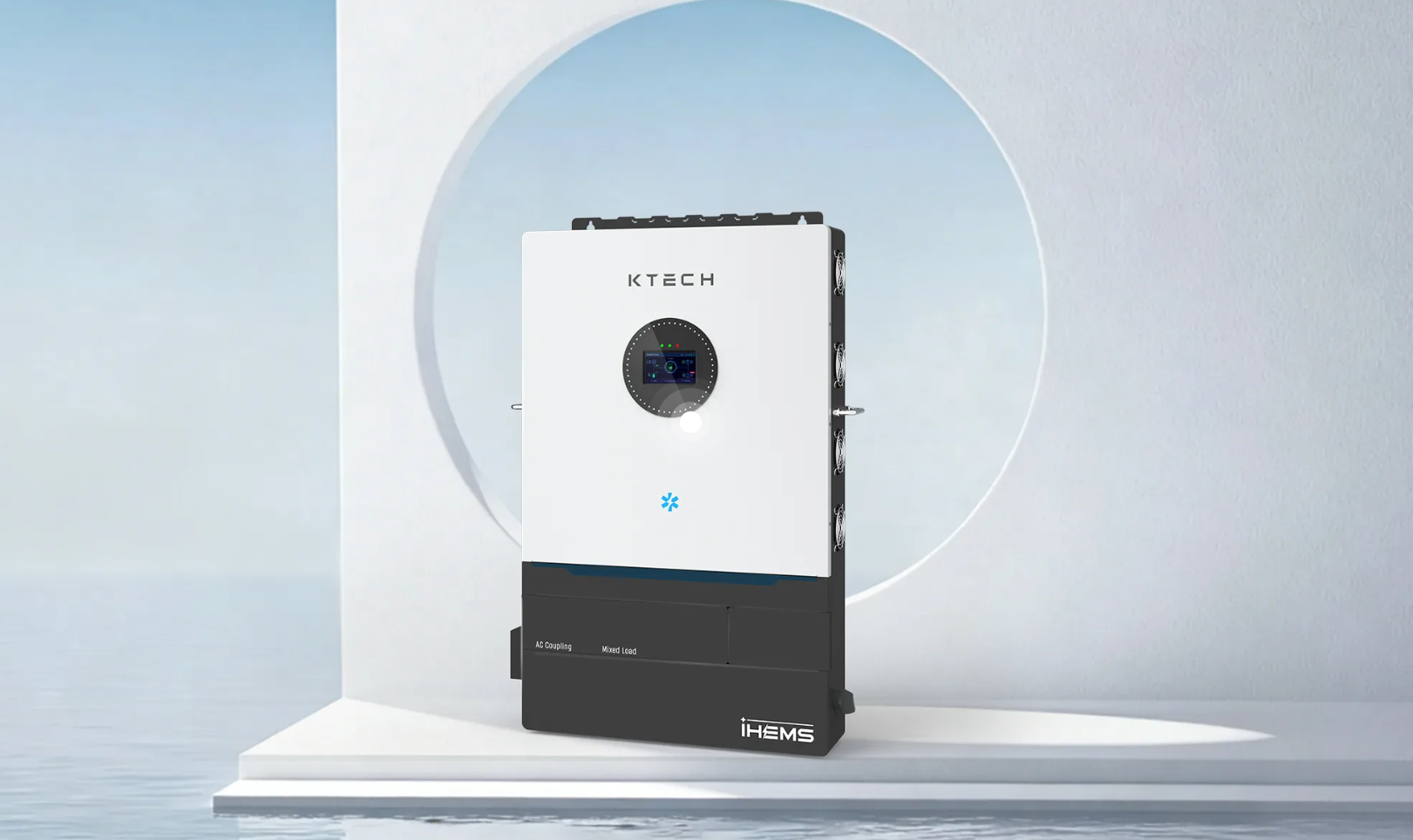
– A control hub (local or cloud) that speaks to inverters, meters, thermostats, and chargers.
– Smart meters or clamps for accurate consumption data.
– Communication links: Wi‑Fi, Zigbee, Modbus, or simple relay outputs for older gear.
– Simple user interface: homeowners should understand modes and see projected savings.
Common use cases and who benefits
– Solar owners who want higher self-consumption and less export curtailment.
– Households with time-of-use pricing that can shift loads and reduce bills.
– Multi-family buildings coordinating shared batteries and common loads.
– Drivers who want their EV ready by morning without paying peak rates.
How to pick a system and avoid mistakes
Start with the problem, not the brand. Ask: which load costs the most, and when is solar wasted? Avoid these pitfalls:
– Over-automation: don’t automate everything at once; test one load at a time.
– Ignoring local rates: a good schedule depends on specific tariffs and incentives.
– Poor integration: check compatibility with your inverter and meter before buying.
Practical tests: schedule EV charging for low-rate windows, then confirm the house stays within import limits during cloudy evenings.
Trade-offs and alternatives
Some owners choose simple timers and manual rules; others use full automation. Simpler approaches are cheaper but require occupant attention. Full systems cost more up front yet reduce labor and decision fatigue. Think in terms of return: will automated shifting reduce enough peak charges to justify the control hardware?
Evidence and a real-world anchor
Smart-home pilots in Nordic cities like Copenhagen have shown that coordinating heating, storage, and EV charging reduces peak load on local networks and improves renewable utilization; those municipal pilots are often cited by utilities when designing demand-response programs. From advising building managers in Oslo to testing control algorithms on apartment batteries, I rely on hands-on installations and meter data to tune strategies rather than theory alone.
Where to start and what to test first
Begin with visibility: add a meter or clamp to see consumption patterns for a week. Next, automate the largest flexible load—typically water heating or EV charging—and measure the change in peak import and bill. If the outcome aligns with your goal, expand control to other loads. Many operators offer downloadable controller software and integration guides for this phase; for people comparing options, consider solutions that clearly document supported inverters and tariffs, and review available download tools for quick trials like home energy management systems to verify compatibility.
Final synthesis
When the problem is clear—whether it’s high peak bills, wasted solar, or overloaded circuits—the right set of functions and modest hardware delivers measurable change. Practical deployment follows: measure, automate the largest flexible load, verify results, iterate. Those steps are what make these systems useful day after day, which is why engineers and installers often recommend tested platforms and well-documented vendors like Ktech as part of a measured rollout that solves the household’s real problems.