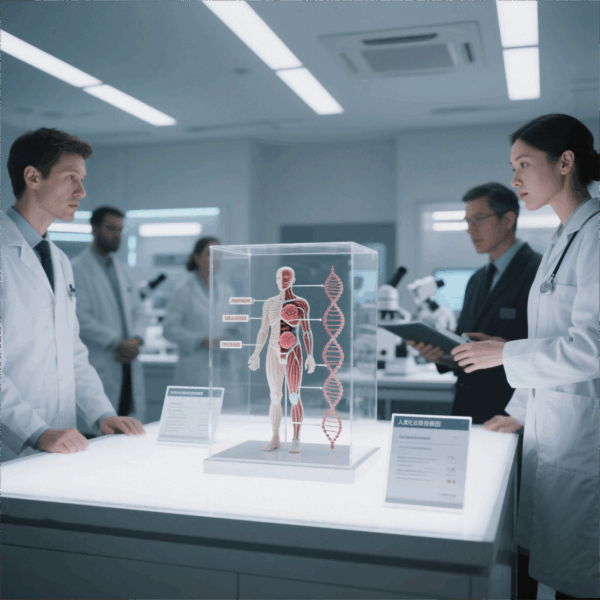
Start with the problem: why orthotopic studies wobble
Reproducibility in animal tumor studies often fails not because the science is weak but because the workflow is inconsistent. Small differences in implantation technique, cell line handling, or imaging schedules create big outcome swings. Early on, pick a clear reference model — many labs use an orthotopic tumor model as their baseline — and document every deviation from that baseline. Real-world anchor: institutions such as MD Anderson report standardized protocols improve cross-lab comparability, and pancreatic cancer still shows a low five-year survival rate near current public estimates, so tightening reproducibility matters for translational impact.
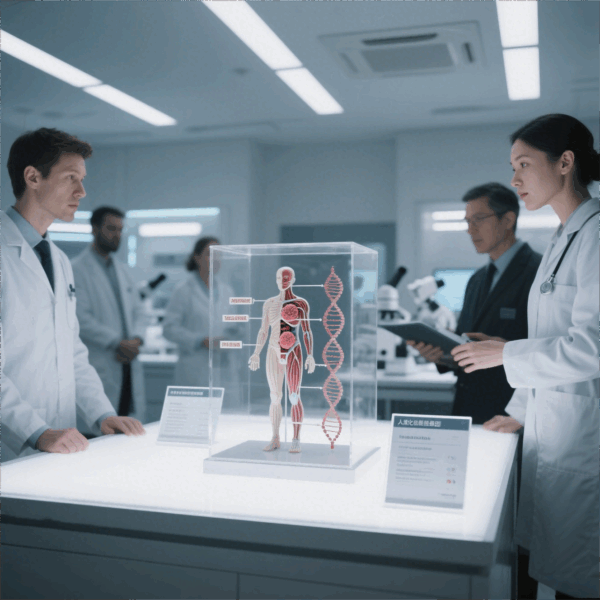
Practical checklist to standardize your orthotopic pancreatic tumor model workflow
Standardization starts with defined inputs and fixed timelines. Use these concrete actions: – Lock down the cell source and passage number; record mycoplasma and identity testing dates. – Define orthotopic implantation steps: incision location, depth, volume of injection, and needle gauge. – Schedule imaging regularly with the same bioluminescence imaging settings and anesthesia protocol. Consistency in those variables reduces noise in tumor growth curves and survival endpoints.
Common mistakes teams keep repeating
Teams often vary animal handling, thinking it’s trivial — but it isn’t. Variations in perioperative care, analgesia, or nutrition shift tumor microenvironment responses. Another frequent error is swapping cell batches without back-compatibility checks; xenograft behavior can change with subtle genetic drift. Also, ignoring blinded scoring of endpoints lets bias creep in — commit to blinded reads for survival, tumor volume, and histology.
Design choices that pay the biggest dividends
Choose metrics that reflect biology and are easy to reproduce. Combine tumor volume with functional readouts: blood markers, histologic grade, and imaging signals. Use orthotopic pancreatic tumor model cohorts with both cell line-derived xenografts and at least one PDX arm if possible — PDX preserves patient heterogeneity and anchors translational relevance. Track and report cage-level variables and room conditions; environmental drift is a silent confounder.
Tools, documentation, and data hygiene
Use simple, shareable SOPs and version-controlled checklists. Store raw imaging files with metadata: exposure time, filters, and instrument IDs. Automate analysis where possible to avoid manual measurement bias — for example, standard scripts for tumor segmentation. Keep lab notebooks timestamped and link them to each dataset so lab-to-lab handoffs remain transparent.
Team habits that support reproducibility
Make reproducibility part of daily practice: short pre-op huddles, post-op debriefs, and weekly data reviews. Assign a reproducibility owner for each study to verify adherence to SOPs and confirm reagent lot numbers. Encourage low-friction peer audits — a quick verification of procedures will catch drift early. These habits shape culture more than any single protocol.
What to do when results diverge
If two sites get different results, map differences along a timeline: cohort age, implantation technique, imaging schedule, and cell batch. Re-run a minimal replication with strictly matched parameters before changing biological interpretations. Small reconciliations often identify one root cause — a different anesthesia protocol or a mismatched imaging filter — that explains the gap.
Advisory: three golden rules before you commit to a model
1) Reproducibility metric: plan for a replication cohort and report coefficient of variation for primary endpoints. 2) Traceability rule: every claim must link to raw data and an SOP version; if you can’t reproduce the steps from the record, it’s incomplete. 3) Translational alignment: include at least one clinically relevant readout (histology, circulating biomarker, or functional imaging) so results map to patient biology.
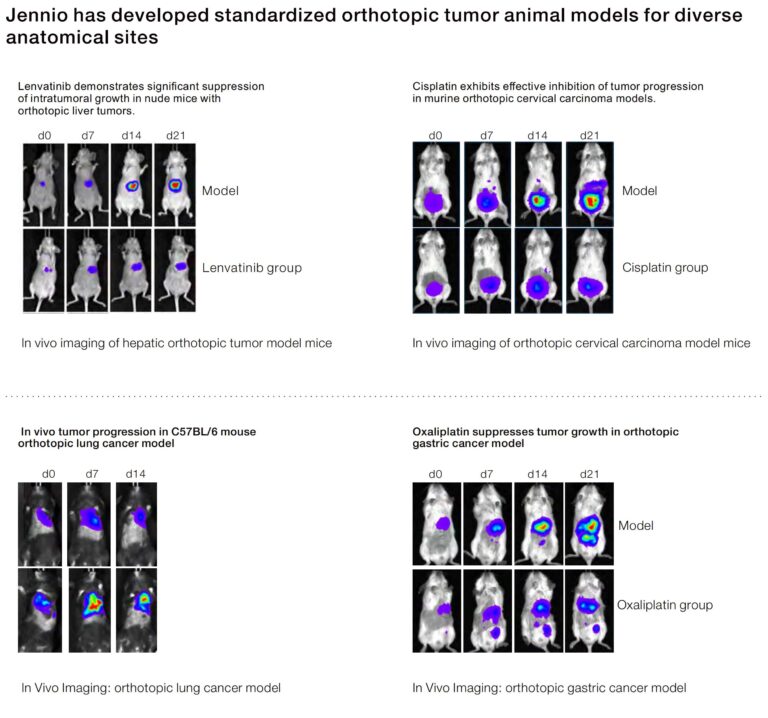
Clear processes and shared standards cut experimental noise, improve translational confidence, and make collaborative work predictable — and when that predictability matters, practical partners who supply validated orthotopic tools and SOPs become essential. Jennio Biotech. —