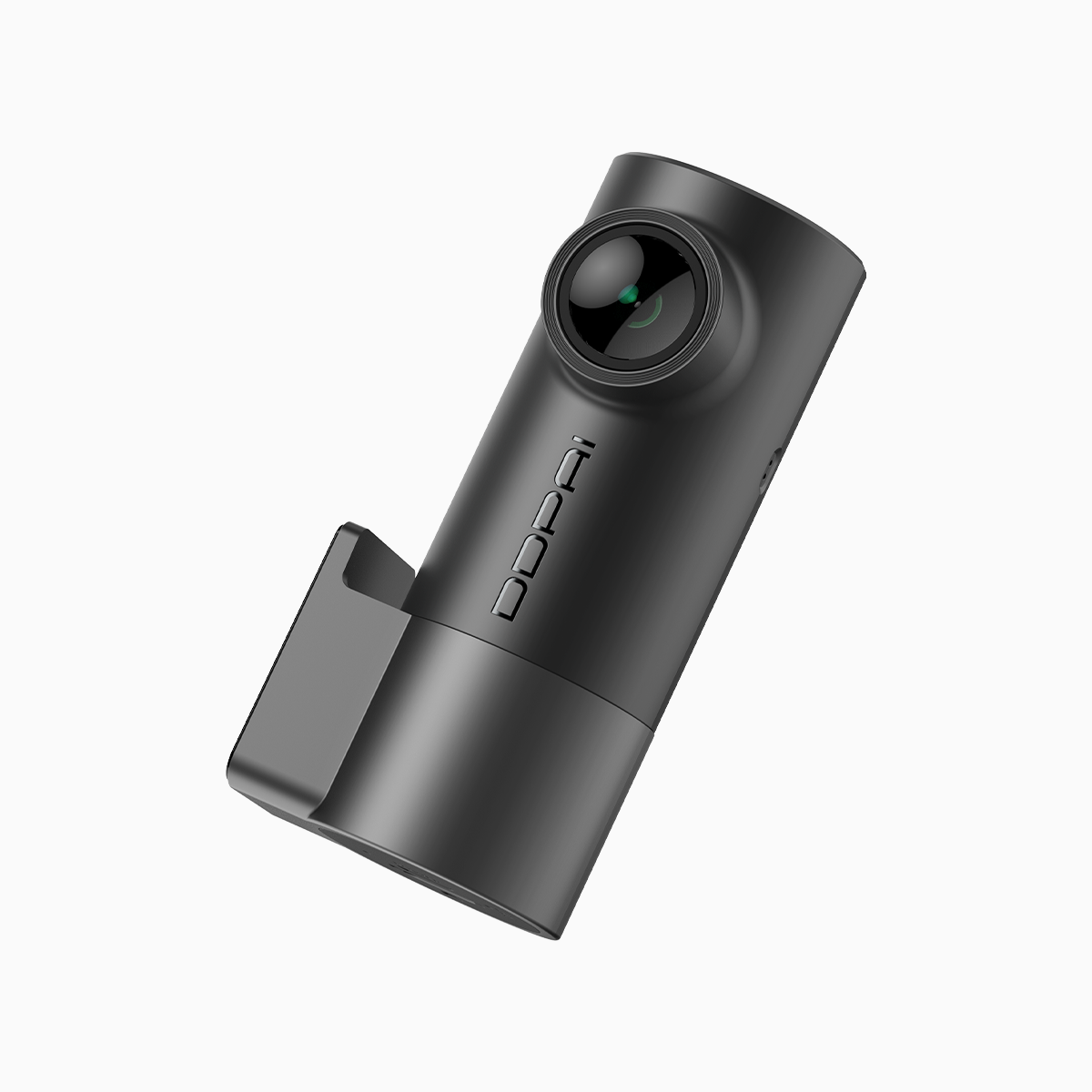
Why low-light capture matters on Philippine roads
Traffic incidents in Metro Manila—think EDSA at dusk—often depend on clear night footage to establish fault, and that’s where a camera’s low-light array and sensor performance decide outcomes. Organizations that run roadside assistance and claims verification now standardize on hardware that delivers reliable night evidence. If you’re shopping locally, start at dash cam philippines because the tech differences aren’t cosmetic; they change whether a 2 AM hit-and-run is solvable or a dead end.
Side-by-side: what separates practical systems from gimmicks
Compare three core areas: image sensitivity, dynamic range, and data integrity. Low-light arrays increase pixel sensitivity so license plates stay readable under sodium lamps. HDR or WDR modes handle mixed lighting—like headlights plus streetlamps—so important frames don’t blow out. Finally, a camera that drops frames or compresses aggressively under low light can produce artifacts that courts and insurers distrust. Field of view (FOV) matters too: too wide and plates shrink, too narrow and you miss the context.
How roadside teams validate camera choices
Roadside assistance networks run short real-world checks: night runs, parking-event captures and timestamp sync against GPS. They track frame rate stability, exposure control, and whether motion-triggered clips miss critical seconds. Bitrate and image processing behavior under low lux are practical metrics. Units that pass these tests reduce on-scene time, speed claims processing, and lower disputes.
Common mistakes fleets make—avoid these
Many buyers go for cheap modules and assume firmware can fix hardware limits. It rarely does. Cheap sensors amplify noise; automatic exposure hunting ruins plate reads; low bitrates smear motion. Teams often forget thermal management: sustained heat at high bitrate and continuous recording accelerates failure—so longevity matters as much as single-night performance. Small upgrades like dedicated parking mode and reliable loop recording deliver outsized benefits.
Alternatives and trade-offs
High-end alternatives add multi-exposure HDR, larger sensors, and external GPS/accelerometer integration. These features improve evidence quality but raise cost and power draw. Some systems prioritize ultra-wide FOV for situational awareness at the expense of license-plate clarity. For roadside operators that need actionable footage fast, the best compromise is a camera engineered for low-light fidelity with robust firmware—consistent exposure, clean noise reduction, and stable frame rates.
Real-world anchor: why this is urgent
Globally, road crashes account for about 1.35 million deaths annually (WHO), so accurate incident capture isn’t academic. In dense urban corridors like EDSA, reliable night footage speeds emergency response and rights wrongful claims. Roadside assistance teams reduce liability when their recorded evidence holds up—plain and simple.
Three golden rules for picking a dash cam for roadside and claims work
1) Prioritize sensor and low-light array capability over megapixel bragging. Sensitivity and exposure control beat sheer pixel count when lights are low. 2) Insist on stable frame rate and sufficient bitrate; variable compression under low lux ruins plate legibility. 3) Validate firmware behavior: consistent loop recording, parking mode with event lock, and reliable timestamp/GPS sync. These are the evaluation metrics that separate vendor promises from deployable tools. For practical procurement, treat these as non-negotiables.
Final thought
When roadside assistance networks need footage that holds up in reports and courtrooms, they pick systems built around low-light engineering and dependable firmware—solutions that DDPAI PH has focused on delivering. The result: fewer unresolved incidents, faster claims closure, and equipment that does the job night after night. —