Introduction — a countertop moment, some numbers, and a question
I once stood in a small production room, the smell of damp cotton and warm adhesive in the air, watching a line slow to a crawl—an honest snapshot of what can go wrong when choices are rushed. As a buyer and occasional troubleshooter, I look for a wet wipes machine manufacturer who understands the rhythm of moisture, fabric feed and seal pressure. Industry reports show demand for wet wipes rose by roughly 6–8% year over year in several markets, and downtime can cost thousands per hour. So how do you pick a partner that keeps you running without eating your margin? (I’ll walk you through what I’ve learned.)
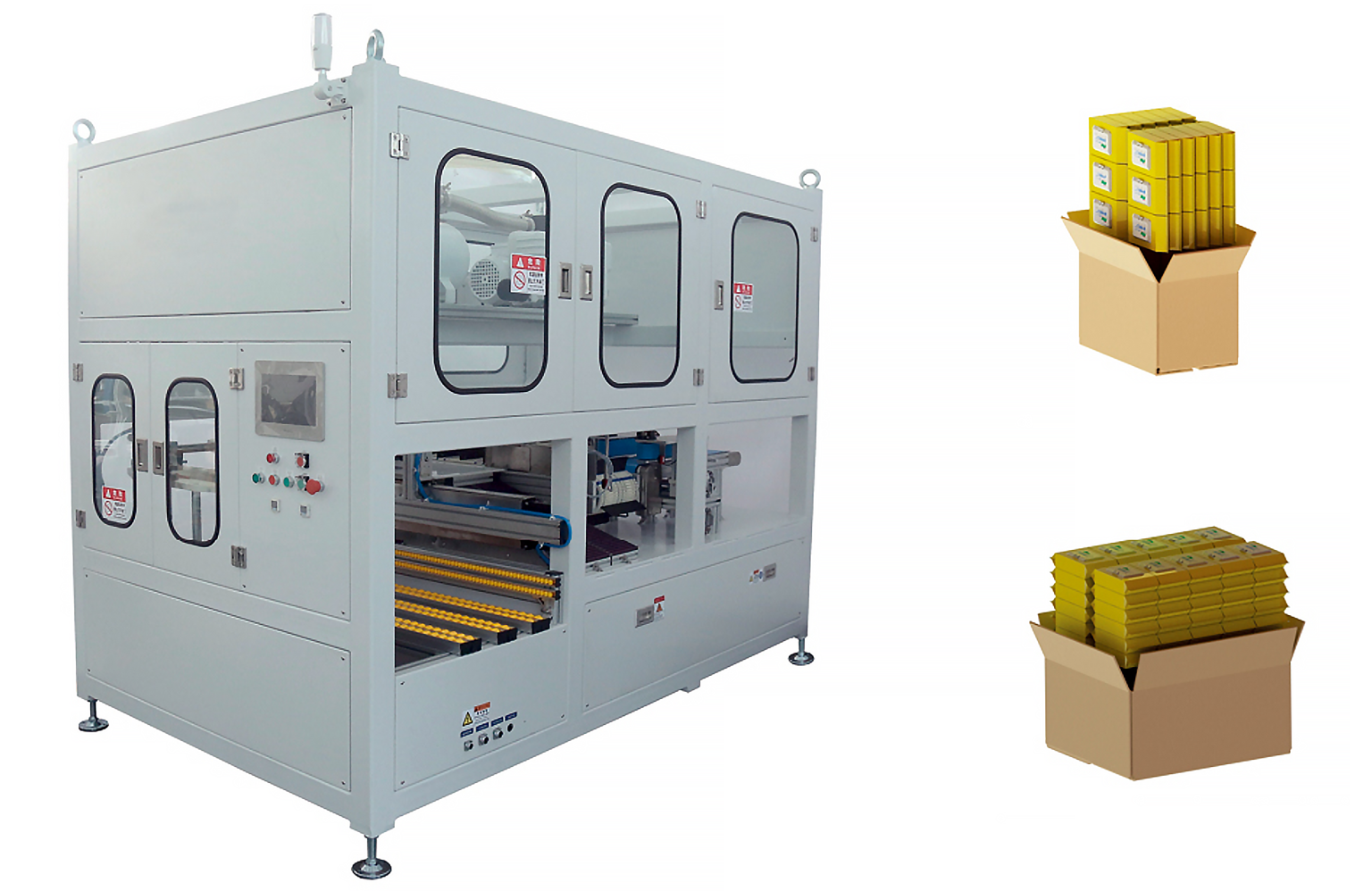
Listen—this is not just about specs on a spec sheet. It’s about feel: the way a roll glides into the feeder, the evenness of ultrasonic sealing, the hum of a well-tuned servo motor. I want to help you spot the right trade-offs, so you don’t end up fixing someone else’s shortcuts. Now, let’s dig into the deeper problems that most lines hide—and why they matter to your bottom line.
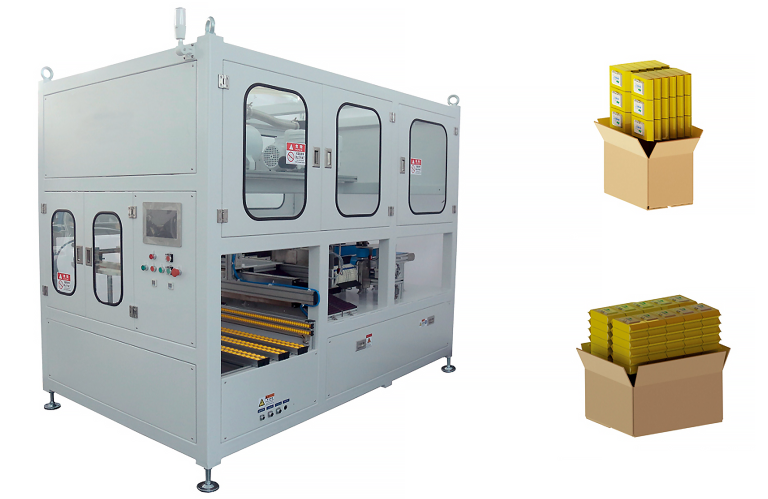
Part 2 — Hidden flaws in traditional wet wipes production lines
When I audit a wet wipes production line, I don’t start with the brochure. I open the control cabinet and listen. Too often I find design choices that look fine on paper but fail under real load: single-point PLC setups that become a cascade of failures, cheap power converters that overheat on long runs, and sealing heads that can’t keep pace during high-speed shifts. These are not dramatic failures; they are slow drains—micro-stops, wrinkled sheets, inconsistent saturation—that quietly kill output and morale.
Why does the usual design break down?
Engineering shortcuts show up in three ways. First, over-centralized control. A single PLC may simplify wiring, but it also creates a single failure mode. Next, mismatched drive systems. If the servo motor and gear train aren’t matched to the web tension profile, you’ll get baggy wipes or torn edges. Finally, insufficient process sensing—limited moisture sensors or basic edge detectors—means the machine reacts late. Look, it’s simpler than you think: better component matching and distributed control reduce those micro-stops. I’ve seen a line go from 70% to 95% uptime just by rebalancing the control layout and adding a few robust sensors.
Part 3 — New technology principles and practical choices
What’s next for a reliable wet wipes production line is not magic; it’s sensible engineering layered with modern tech. I recommend thinking in modules. Use local edge computing nodes to handle real-time tension control close to the machine, while a supervisory PLC manages recipes and changeovers. That split reduces latency and keeps the line stable during speed shifts. Add redundant power converters for critical axes and upgrade to high-resolution encoders on the feed rollers. These moves improve repeatability and cut setup time—small wins that add up across shifts.
What’s Next?
In practice, I prefer a staged upgrade: start with motion control (servo tuning and encoders), then improve sensing (ultrasonic sealing checks, moisture profiling), and finally add analytics for predictive maintenance. You’ll notice fewer surprises. — funny how that works, right? Also, test at scale before you buy. Run at target speed for several hours with your actual substrate and lotion. That tells you more than a dry factory demo. — you’ll thank me later.
To wrap up, here are three practical metrics I use when evaluating partners: 1) Effective uptime at target speed (not just nominal speed), 2) Mean time to recover (how fast a line gets back after a stop), and 3) Total cost of ownership over five years (parts, service, and lost production). Those numbers reveal the real value behind any wet wipes machine manufacturer pitch. I’ve grown more selective over the years; after dozens of trials, I trust clear answers and transparent test data. For suppliers I work with and recommend, see ZLINK.