Introduction — a quick workshop warm-up
I was on a noisy job site last month, watching a crew swap busted tools for safer options — the scene stuck with me. In that moment I thought about the role of a non-sparking hammer in preventing sparks and near-misses, and then I dug up some numbers: combustible-atmosphere incidents drop noticeably when non-ferrous tools are used (industry reports show reductions approaching 30% in some settings). So here’s the question I asked myself — and you: how do you pick a tool that actually performs under pressure? (Stick with me — we’ll make this simple and useful.)
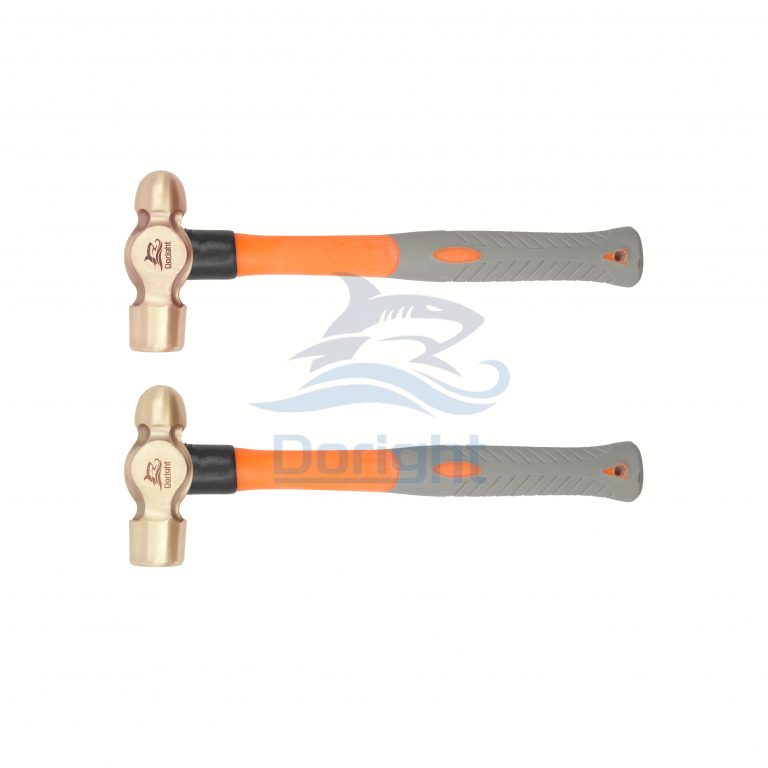
I want this to feel like a training session. Think of the hammer as your core strength move: technique matters, weight matters, and so does material. I’ll walk you through what I’ve learned on sites, in labs, and from tool rooms where budgets and safety collide. We’ll keep it tight, actionable, and a little blunt — because safety shouldn’t be fluffy. Ready to dig deeper? Let’s go—next we break down where classic approaches trip up.
Part 2 — Why traditional choices often fail (a technical look)
Why do classic designs fail?
When we examine a non-sparking hammer up close, common flaws appear fast: poor alloy choice, thin striking faces, and weak handle joins. I’ve seen hammers that pass a quick inspection but fail under repeated impact — and that’s where the risk multiplies. From a materials view, using the wrong beryllium copper alloy or misjudging stress points leads to deformation and micro-fractures. Add fatigue, and small flaws can turn into catastrophic failure. Look, it’s simpler than you think: choose material and geometry that match the task, not the price tag.
Technically speaking, many older designs were optimized for weight or cost rather than for controlled energy transfer and durability. Issues like suboptimal hardness balance (too soft and the face dents; too hard and it chips) or inadequate bonding at the head-handle interface are not rare. In the field we also worry about spark testing, abrasion resistance, and whether tools remain intrinsically safe after long-term use. I’ve done inspections where a tool looked fine but failed a spark test — funny how that works, right? These are avoidable problems if you know what to look for: material spec, heat treatment, and quality assurance processes. Those three are the real gatekeepers.
Part 3 — New technology principles and what to watch next
What’s Next: smarter, tougher, safer
Looking ahead, I’m excited about design shifts that blend classic metallurgy with modern processes. New principles—controlled alloying, precision heat treatment, and modular handle systems—let us target performance and safety together. For example, engineered non-ferrous blends can give the head a predictable hardness range while keeping the tool non-sparking. Combine that with ergonomic vibration dampening and you get a tool that reduces user fatigue and lasts longer. I’ll admit, I was skeptical at first, but seeing prototypes in fatigue testing changed my view.
For users, that means the next generation of non sparking safety hammer will focus on task-matched designs (chipping hammers, machinist hammers, and more), improved QA checks like standardized spark testing, and clearer specs from manufacturers. You’ll also notice better documentation — tensile strength, hardness values, and recommended use cases — which helps us pick right. Short pause — it all sounds technical, but the payoff is practical: fewer replacements, fewer incidents, and calmer crews. Now, to close, here are three evaluation metrics I rely on when choosing a tool.
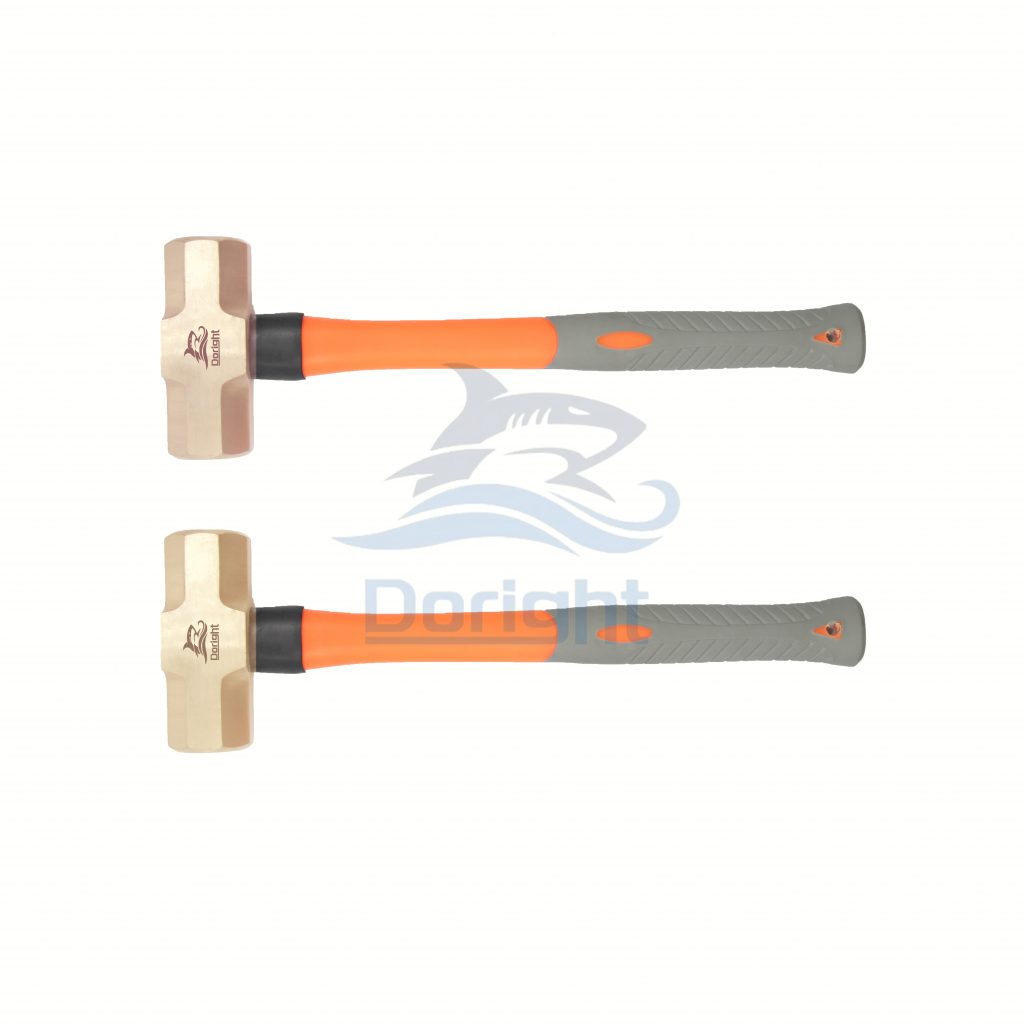
Three key metrics I use: 1) Material certification and hardness range — know the alloy and its treatment; 2) Durability under repeated impact (fatigue test results or field data); 3) Ergonomics and handle integrity — a good grip and a strong bond matter. Use these to compare options quickly on-site or in the spec sheet. I’m sharing this because I want you to make choices that save time and lives — and save money by reducing failures. For trusted sourcing and solid product options, I turn to companies I can hold accountable — including Doright.