Setting the Scene: Where Shows Succeed or Slip
Here’s the blunt truth: most outdoor light shows fail because the setup fights the environment, not because the idea is bad. Festival laser lights show up in that same wind, rain, and crowd noise—but they tend to hold up. Picture a town square winter fair: fog rolling in, 30% temperature swings, and a noisy power grid. Last year’s report from the city crew logged a 27% outage rate on string-light circuits during peak hours. You moved thousands of people through dim areas and hot spots. Is that what the audience paid for?

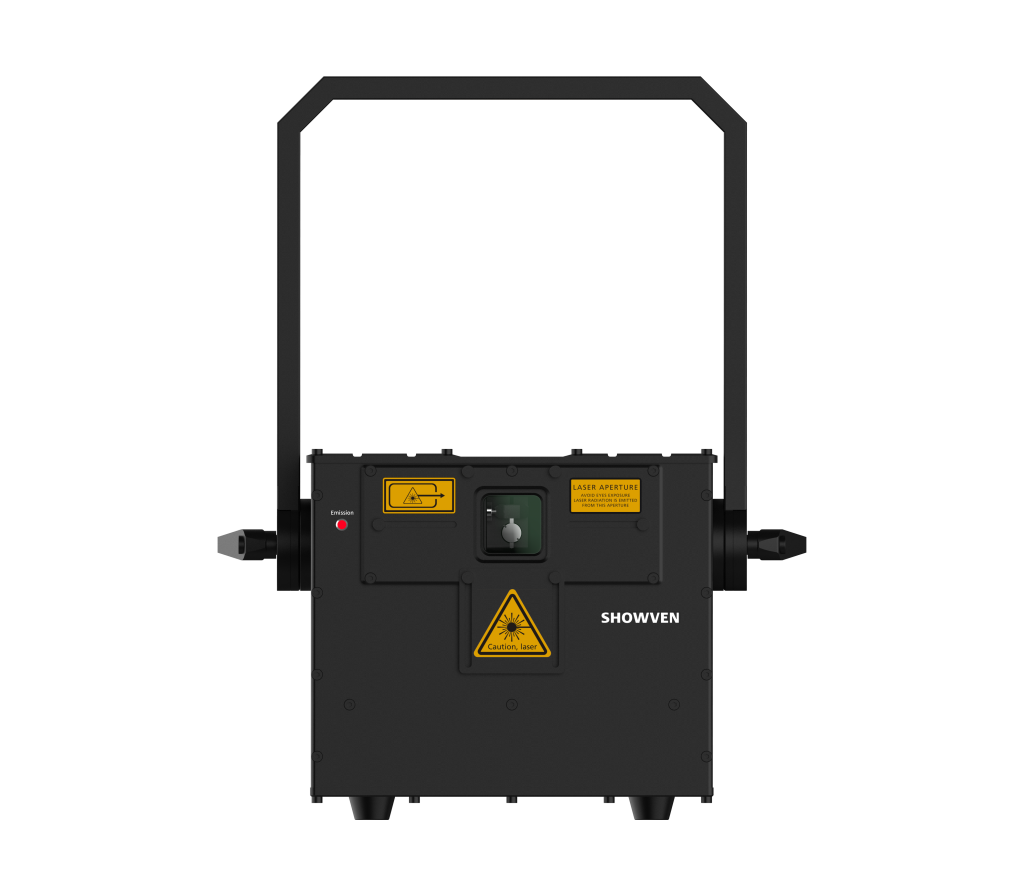
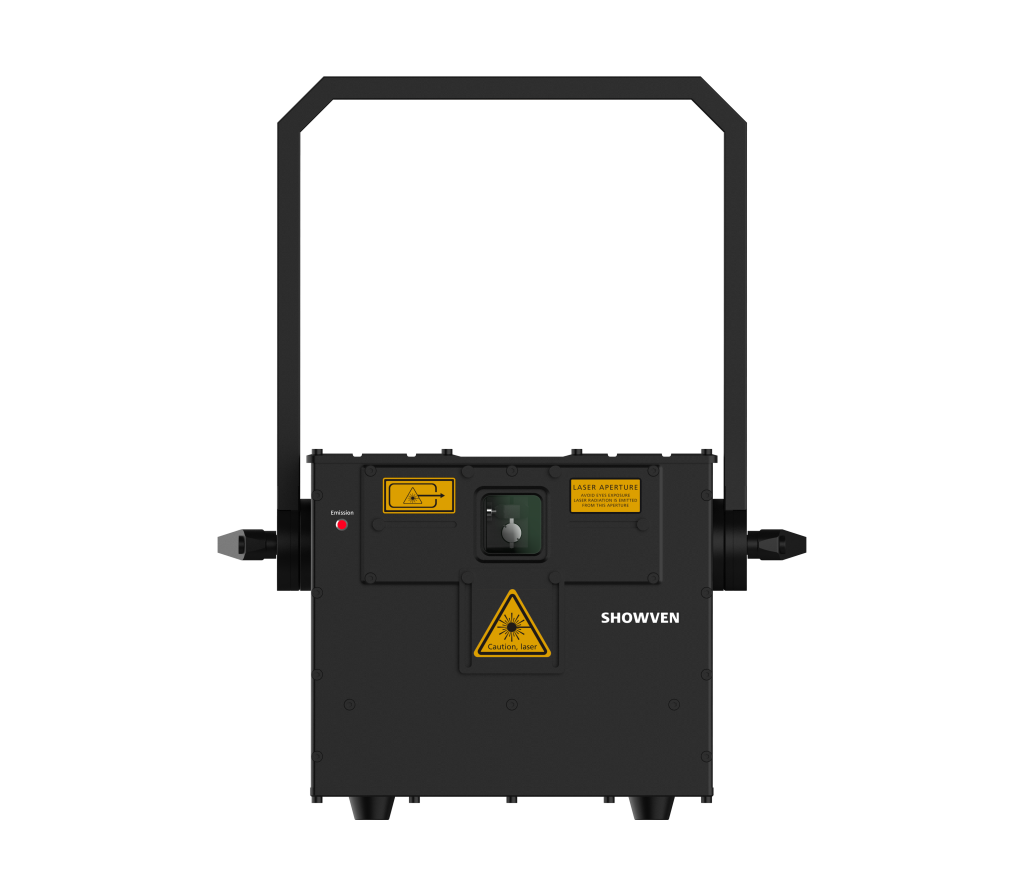
Now compare it with a well-tuned laser holiday light projector running a tight schedule. Same stage. Different outcome. The difference is not only brightness. It’s about beam control, thermal tolerance, and the way the system manages power under load. In tech terms, beam divergence, optical alignment, and stable power converters beat sagging voltage and random wiring any day. (And yes—safety interlocks and watchdogs matter.) If your setup can’t predict swings, it will lag or shut down. That is why a “simple” light job turns complex—funny how that works, right?
So, what keeps a laser show crisp when old rigs stumble? Let’s move from vibe to mechanics.
Part 2: Hidden Pain Points You Don’t See Until Show Time
Why do good projectors still disappoint?
In Part 1, we mapped the visible risks. Now we dig into the quiet ones that break your night. The first is heat. Many rigs look fine at load-in but throttle under heat soak. Once the housing rises, beam power drops, scanners jitter, and colors drift. That is a heat sink and airflow issue, not a “bad unit.” The second is control latency. If DMX timing or Art-Net packets arrive unevenly, patterns smear. Galvanometer scanners can’t paint clean frames if the clock slips. Look, it’s simpler than you think: stable clocks, clean signal paths, and proper grounding tame most “mystery” failures.
Weather is the third pain point. IP65 is a headline, but seals compress, cables wick water, and quick connects trap condensation. One small leak and you invite corrosion on connectors and PCB pads. Then comes power. Cheap splitters and mismatched SMPS power converters add ripple. Ripple feeds PWM drivers and causes flicker or color noise. You blame content, but it is electrical hygiene. Add correct load balancing, surge suppression, and proper earth. Choose optics that hold alignment under vibration. Keep beam divergence tight for distance, yet safe. Small fixes, big wins—funny how that works, right?
Forward-Looking: Principles That Change the Night
What’s Next
To move beyond patchwork, newer systems bring three principles to the front. First, sealed mechanics tuned for water and heat. A true IP66 build is not just a gasket; it is a case geometry that drains, a breather valve to manage pressure, and thermal paths that pull heat out fast. That is why a unit labeled laser light waterproof must also show stable output after a soak-and-heat cycle. Second, power integrity by design: constant-current drivers, low-ripple SMPS power converters, and surge protection at the inlet. Third, time-aware control. Local edge computing nodes handle cues on-site, so packet jitters from Wi‑Fi or long runs cannot spoil the frame. The MCU keeps a steady clock; frames stay sharp.
Optics and motion also evolve. Beam shaping optics reduce spill while holding safety margins. Faster galvanometer scanners or MEMS mirrors track clean lines even with complex frames. Firmware over-the-air makes fixes routine—no truck roll, fewer delays. And pacing? You schedule content by ambient data: wind, audience flow, even noise. The system adapts. It lifts power when fog scatters light; it cuts when particulate rises. That is not a gimmick—it is control theory applied to shows. The result is resilience. Fewer surprises. More consistent wow. And yes, fewer end-of-night apologies.
How to Choose: 3 Metrics That Matter
Optical Performance and Control Stability: Check beam divergence at your throw distance, not just the spec sheet number. Verify scanner speed and frame stability under your actual content, not a test pattern. Ask to see DMX/Art‑Net timing logs and jitter tolerance. A clean path plus solid clocks equals clean drawings in the sky.
Weather and Thermal Discipline: Look beyond the label. Demand test data for IP65/IP66 after vibration and temperature cycling. Inspect gasket design, drain paths, and connector seals. Review thermal plots at full duty. If the unit heat soaks and throttles, your show will fade. Water ingress protection without thermal headroom is a half fix—and yes, it matters.
Power and Safety Architecture: Confirm surge protection at the inlet, proper earthing, and low-ripple rails. Ask about constant-current drivers for diodes and line filtering for RF noise. Safety interlocks, keyed enable, and emergency stop loops are non‑negotiable. If the system can fail safe, it can fail small. If not, you carry the risk.
Measured like this, the choice gets clearer. You buy fewer boxes, but better ones, and you plan the grid. The outcome is a brighter show, fewer resets, and a calmer crew at 23:00. For deeper technical references and product documentation, see Showven Laser.