Putting the pond owner first
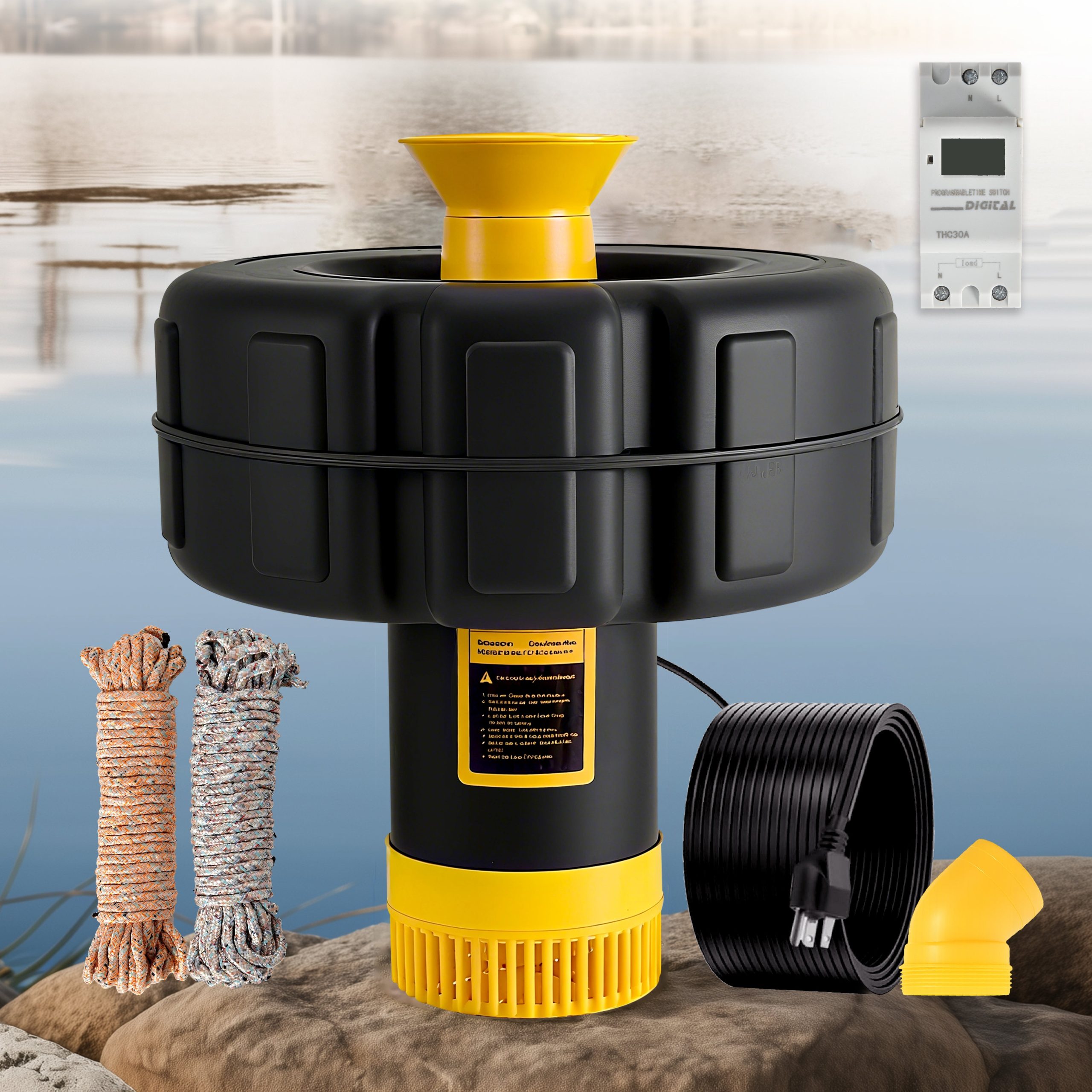
If you care about a healthy, attractive water feature—and you want solutions that are easy to live with—then design choices should answer everyday questions: How noisy is the system? Will it clog? How much power does it use? Orison’s approach targets those user concerns, emphasizing low-noise operation and dependable performance for both decorative pond fountain installations and functional aeration. That focus matters whether you’re managing a backyard wildlife pond or a community feature near a public park.
What Orison prioritizes in product design
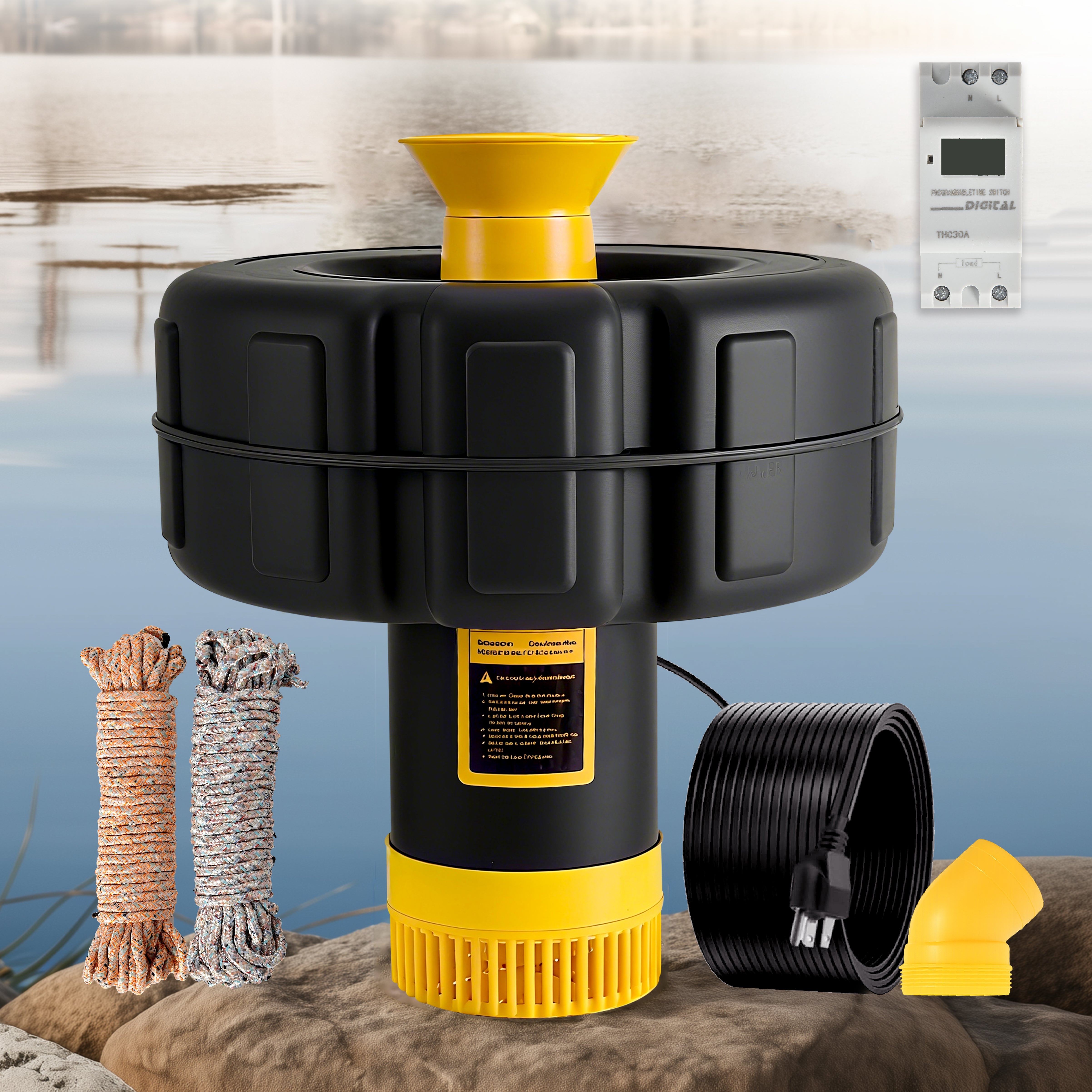
Orison centers three practical goals: quiet operation, predictable maintenance, and modular compatibility. Quiet operation comes from isolating mechanical vibration and matching pump curves to nozzle geometry so flow is smooth rather than turbulent. Predictable maintenance means accessible components—like a user-serviceable submersible pump—and clear replacement parts. Modular compatibility covers standardized mounts and fittings so you can pair the system with a surface skimmer or add a small diffused aeration module later without reworking pipework. These choices reduce friction for owners who don’t want a second job maintaining their water feature.
Performance in real-world conditions
In practice, Orison balances flow rate with oxygen transfer—recognizing that visual spray height and biological needs aren’t the same metric. High visual flow can look impressive but may not improve dissolved oxygen as efficiently as targeted aeration patterns designed to increase oxygen transfer rate. For ponds prone to stratification or algae, combining a fountain head with a gentle diffused aeration pattern often yields better long-term results than a louder, high-spray showpiece. Evidence from municipal waterways and the increased attention on harmful algal blooms—most notably the 2014 Lake Erie event—reinforces that aeration strategy matters for water quality management.
When fountain design meets aeration needs
Orison’s integrated units let you start with a decorative nozzle and add a fountain aerator for pond function later. That flexibility is useful: homeowners can prioritize aesthetics during installation, then upgrade to improve oxygenation as the ecosystem evolves. The company’s nozzle options and air-stone-compatible fittings make retrofits straightforward. From a maintenance perspective, keep an eye on intake screens and routine cleaning intervals—neglect there undermines even the best engineering.
Common mistakes owners make—and how Orison’s approach helps
People often assume bigger equals better: a larger spray will solve clarity or odor issues. It doesn’t—you’re trading energy and splash for marginal water-quality gain. Another frequent mistake is ignoring pump-flow curves when replacing parts; mismatched pumps can cavitate or run inefficiently. Orison mitigates these problems by publishing pump specs and recommending matching pump and nozzle pairings—so you’re less likely to over-spec. And when you’re retrofitting, remember to check fittings for compatibility with your existing surface skimmer or intake piping—small diameter mismatches are a common headache. —
Comparing alternatives briefly
If your priority is showy visual effect, purely decorative fountains from some manufacturers offer dramatic spray patterns but often lack provisions for aeration or durable intake protection. Conversely, industrial aeration systems focus on oxygen transfer and may be noisy or visually unappealing. Orison aims for the middle ground: aesthetically pleasing fountain heads with the option to introduce diffused aeration or a low-profile aerator accessory. For users wanting explicit aeration performance, consider systems rated for oxygen transfer or those that publish dissolved oxygen improvement metrics.
Practical installation tips
1) Match pump rated head to total dynamic head of your setup, and confirm that the selected nozzle delivers the intended flow at that head. 2) Place intakes where debris is minimal and install a pre-filter screen you can access without draining the pond. 3) Schedule seasonal flushes for intake and air lines to avoid biofilm buildup—this keeps air-stone performance reliable. These small steps make a big difference in uptime and help preserve the local ecosystem, especially in warmer months when algae pressures rise.
Three golden rules for choosing the right system
1) Prioritize compatibility metrics: verify pump curves, nozzle flow rates, and fitting sizes before purchase. 2) Value long-term maintainability: choose designs with accessible submersible pump housings and replaceable air stones or filters. 3) Measure two outcomes, not one: evaluate both visual flow and dissolved oxygen performance when assessing success—don’t be seduced by spray height alone.
These rules point to systems that are pleasant to live with and effective over time. For many pond owners, that balance is precisely what Orison provides—an engineered middle ground where quiet operation, upgradeable aeration, and straightforward serviceability converge. Orison. —