
Introduction
Picture this: the new grooming serum is ready, launch is next week, and the caps start popping off in the first test ship. You call a pet cosmetic bottle manufacturer. The team sounds helpful, but data says otherwise: returns can jump 12% when closure torque drifts, even if everything looked “fine” at the factory. So how do you tell a solid partner from a risky one, fast? You could price-shop, or you could compare a cosmetic pet bottles suppliers manufacturer using real signals—like how they control preform weight, or how they run SPC on neck finish. In school terms, it’s like checking your work, but with bottles. And yes, nerdy stuff like ISBM line setup and torque spec actually saves the day (and your budget). What should you look at first, and how do you keep it simple when timelines are tight?
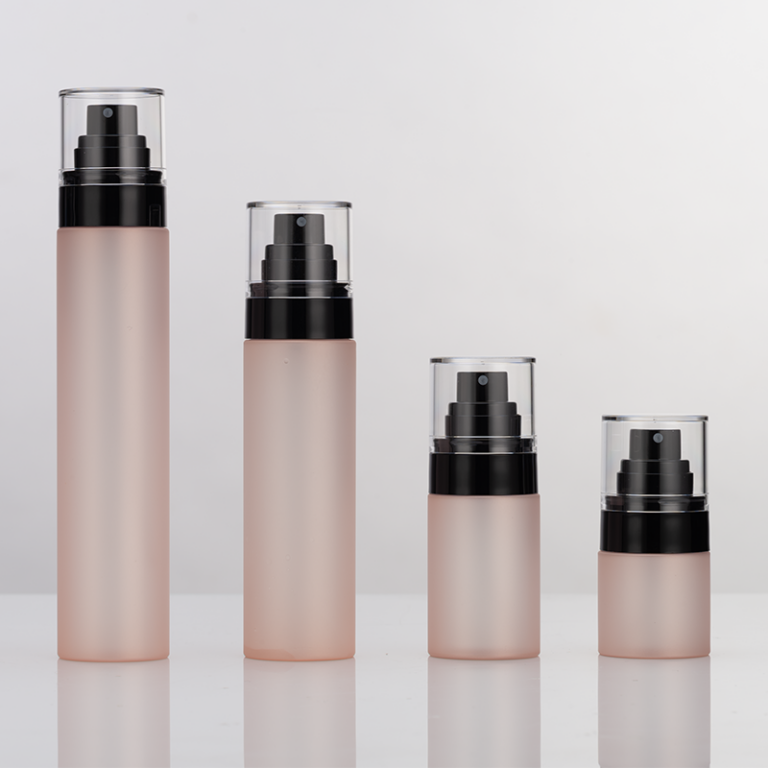
Let’s break it down and move from guesswork to smarter checks—step by step.
Hidden Pain Points You Don’t See in the Quote
Technical note up front: failure often hides between the lines. Price tells you almost nothing about dimensional tolerance, cap fit, or color masterbatch stability. Traditional vendor checks focus on catalog, MOQ, and speed. But the real risks live elsewhere. If a vendor can’t show neck finish data (say, 24/410) with Cpk over 1.33, your caps may feel “okay” on the bench and fail in transit. If they don’t document preform ratios for different gram weights, you might see paneling or stress whitening after filling. And if they skip lot traceability, good luck finding root causes when a single pallet shows micro-cracks after a drop test.
Where do small misses become big costs?
Look, it’s simpler than you think. Ask how they control heat profiles in injection stretch blow molding. If the answer is “our operator watches it,” that’s a flag. You want logged profiles, not vibes. Ask if they run torque audits with a calibrated capper chuck and report scatter, not just averages—because averages hide leaks. Ask about PCR PET and how they validate mechanical strength when recycled content goes above 30% (hint: EVOH barrier or thicker shoulder can help). And ask what they do when color drift happens in hot weather—do they pull SPC charts or just “tune the machine”? These aren’t trick questions. They reveal the health of the process, not the gloss of the catalog.

Comparative Lens: Tech Signals That Predict Fewer Headaches
Here’s the forward-looking piece: treat each factory like a system with inputs and control loops. Newer lines log more than output—they capture preform temperature bands, blow pressure curves, and cooling time per cavity. That data is gold. When a plant can overlay two weeks of cavity-level defects and show cavity 6 trending high on short shots, you know they practice preventive action, not firefighting—funny how that works, right? Add real-time vision systems that flag ovality and gate blush before packing, and you cut rework. Pair that with lot-level QR for traceability, and recalls become targeted, not panic. These are not buzzwords; they are the new baselines for reliable cosmetic pet bottles that seal well, stack well, and look premium under bright lights.
What’s Next
Case view, short and sweet: a mid-size pet shampoo brand shifted to a plant that tracked torque spec variance and used closed-loop controls on cap application. Returns fell from 7% to 1.2% in one quarter. Why? Better neck finish Cpk, tighter capper settings, and standardized drop test protocol at 1.2 m, 5 faces. They also adopted PCR PET at 25% with validated burst strength—sustainability without drama. Going forward, expect AI vision to catch haze, sink, and label skew in-line, and expect faster changeovers that keep color within ΔE tolerances even on short runs. The takeaway isn’t fancy: compare by process controls, not promises—then confirm with small pilots and destructive tests. Advisory close: judge vendors on three metrics that move the needle—process capability (Cpk on critical dims), traceability depth (lot-to-cavity-level), and stability under change (how they hold spec when resin, color, or cap changes). If they can show that, your next launch runs quiet—and your team sleeps better—because the boring controls did the exciting work. Knowledge shared, not hype, from partners like NAVI Packaging.