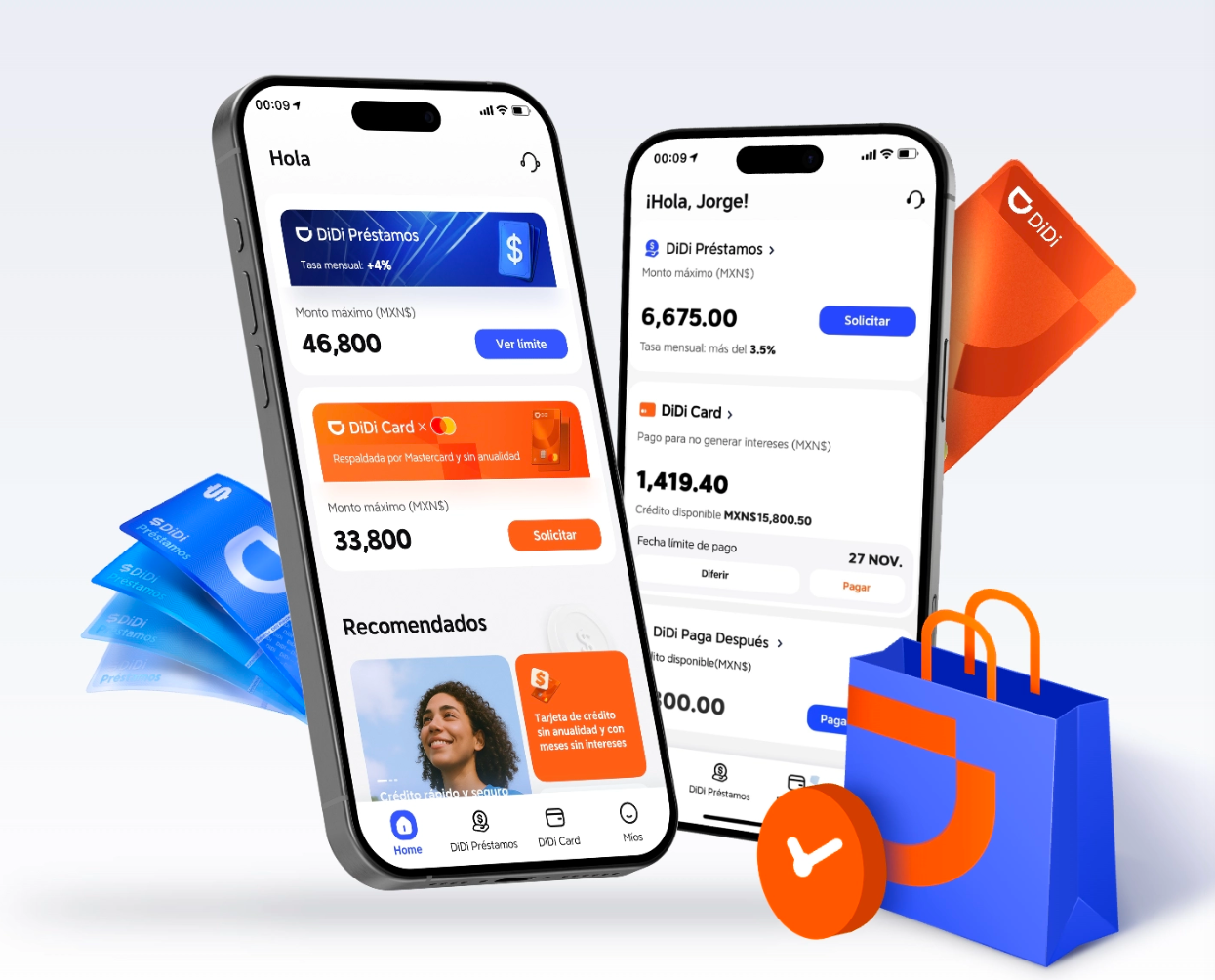
Fast Comparative Snapshot
Think of this like a training warm-up: clear, focused, and honest. DiDi’s “pay later” option is a BNPL-style feature offered through didi finanzas, and it sits between a merchant instalment plan and a traditional credit product. The key differences to track: whether the product reports to a credit bureau, how interest and late fees are applied, and what underwriting or identity checks happen up front. Stay sharp — those distinctions determine risk and future borrowing power.
How DiDi Pay Later Compares with Credit Bureau Reporting
In many markets, credit bureaus like Mexico’s Buró de Crédito collect repayment history that feeds your credit score — lenders use that score for underwriting. DiDi’s structure often feels lighter than a full loan: smaller, short-term instalment plans with mobile-first approval. That can mean faster access and simpler UX. But if the provider reports late payments to a credit bureau, missed instalments will show up on your record and affect future credit access. The technical terms to note here are credit reporting, underwriting, and credit score — they drive long-term consequences.
Practical Security and Data Concerns
Security is twofold: financial exposure and data privacy. Financial exposure includes interest, late fees, and how unpaid balances escalate to collections. Data privacy includes what personal information the app collects and shares with partners or bureaus. DiDi’s systems are built around mobile identity checks and transaction monitoring; that’s industry-standard. Still, read the privacy and credit-reporting clauses closely. You want crystal clarity on whether missed payments get reported to Buró de Crédito or remain internal.
Common Mistakes Users Make — and How to Fix Them
People assume BNPL is “free credit.” That’s a fast way to trip up. Treat instalments like a mini loan: set a budget, confirm the due dates, and schedule payments. Another mistake is ignoring small service fees — they add up. — Also, don’t skip checking whether the product affects your credit score; that’s a long-game error. A quick habit: link the payment method you control, not a temporary card, and monitor transactions weekly.
Alternatives Worth Considering
If you want lower risk, compare three options: a secured bank instalment, a line of credit on your card, or other BNPL providers. Bank instalments often report to credit bureaus predictably and can strengthen credit history when paid on time. Credit cards provide dispute protections and clear statements, but interest can be higher. Other BNPL apps may offer different fee structures or reporting rules — vary them based on transparency and customer service responsiveness.
Real-World Anchor: Context from Mexico City
Residents in Mexico City routinely check Buró de Crédito when weighing finance offers — it’s a practical habit. Local regulators and fintechs have tightened rules in recent years, so many BNPL players now clarify reporting practices up front. That regulatory backdrop matters: if a platform reports to Buró de Crédito, your repayment behavior there will echo across future lending decisions.
Quick Checklist Before You Opt In
Run through this checklist before tapping “accept”: the exact instalment schedule, total cost (including fees), whether late payments are reported to a credit bureau, and dispute resolution channels. Keep your documentation. Track charges. Use the didi finanzas app settings to view terms and receipts — that visibility keeps you in control.
Three Golden Rules for Choosing Pay-Later Tools
1) Confirm reporting behavior — if it reports to a credit bureau, treat it like a formal loan. 2) Calculate true cost — add fees and potential late charges to the principal before deciding. 3) Prioritize transparency — clear terms, easy statements, and responsive support are non-negotiable.
Follow those rules and you’ll use these tools confidently. DiDi’s product can be a convenient bridge — fast approvals and a smooth mobile flow — but the long-term safety comes down to clear terms and disciplined repayment. DiDi Finanzas — smart, accessible finance that fits when you treat it with respect.
—